
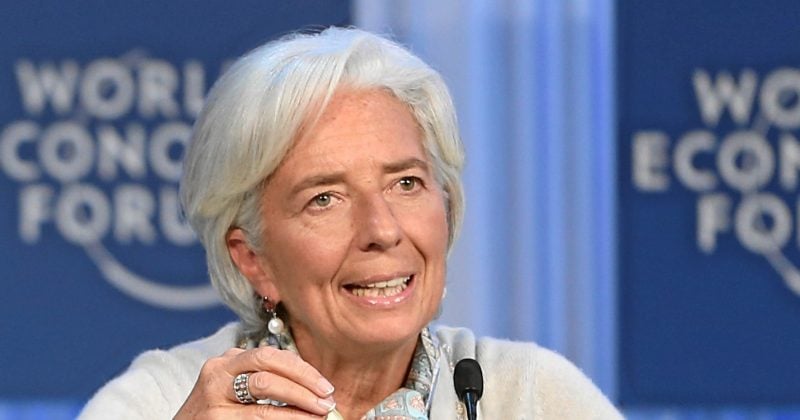
ECB’s Lagarde orders oil and gas price analysis ahead of September rate decision
With Middle East tensions keeping energy markets on edge, the ECB is stress-testing inflation scenarios before its next policy move
Christine Lagarde has directed staff to model out oil and gas price scenarios ahead of the central bank’s next major policy meeting, a signal that energy markets are sitting at the center of Europe’s inflation story right now.
Three roads, one destination: price stability
The ECB’s internal work covers three distinct scenarios for energy prices: baseline, adverse, and severe. Each reflects a different world, largely shaped by what happens in and around the Strait of Hormuz, the narrow chokepoint through which a substantial share of global oil passes.
In the adverse scenario, euro area inflation could climb to somewhere between 3.5% and 4.4%. That would represent a significant problem for a central bank that spent years trying to get inflation up to its 2% target and then spent more years trying to wrestle it back down.
Lagarde confirmed that the ECB raised interest rates by 25 basis points in June, a move directly informed by this kind of energy price analysis amid ongoing unrest in the region.
Why energy markets are driving European monetary policy
Oil prices showed a slight retreat in mid-July, which would normally offer some relief. But the ECB is not simply tracking today’s price. The September meeting projection cycle will incorporate updated 2026 estimates.
Macro, rates, and crypto—what moved markets and what matters next.
Daily. Free. Join 34,000+ readers across crypto, finance, and policy.
As of late June, a September rate hike was already being treated as more likely than not by market participants. The July meeting was widely expected to serve as a monitoring checkpoint rather than an action meeting, with the ECB gathering additional data before making any further moves.
What this means for markets and risk assets
For anyone with exposure to European assets, the ECB’s energy price focus has a direct read-through to portfolio strategy. Higher-than-expected energy prices mean higher inflation, which means more rate hikes, which means tighter financial conditions across the euro area.
The adverse scenario, with inflation potentially reaching 4.4%, would likely force the ECB into a more aggressive tightening posture than markets are currently pricing.
The September meeting is shaping up to be genuinely consequential. The ECB will have updated projections, fresh energy price data, and a clearer read on whether the adverse scenario is materializing or fading.