
Via cnn.com
Turkey’s Erdogan confirms Iraq offered to supply 1 million barrels of oil per day
A decades-old pipeline deal is expiring, and both countries are racing to write the next chapter before the clock runs out
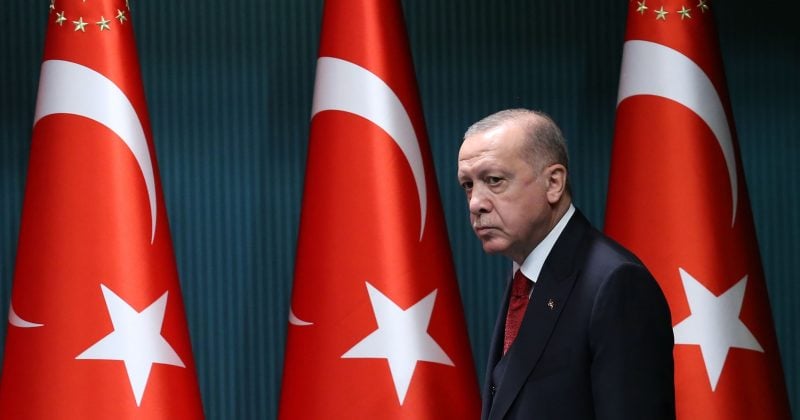
Turkish President Recep Tayyip Erdogan has confirmed that Iraqi Prime Minister Ali al-Zaidi offered to supply Turkey with 1 million barrels of oil per day, a figure that reflects the physical capacity of the aging but strategically critical Kirkuk-Ceyhan pipeline corridor.
The timing here matters. The crude oil pipeline agreement between Turkey and Iraq, originally signed in 1973, is set to expire on July 27, 2026. Turkey has already signaled it will not renew the deal under its current terms.
The pipeline at the center of it all
The Kirkuk-Ceyhan pipeline, also known as the Kirkuk-Yumurtalik pipeline, runs from northern Iraq’s Kirkuk oil fields to Turkey’s Mediterranean port of Ceyhan. Its design capacity has historically been cited at anywhere between 1 million and 1.6 million barrels per day.
Security disruptions, including attacks attributed to ISIS, maintenance backlogs, and long-running contractual disputes between Baghdad and Erbil have repeatedly throttled flows through the line.
Turkish state-owned TPAO, which has a history of energy agreements covering import rights for Iraqi oil, is likely to be central to whatever commercial structure emerges from these talks.
The news moving money, markets, and the world—before your day starts.
Daily. Free. Join 34,000+ readers across crypto, finance, and policy.
What this means for energy markets and regional investors
Iraq is one of OPEC’s largest producers, and any significant change in its export routes or volumes has downstream effects on global supply balances. A fully operational Kirkuk-Ceyhan corridor running closer to capacity would be a meaningful addition to seaborne flows through the Mediterranean.
Turkey’s positioning here reflects a broader strategic pattern. Ankara has worked consistently to establish itself as an indispensable transit hub for energy moving from east to west, a role it plays with Russian gas through TurkStream and with Azerbaijani gas through TANAP.
For investors with exposure to Turkish energy infrastructure or Iraqi upstream assets, a deal that meaningfully expands throughput could boost transit revenues for Turkish state entities and improve export economics for Iraqi producers who currently face constrained routes after the separate suspension of Kurdish Regional Government oil exports through the same pipeline.