
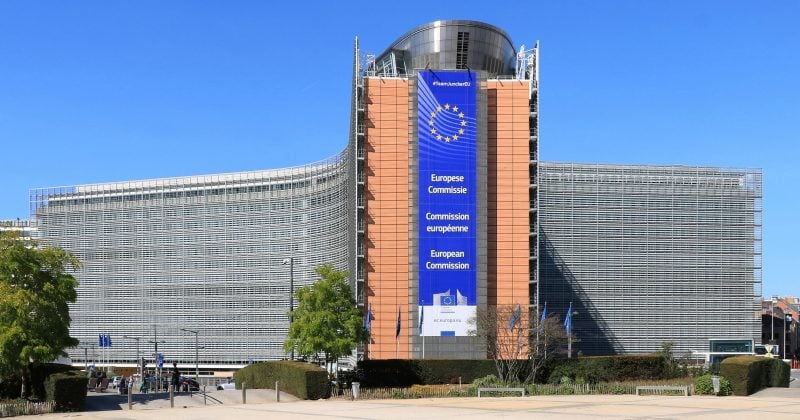
Photo: EmDee / Wikimedia Commons / CC BY-SA 4.0 (https://creativecommons.org/licenses/by-sa/4.0)
European Union rewrites merger rules to boost tech competition
The first overhaul in two decades aims to create 'European champions' capable of rivaling US tech giants, with ripple effects for digital assets and fintech M&A.
The European Commission just did something it hasn’t done since the mid-2000s: rewrite the playbook for how companies are allowed to merge. The draft Merger Guidelines, released on April 30, represent the first systemic update since separate rules for horizontal and non-horizontal mergers were established in 2004 and 2008, respectively.
The updated guidelines shift the Commission’s analytical framework from purely static assessments of market power to a more dynamic evaluation. That means regulators will now weigh innovation potential, investment effects, and future competitive positioning alongside traditional measures like market share.
Particular emphasis falls on digital ecosystems. The draft guidelines carve out specific scrutiny areas including access to data, interoperability between platforms, and the implications of the Digital Markets Act. The DMA, which designated several large platforms as “gatekeepers,” now functions as a companion piece to merger review rather than a standalone regulation.
Additional areas flagged for enhanced review include labor market effects, minority shareholdings, common ownership structures, and vertical or conglomerate effects.
A public consultation ran through June 26, with a stakeholder workshop held on June 10. An economic study on dynamic merger effects is scheduled for release in September, followed by additional workshops. The finalized guidelines are targeted for completion in Q4 2026.
Macro, rates, and crypto—what moved markets and what matters next.
Daily. Free. Join 34,000+ readers across crypto, finance, and policy.
Why crypto and fintech should pay attention
The draft guidelines don’t mention cryptocurrency, blockchain, or digital assets by name. Not once. But the regulatory infrastructure being built around “digital ecosystems” and “data-driven markets” creates implications that fintech and crypto-adjacent firms will find relevant. Any merger involving companies that operate across digital financial services, payment infrastructure, or data aggregation could trigger the new scrutiny mechanisms.
The focus on interoperability is particularly relevant for blockchain-native businesses. If the Commission starts evaluating whether a merged entity could restrict interoperability with competing protocols or platforms, that’s a framework that maps onto concerns about walled-garden exchanges or vertically integrated crypto conglomerates.
What this means for investors
For investors in European tech and fintech, the immediate implication is timeline risk. Merger approvals could take longer as the Commission applies its expanded analytical toolkit. The Commission has explicitly stated that it wants to recognize efficiencies and scale benefits for innovation and global competitiveness.
For crypto-specific investors, mergers involving exchanges, custodians, data providers, and cross-border payment rails are the most likely to attract attention under the new framework. Vertical integration, where a single entity controls multiple layers of the transaction stack, will face scrutiny under the expanded conglomerate effects analysis.
The DMA gatekeeper designation adds another layer. If any crypto-adjacent platform eventually earns gatekeeper status, or if a gatekeeper acquires a crypto business, the merger review process will carry additional regulatory weight.