
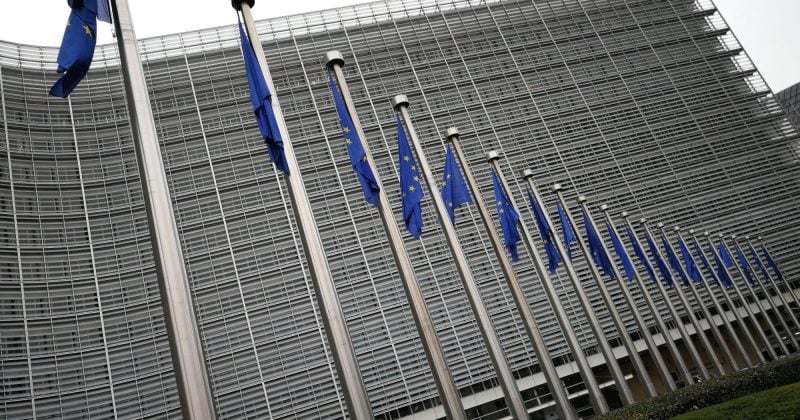
European Union to discuss three scenarios for breaking Russia sanctions deadlock

European Union to discuss three scenarios for breaking Russia sanctions deadlock

Hungary and Slovakia's vetoes over Druzhba pipeline disruptions have frozen sanctions on over 2,700 entities, and the EU is running out of patience.

The European Union is preparing to put three options on the table to break a months-long standoff over Russia sanctions. The deadlock, driven by vetoes from Hungary and Slovakia, has effectively paralyzed the bloc’s ability to pass new measures or renew existing designations against thousands of Russian-linked individuals and entities.

The EU requires unanimity on foreign policy decisions, which means a single holdout can grind the entire machinery to a halt.

The pipeline problem at the heart of the standoff

The impasse traces back to damage sustained by the Druzhba oil pipeline, which halted crude supplies to Hungary and Slovakia after Russian strikes in late January 2026. Hungary responded by vetoing the proposed 20th sanctions package in February, along with an associated financial aid package for Ukraine.

Hungarian Foreign Minister Péter Szijjártó made the calculus explicit: Hungary will block decisions relevant to Kyiv until oil flows resume.

Advertisement

Slovakia joined Hungary’s position by April 2026, tying its own support for any new sanctions to guarantees regarding the pipeline’s restoration.

Over 2,700 individuals and entities have been blocked from having their sanctions renewed, with a critical March 15, 2026 deadline passing without consensus. The EU’s last successful extension of economic sanctions against Russia occurred in June 2026, maintaining existing measures until July 31, 2027.

Three paths forward, none of them easy

The three scenarios under discussion reportedly aim to find some mechanism for circumventing or resolving the unanimity problem. The EU has previously debated alternative decision-making processes for sanctions, including qualified majority voting, but shifting away from unanimity on foreign policy touches a nerve for smaller member states worried about losing their leverage.

The unanimity requirement is baked into EU treaties, and changing it would require unanimous agreement.

What this means for markets and crypto investors

Sanctions on Russia’s energy sector, particularly measures targeting its so-called shadow fleet of tankers, directly influence global oil supply dynamics. When those sanctions stall, it creates uncertainty about future supply restrictions.

The EU’s sanctions infrastructure has become increasingly relevant since the bloc began targeting crypto-related services as part of its Russia response. Any new package, whenever it eventually passes, is likely to include tighter restrictions on digital asset transfers and exchanges facilitating Russian access to global financial markets.

If the EU moves toward qualified majority voting on sanctions, that would represent a fundamental shift in how Europe makes foreign policy decisions, one that could accelerate the pace of future sanctions packages. The current slow, consensus-driven process at least gives traders time to position.

Disclosure: This article was edited by Editorial Team. For more information on how we create and review content, see our Editorial Policy.

European Union to discuss three scenarios for breaking Russia sanctions deadlock

European Union to discuss three scenarios for breaking Russia sanctions deadlock

Hungary and Slovakia's vetoes over Druzhba pipeline disruptions have frozen sanctions on over 2,700 entities, and the EU is running out of patience.

The European Union is preparing to put three options on the table to break a months-long standoff over Russia sanctions. The deadlock, driven by vetoes from Hungary and Slovakia, has effectively paralyzed the bloc’s ability to pass new measures or renew existing designations against thousands of Russian-linked individuals and entities.

The EU requires unanimity on foreign policy decisions, which means a single holdout can grind the entire machinery to a halt.

The pipeline problem at the heart of the standoff

The impasse traces back to damage sustained by the Druzhba oil pipeline, which halted crude supplies to Hungary and Slovakia after Russian strikes in late January 2026. Hungary responded by vetoing the proposed 20th sanctions package in February, along with an associated financial aid package for Ukraine.

Hungarian Foreign Minister Péter Szijjártó made the calculus explicit: Hungary will block decisions relevant to Kyiv until oil flows resume.

Advertisement

Slovakia joined Hungary’s position by April 2026, tying its own support for any new sanctions to guarantees regarding the pipeline’s restoration.

Over 2,700 individuals and entities have been blocked from having their sanctions renewed, with a critical March 15, 2026 deadline passing without consensus. The EU’s last successful extension of economic sanctions against Russia occurred in June 2026, maintaining existing measures until July 31, 2027.

Three paths forward, none of them easy

The three scenarios under discussion reportedly aim to find some mechanism for circumventing or resolving the unanimity problem. The EU has previously debated alternative decision-making processes for sanctions, including qualified majority voting, but shifting away from unanimity on foreign policy touches a nerve for smaller member states worried about losing their leverage.

The unanimity requirement is baked into EU treaties, and changing it would require unanimous agreement.

What this means for markets and crypto investors

Sanctions on Russia’s energy sector, particularly measures targeting its so-called shadow fleet of tankers, directly influence global oil supply dynamics. When those sanctions stall, it creates uncertainty about future supply restrictions.

The EU’s sanctions infrastructure has become increasingly relevant since the bloc began targeting crypto-related services as part of its Russia response. Any new package, whenever it eventually passes, is likely to include tighter restrictions on digital asset transfers and exchanges facilitating Russian access to global financial markets.

If the EU moves toward qualified majority voting on sanctions, that would represent a fundamental shift in how Europe makes foreign policy decisions, one that could accelerate the pace of future sanctions packages. The current slow, consensus-driven process at least gives traders time to position.

Disclosure: This article was edited by Editorial Team. For more information on how we create and review content, see our Editorial Policy.