EU sanctions Iranian judges and cyber group founder, raising fresh questions about digital enforcement
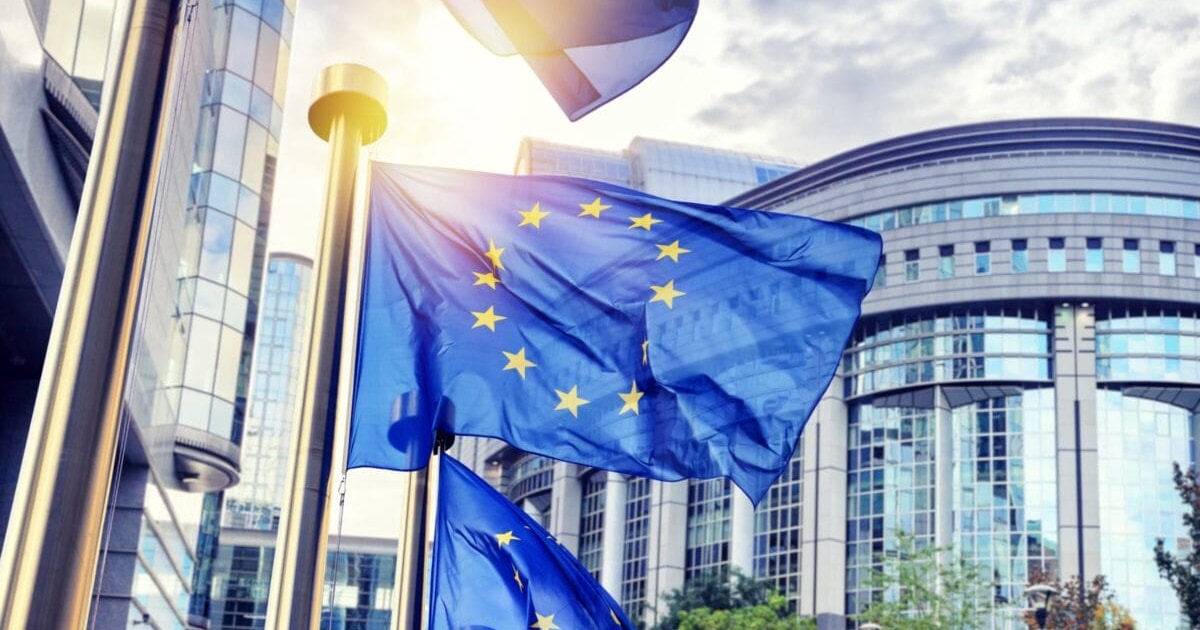
The European Union targeted five Revolutionary Court judges and the founder of the Ashiyane cyber group over human rights abuses, adding another layer to the West's expanding sanctions architecture against Iran.
The European Union slapped sanctions on five Iranian judges and the founder of one of Iran’s most prominent cyber groups on July 24, 2026. The move targets individuals tied to politically motivated death sentences, imprisonment of dissidents, and state-backed cyber operations against domestic opponents.
Who got sanctioned and why
The five judges all served in regional Revolutionary courts across Iran. Their courtrooms produced death sentences, lengthy prison terms, flogging orders, and financial penalties against political dissidents. Among those subjected to these politically motivated trials: Nobel Peace Prize laureate Narges Mohammadi.
Then there’s Nima Salehi, the founder of the Ashiyane Digital Security group. The Ashiyane group has carried out cyber-attacks against domestic political opponents and coordinates with Iran’s Cyber Police, known as FATA, as well as the Islamic Revolutionary Guard Corps. In English: this is a state-aligned hacking operation with formal ties to Iran’s security apparatus.
The sanctions package includes asset freezes and travel bans, standard tools in the EU’s human rights enforcement toolkit.
A pattern, not a one-off
This isn’t the EU suddenly discovering Iran’s human rights record. It’s the latest installment in an escalating campaign. Back in March 2026, Brussels had already sanctioned additional members of Iran’s judiciary along with an Iranian IT and surveillance entity.
Macro, rates, and crypto—what moved markets and what matters next.
Daily. Free. Join 34,000+ readers across crypto, finance, and policy.
The Ashiyane designation is particularly notable because it targets a cyber group founder rather than a traditional government official. That signals the EU is increasingly willing to go after the digital infrastructure of authoritarian regimes, not just the bureaucrats who sign the orders.
What this means for crypto and digital finance
The EU’s latest designations don’t mention cryptocurrency explicitly. But when the EU freezes assets of individuals connected to the IRGC and state-backed cyber operations, it creates downstream obligations for every regulated financial entity in Europe, including the growing number of crypto firms operating under MiCA, the EU’s Markets in Crypto-Assets regulation.
Any exchange or payment processor handling euro-denominated transactions now has six more names to screen against. And because Salehi’s background is explicitly in digital security and cyber operations, compliance teams will likely treat any wallet or transaction chain associated with Ashiyane-linked infrastructure as high-risk.
Disclosure: This article was edited by Editorial Team. For more information on how we create and review content, see our Editorial Policy.