
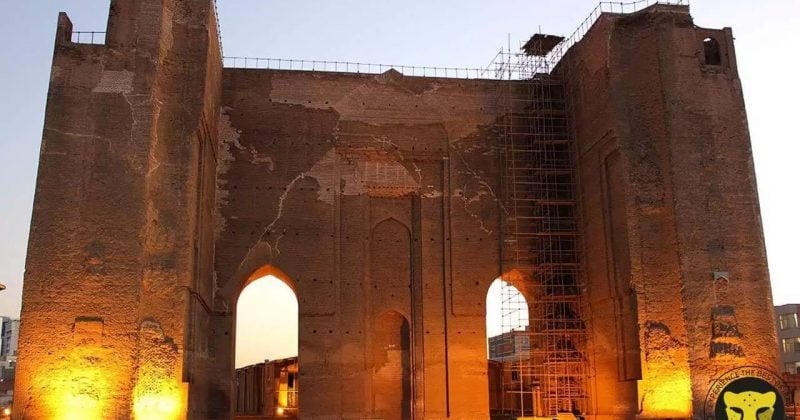
Explosions rock Iran’s Tabriz as crypto markets shrug off geopolitical tremors
Multiple blasts reported across Iranian cities while Bitcoin holds near $63,800 and Iran quietly executes a $10M crypto import deal
Witnesses reported multiple explosions in Tabriz, Iran’s major northwestern industrial city, part of a broader wave of blasts also reported in Tehran and Isfahan around mid-July 2026. The cause of the explosions has not been confirmed by Iranian authorities, and the US military denied any involvement in strikes on Iranian territory.
Tabriz is one of Iran’s most significant industrial hubs, home to heavy manufacturing, refining infrastructure, and a meaningful share of the country’s mining activity.
What happened on the ground
Reports placed the explosions across multiple Iranian cities between July 15 and 19, 2026, with Tabriz drawing the most witness accounts. Iranian state media acknowledged the blasts but stopped short of attributing them to any specific cause or confirming targeted sites.
Separately, a pattern of explosions was also reported at southern Iranian locations, including the port of Bandar Abbas and sites near Bushehr, which houses nuclear-related infrastructure.
Iranian authorities have not confirmed casualty figures, no facilities have been officially named as damaged, and no group has claimed responsibility in a manner that has been independently verified.
Iran’s crypto angle is bigger than it looks
Iran has spent years building out a Bitcoin mining industry specifically because its subsidized electricity costs make the economics attractive, even under the weight of international sanctions. Tabriz sits in the middle of that equation.
The news moving money, markets, and the world—before your day starts.
Daily. Free. Join 34,000+ readers across crypto, finance, and policy.
No confirmed losses to mining facilities in the Tabriz region have been documented from these incidents. A significant disruption to Iranian mining capacity would, at least at the margins, affect global Bitcoin hashrate.
Running parallel to the explosions: Iran reportedly completed its first known import transaction using approximately $10 million in digital assets. The specific cryptocurrency used was not named in the reports, but the transaction marks a notable escalation in how sanctioned economies are using digital rails to move value across borders.
Markets barely blinked
Bitcoin was trading near $63,800 during the period when the explosions were being reported, with intraday volatility of approximately 0.3%. Ether held steady around $1,800.
What investors should actually be watching is the hashrate data. If Tabriz mining operations sustain damage that goes unreported initially but shows up later in network statistics, that would be the lagging indicator worth tracking.
A documented $10 million crypto import transaction by a sanctioned state gives regulators in the US, EU, and UK concrete evidence to point to when arguing for stricter crypto compliance requirements. Exchanges operating in those jurisdictions should expect renewed pressure around know-your-customer protocols for transactions that touch wallets linked to sanctioned regions.