
Markets price 93% chance of Fed rate hike today

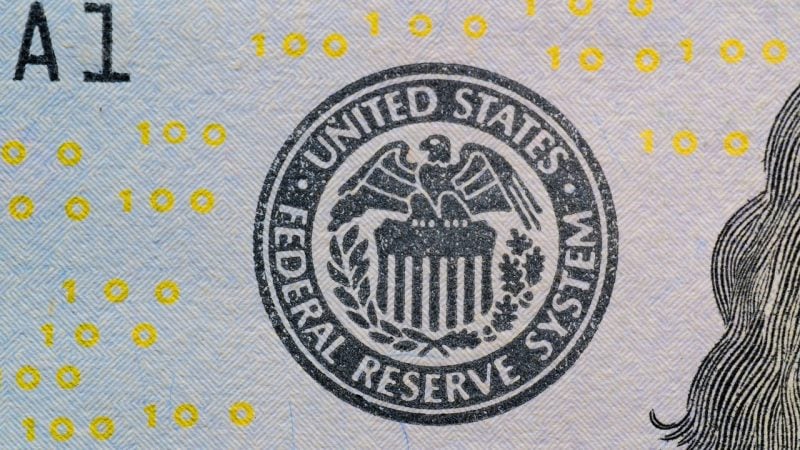
Photo: Đào Thân / Pexels

Markets price 93% chance of Fed rate hike today

The anticipated 25-basis-point increase would be the first tightening under Chair Kevin Warsh.

The Federal Reserve appears poised to do something it hasn’t done in over three years: raise interest rates. CME FedWatch and interest‑rate swaps markets are assigning a roughly 90–94% probability to a 25‑basis‑point hike at today’s FOMC meeting, a dramatic shift from well below 90% earlier in August.

If the Fed follows through, the federal funds target range would climb to 3.75%-4.00%. That would mark a sharp reversal for a central bank that spent the past several years methodically cutting rates, delivering six reductions totaling 175 basis points since its last hike in July 2023.

What changed so fast

Inflation remains stubbornly above the Fed’s 2% target. Oil prices have surged past $100 per barrel, fueled by escalating US-Iran geopolitical tensions that have squeezed global energy supply.

Chair Kevin Warsh’s remarks at the Jackson Hole symposium in late August carried a distinctly hawkish tone, with markets reading his assessment of resilient conditions and “work to do” on inflation as a clear signal that the next move would be upward.

Resilient employment data has undercut any argument that the economy needs continued monetary support.

Advertisement

Bond markets are already feeling it

The 10‑year Treasury yield has breached 5%, a level last seen in 2023 and approaching highs not touched since 2007.

The dollar has strengthened against major currencies in tandem, a natural byproduct of higher rate expectations drawing capital into US-denominated assets.

Morgan Stanley, Goldman Sachs, Deutsche Bank, and JPMorgan have all revised their outlooks to incorporate the anticipated hike, with several expecting at least one more increase in December and total 2026 tightening of 50–75 basis points.

The FOMC is expected to release updated economic projections and a fresh dot plot. If those dots skew higher, it would confirm that today’s hike is the beginning of a new tightening cycle rather than a one-off adjustment.

The Warsh era takes shape

This would be the first rate increase under Kevin Warsh’s tenure as Fed Chair. The Fed spent years navigating a delicate easing cycle, carefully lowering rates from the restrictive levels that followed the post-pandemic inflation surge. Pivoting back to hikes after six consecutive cuts signals that policymakers believe they eased too far, too fast, or that new inflationary pressures have emerged that require a firm response.

What investors should watch next

The real action will be in the accompanying statement, Warsh’s press conference, and those updated projections.

Fixed income investors face the most immediate pressure. Higher rates push bond prices lower, and with the 10-year yield already at multi-year highs, corporate credit spreads could widen as borrowing costs rise, particularly for highly leveraged companies that locked in lower rates during the easing cycle.

Higher discount rates compress valuations mechanically, hitting growth stocks and long-duration assets hardest. Sectors that benefit from higher rates, like banking, could see relative strength, while rate-sensitive areas such as real estate and utilities face headwinds.

For consumers, mortgage rates, auto loans, and credit card costs all track the Fed’s benchmark, either directly or indirectly.

Disclosure: This article was edited by Editorial Team. For more information on how we create and review content, see our Editorial Policy.
Markets price 93% chance of Fed rate hike today

The anticipated 25-basis-point increase would be the first tightening under Chair Kevin Warsh.

Share

Add us on Google

Photo: Đào Thân / Pexels

The Federal Reserve appears poised to do something it hasn’t done in over three years: raise interest rates. CME FedWatch and interest‑rate swaps markets are assigning a roughly 90–94% probability to a 25‑basis‑point hike at today’s FOMC meeting, a dramatic shift from well below 90% earlier in August.

If the Fed follows through, the federal funds target range would climb to 3.75%-4.00%. That would mark a sharp reversal for a central bank that spent the past several years methodically cutting rates, delivering six reductions totaling 175 basis points since its last hike in July 2023.

What changed so fast

Inflation remains stubbornly above the Fed’s 2% target. Oil prices have surged past $100 per barrel, fueled by escalating US-Iran geopolitical tensions that have squeezed global energy supply.

Chair Kevin Warsh’s remarks at the Jackson Hole symposium in late August carried a distinctly hawkish tone, with markets reading his assessment of resilient conditions and “work to do” on inflation as a clear signal that the next move would be upward.

Resilient employment data has undercut any argument that the economy needs continued monetary support.

Advertisement

Bond markets are already feeling it

The 10‑year Treasury yield has breached 5%, a level last seen in 2023 and approaching highs not touched since 2007.

The dollar has strengthened against major currencies in tandem, a natural byproduct of higher rate expectations drawing capital into US-denominated assets.

Morgan Stanley, Goldman Sachs, Deutsche Bank, and JPMorgan have all revised their outlooks to incorporate the anticipated hike, with several expecting at least one more increase in December and total 2026 tightening of 50–75 basis points.

The FOMC is expected to release updated economic projections and a fresh dot plot. If those dots skew higher, it would confirm that today’s hike is the beginning of a new tightening cycle rather than a one-off adjustment.

The Warsh era takes shape

This would be the first rate increase under Kevin Warsh’s tenure as Fed Chair. The Fed spent years navigating a delicate easing cycle, carefully lowering rates from the restrictive levels that followed the post-pandemic inflation surge. Pivoting back to hikes after six consecutive cuts signals that policymakers believe they eased too far, too fast, or that new inflationary pressures have emerged that require a firm response.

What investors should watch next

The real action will be in the accompanying statement, Warsh’s press conference, and those updated projections.

Fixed income investors face the most immediate pressure. Higher rates push bond prices lower, and with the 10-year yield already at multi-year highs, corporate credit spreads could widen as borrowing costs rise, particularly for highly leveraged companies that locked in lower rates during the easing cycle.

Higher discount rates compress valuations mechanically, hitting growth stocks and long-duration assets hardest. Sectors that benefit from higher rates, like banking, could see relative strength, while rate-sensitive areas such as real estate and utilities face headwinds.

For consumers, mortgage rates, auto loans, and credit card costs all track the Fed’s benchmark, either directly or indirectly.

Disclosure: This article was edited by Editorial Team. For more information on how we create and review content, see our Editorial Policy.