
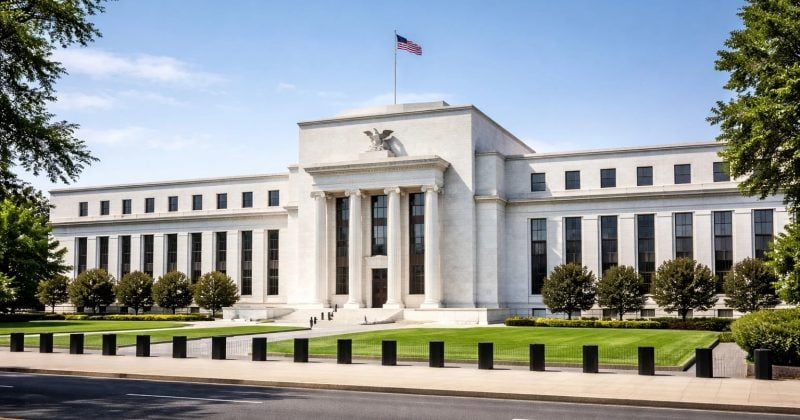
Federal Reserve faces investor uncertainty ahead of policy decision as Warsh embraces ambiguity
The new Fed chair wants markets guessing, and it's working
Kevin Warsh doesn’t want you to know what he’s going to do. And that, apparently, is the whole point.
The Federal Reserve chair, confirmed in May 2026 after a Senate vote backed largely by Republicans, has made “constructive ambiguity” his unofficial motto heading into the July 28-29 FOMC meeting. With the federal funds rate sitting at 3.5%-3.75% and markets pricing in roughly a one-in-three chance of a rate hike, Warsh seems perfectly content letting investors sweat.
The end of hand-holding
His approach marks a sharp departure from the forward guidance era that defined post-2008 monetary policy. Instead of telegraphing rate moves months in advance, Warsh prefers a flexible, data-dependent framework that refuses to pre-commit to any particular rate path.
His first FOMC meeting as chair in June 2026 offered a preview of this philosophy. Rates stayed unchanged, but the real story was what happened behind closed doors. Warsh himself described internal divisions as a “family fight,” with dissenting votes revealing that not everyone at the table agrees on where policy should head next.
He also shortened the standard policy statement significantly, stripping away the kind of elaborate language markets had grown accustomed to parsing.
The inflation problem that won’t quit
Warsh is operating in an environment where core inflation remains stubbornly elevated at around 3.8% year-on-year, well above the Fed’s 2% target.
The news moving money, markets, and the world—before your day starts.
Daily. Free. Join 34,000+ readers across crypto, finance, and policy.
Warsh has been blunt about his priorities. In recent testimony, he articulated a “no tolerance for persistently elevated inflation” stance.
The Fed’s balance sheet, still hovering above $6.5 trillion, adds another variable. Quantitative tightening remains a background force, quietly draining liquidity from markets.
What this means for crypto investors
Warsh has an interesting relationship with the crypto industry. He’s recognized Bitcoin for its innovative potential and is generally considered pro-crypto in his outlook. But he has firmly stated that the Fed will not bail out crypto assets or stablecoins during crises.
That stance carries real weight as the regulatory landscape evolves. Initiatives like the GENIUS Act are reshaping how stablecoins and digital assets interact with the broader financial system.
The 33% probability markets assign to a rate hike at the upcoming meeting might not sound dramatic, but consider the context. A year ago, almost nobody was pricing in the possibility that rates could go higher again.
The internal dissent within the FOMC adds yet another layer of unpredictability. When Fed governors are publicly disagreeing, it signals that the institution itself isn’t sure which direction to go.