
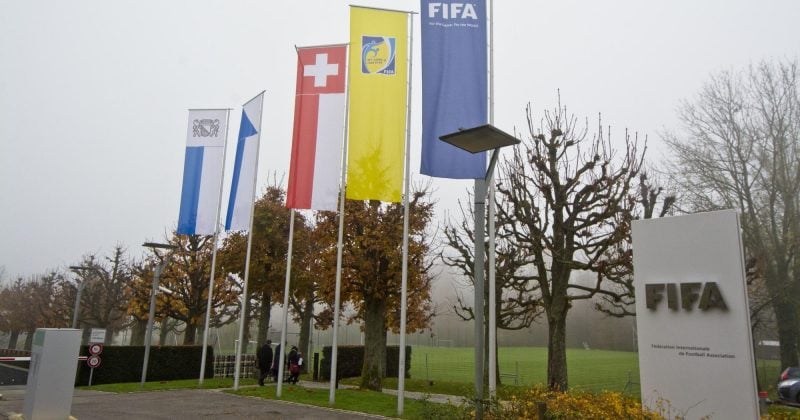
Via tripadvisor.com
FIFA backs down from $20B investment plan amid criticism from confederations
The world's governing football body shelves its commercial subsidiary plan after boycott threats from UEFA and other major confederations
FIFA’s grand plan to create a $20B commercial subsidiary just hit a wall made of its own member organizations. After announcing FIFA Forward Enterprise, a new entity designed to manage World Cup commercial operations and attract private capital, the governing body has effectively shelved the initiative following fierce pushback from some of the sport’s most powerful confederations.
What FIFA was trying to do
FIFA wanted to create a commercial subsidiary called FIFA Forward Enterprise, valued at $20B, that would handle commercial and event operations for the World Cup and other competitions.
FIFA intended to retain majority control while selling a minority stake of up to 20% to private investors. That 20% was expected to raise roughly $4.2B in fresh capital.
J.P. Morgan was tapped to facilitate the investment. Thrive Eternal, led by Joshua Kushner, was expected to lead the investor group on the buy side.
The proceeds were earmarked for development funding across FIFA’s 211 member associations, including infrastructure upgrades, coaching programs, and investment in women’s football.
Why it fell apart
UEFA, CONCACAF, and the Asian Football Confederation led the opposition. Their concerns centered on governance, specifically the worry that a private-equity-backed subsidiary would shift power away from confederations and toward FIFA’s leadership in Zurich.
The news moving money, markets, and the world—before your day starts.
Daily. Free. Join 34,000+ readers across crypto, finance, and policy.
Multiple confederations floated boycott threats against future FIFA events. Carlos Cordeiro, a senior FIFA adviser, resigned in protest against the proposed plan.
FIFA ultimately declared it would not proceed with FFE without majority approval from its member associations.
The crypto angle hiding in plain sight
FIFA’s FFE plan had zero connection to cryptocurrency, blockchain, or tokens. Not a single reference surfaced during the discussions.
According to Chainalysis, the 2026 World Cup could generate an estimated $20B in on-chain prediction market activity. That figure is entirely separate from FIFA’s capital-raising efforts.
FIFA couldn’t convince its own stakeholders to accept $4.2B in private investment through traditional finance channels. Meanwhile, crypto-native platforms may facilitate multiples of that amount in prediction market volume around the same events, without needing anyone’s permission.