
FIFA World Cup smashes attendance record with 6.7 million fans, but crypto sits on the bench
The 2026 tournament nearly doubled the previous all-time record, yet the massive economic windfall bypassed digital assets entirely
The 2026 FIFA World Cup drew 6,730,303 spectators across its expanded 48-team tournament, nearly doubling the previous all-time record of roughly 3.59 million set during the 1994 edition. Co-hosted by the United States, Mexico, and Canada, the tournament proved that live soccer still commands an audience that most entertainment categories can only dream about.
The numbers behind the record
The old benchmark belonged to the 1994 World Cup, which was also held in the United States. That tournament attracted approximately 3,587,538 fans. The record was technically broken on June 25, 2026, when cumulative group stage attendance hit 3,605,357, surpassing the 1994 total before the knockout rounds had even started. By the end of the group stage’s 72 matches, 4,644,549 spectators had passed through the turnstiles.
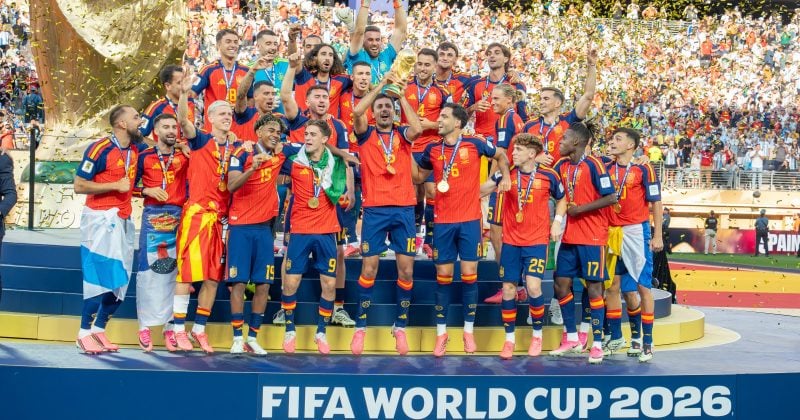
The final tally landed at 6,730,303, with figures reportedly exceeding 6.8 million by mid-to-late July as the tournament reached its conclusion. Spain ultimately lifted the trophy.
Billions in economic impact, zero blockchain involvement
The 2026 World Cup generated billions for host regions across all three countries. For context, the 2022 World Cup in Qatar reportedly generated over $6B in direct spending for the host nation.
Despite the crypto industry’s aggressive courtship of sports over the past several years, from stadium naming rights to fan token partnerships, the 2026 World Cup saw no meaningful integration with digital assets or blockchain technology. No major fan token saw a sustained bump. No NFT ticketing initiative grabbed headlines. No crypto exchange landed a visible sponsorship that moved the needle. The economic bonanza remained firmly within traditional channels: ticket sales, broadcasting rights, merchandise, and hospitality.
The news moving money, markets, and the world—before your day starts.
Daily. Free. Join 34,000+ readers across crypto, finance, and policy.
This is a stark contrast to the 2022 cycle, when Crypto.com’s arena deal in Los Angeles was still fresh, FTX was plastered across sports venues, and fan tokens from platforms like Socios were being pitched as the future of supporter engagement. Most of those partnerships have since collapsed, been quietly unwound, or faded into irrelevance.
What this means for crypto and sports economics
The implosion of FTX, the regulatory crackdowns on fan tokens in multiple jurisdictions, and the general post-2022 hangover have made sports organizations cautious about crypto partnerships. FIFA itself has moved toward more traditional sponsors for this cycle, and the result was a tournament that broke every attendance record without a single blockchain-related headline.
Fan tokens, which were supposed to give supporters governance-like participation in their clubs, have largely traded like low-liquidity meme coins. NFT ticketing, while technically interesting, hasn’t displaced Ticketmaster or any legacy provider at scale.