
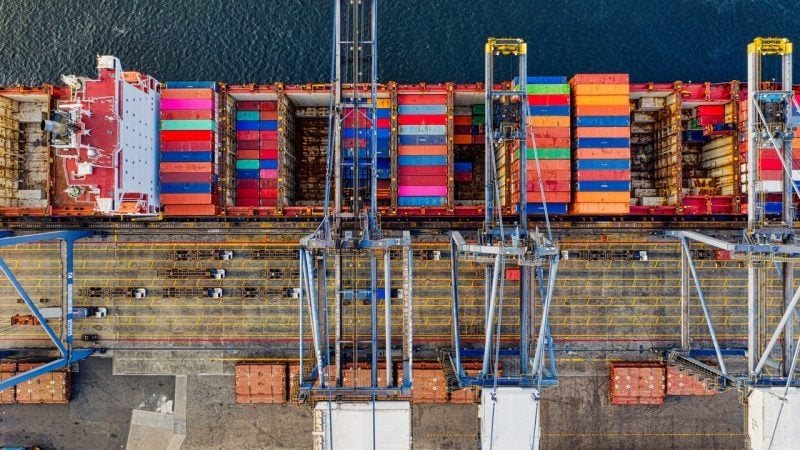
Photo: Tom Fisk / Pexels
France drafts UN resolution for international mission to restore Hormuz shipping
Paris threads the diplomatic needle with a Security Council proposal that avoids blaming either Iran or Washington for the strait's disruption
France is preparing a United Nations Security Council resolution to establish a multinational mission restoring freedom of navigation through the Strait of Hormuz, threading one of the trickiest diplomatic needles in recent memory by declining to point fingers at either Tehran or Washington.
The initiative, confirmed by French diplomatic sources on September 22, 2026, represents a significant pivot in international strategy after months of failed attempts to address Iranian disruptions in one of the world’s most strategically vital waterways. Roughly 20% of the world’s oil transits the strait, making any blockage a problem that ripples through energy markets, supply chains, and treasury departments from Tokyo to Houston.
A lesson learned from April’s veto
France’s approach didn’t materialize in a vacuum. It follows the wreckage of a more confrontational attempt led by Bahrain, whose draft resolution (S/2026/273) was vetoed by Russia and China on April 7, 2026. That text took a harder line, and predictably ran into the brick wall of Security Council power dynamics.
France had supported the Bahrain-led draft at the time and publicly expressed disappointment when it was blocked. The new French resolution reads like a diplomatic course correction: it omits direct references to Iran, avoids invoking Chapter VII of the UN Charter, and instead frames everything around navigational rights under international law.
In practice, the resolution leans on the principles of the United Nations Convention on the Law of the Sea, or UNCLOS.
Macro, rates, and crypto—what moved markets and what matters next.
Daily. Free. Join 34,000+ readers across crypto, finance, and policy.
France’s earlier draft from March 2026 had already hinted at this softer approach. That version also avoided naming Iran directly and promoted a cessation of hostilities in surrounding waters rather than demanding punitive action. The September draft builds on that foundation, adding the multinational mission component.
What the mission would actually look like
The envisioned operation would be strictly defensive. France and the UK are co-championing the concept, which could include maritime escorts for commercial vessels and mine clearance operations in the strait’s shipping lanes.
Deployment would be contingent on two prerequisites: a ceasefire in the broader region and consultations with key stakeholders, including Iran.
France is coordinating the effort with the United States and other partners, according to the diplomatic sources.
Since late February 2026, Iranian actions have effectively blocked passages through the Strait of Hormuz, sparking international demands for its unconditional reopening without tolls or restrictions.