
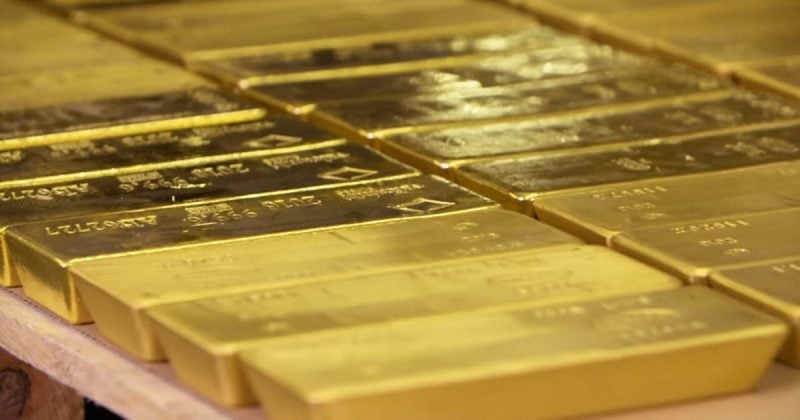
Gold holds above $4,000 amid ongoing Middle East violence
Geopolitical pressure keeps gold pinned near a key psychological level while tokenized gold products quietly cross $3B in combined market cap


Gold held above $4,000 on Monday as escalating conflict between the US and Iran supported safe haven demand but rising oil prices strengthened expectations that the Federal Reserve may need to raise interest rates.
August gold futures opened at $4,005.60 per ounce, down 0.3% from Friday’s close, before recovering toward $4,019. Spot gold traded near $4,014 during the session.
The limited rebound showed how the conflict is creating opposing pressures for the precious metal. Military escalation normally supports gold, but disruption to energy markets is raising inflation expectations and pushing bond yields and the dollar higher.
Oil briefly climbed above $90 per barrel after the US carried out a ninth consecutive night of strikes against Iranian targets. Shipping traffic through the Strait of Hormuz remained severely restricted, with only four vessels crossing the waterway on Sunday.
Two US service members were killed during Iranian attacks in Jordan, while another soldier died following the detonation of an Iranian drone in Iraq. The deaths intensified the conflict and prompted further US strikes.
Secretary of State Marco Rubio said Washington remained open to diplomacy but maintained that Iran must end attacks around the Strait of Hormuz. The disruption has restricted oil flows and helped push the average US gasoline price back above $4 per gallon.
Macro, rates, and crypto—what moved markets and what matters next.
Daily. Free. Join 34,000+ readers across crypto, finance, and policy.
Higher fuel costs threaten to reverse recent progress on inflation. That could force the Fed to maintain elevated rates or resume increases, reducing the appeal of gold because the metal does not generate interest.
Cleveland Fed President Beth Hammack recently indicated that rates may need to rise to contain inflation. Traders now assign an 83% probability that the Fed will raise rates by December, according to CME FedWatch data cited by Reuters.
Gold fell about 2.6% last week as the surge in oil prices strengthened rate expectations. The metal has declined around 4% over the past month but remains approximately 18% higher than a year ago.
The decline marks a sharp reversal from gold’s record run earlier this year. Prices reached an all time high above $5,600 in January before falling as persistent inflation and tighter monetary policy expectations outweighed demand for protection from geopolitical risk.
Gold is now caught between two consequences of the same conflict. Continued military escalation may increase demand for defensive assets, but further disruption to oil supplies could keep inflation and interest rates elevated, limiting the metal’s ability to sustain a broader recovery.