
Gold steadies as traders weigh inflation risks against Fed rate hike fallout

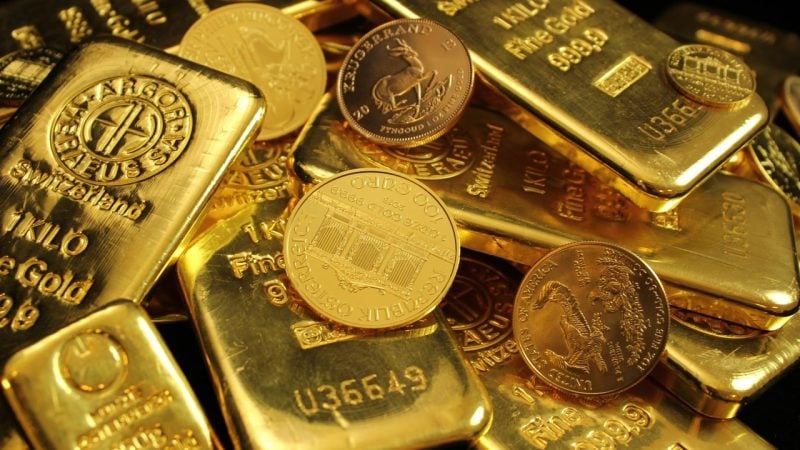
Photo: Zlaťáky.cz / Pexels

Gold steadies as traders weigh inflation risks against Fed rate hike fallout

The metal dipped to a six-week low before bouncing back, as investors try to read a Fed that isn't done tightening yet.

Gold has a well-earned reputation for being difficult to predict, and the days following the Federal Reserve’s September 16 rate decision did nothing to change that. The Fed raised its benchmark federal funds rate by 25 basis points, pushing the target range to 3.75–4.00%, and gold’s immediate response was to fall. Then, almost immediately, it changed its mind.

The metal dropped to a near six-week low of $4,235 per ounce right after the announcement, only to rebound almost 2% the following session, climbing back to roughly $4,340 as Treasury yields eased and oil prices pulled back.

What the Fed actually said

The rate hike was unanimous, which in Fed terms is about as decisive as it gets. Chair Kevin Warsh framed the decision in direct terms, stating that “inflation is too high and has been for too long.”

Advertisement

The Fed’s updated projections added fuel to the fire. The committee signaled at least one more rate increase before the end of 2026 and raised its median inflation forecast, measured by the Personal Consumption Expenditures index, to 3.7%.

This hike was the first in three years, which is worth pausing on.

The inflation data that set the stage

August’s Consumer Price Index print did a lot of the pre-work for this decision. Headline CPI rose 0.4% month-over-month and registered a 3.4% annual increase, numbers that left the Fed with little political cover to hold rates steady.

Yet gold has refused to collapse. The year’s earlier peak sat near $5,600 per ounce, and while current prices around $4,200–$4,350 represent a significant retreat from that level, the metal has held a floor that many expected rate hikes to punch through.

Geopolitical tensions in the Middle East have kept energy markets jittery, which feeds directly into inflation expectations. When oil pulled back in the sessions after the Fed decision, it gave gold room to breathe.

What traders are watching now

The Fed’s own projections suggest at least one more hike before year-end, which keeps the pressure on. For now, gold is trading in a zone of $4,200–$4,350 that reflects genuine uncertainty rather than conviction in either direction. Bulls point to persistent inflation, geopolitical risk, and the possibility that real yields have limited room to climb further. Bears point to a Fed that just raised rates unanimously and told you it plans to do it again.

Disclosure: This article was edited by Editorial Team. For more information on how we create and review content, see our Editorial Policy.
Gold steadies as traders weigh inflation risks against Fed rate hike fallout

The metal dipped to a six-week low before bouncing back, as investors try to read a Fed that isn't done tightening yet.

Photo: Zlaťáky.cz / Pexels

Gold has a well-earned reputation for being difficult to predict, and the days following the Federal Reserve’s September 16 rate decision did nothing to change that. The Fed raised its benchmark federal funds rate by 25 basis points, pushing the target range to 3.75–4.00%, and gold’s immediate response was to fall. Then, almost immediately, it changed its mind.

The metal dropped to a near six-week low of $4,235 per ounce right after the announcement, only to rebound almost 2% the following session, climbing back to roughly $4,340 as Treasury yields eased and oil prices pulled back.

What the Fed actually said

The rate hike was unanimous, which in Fed terms is about as decisive as it gets. Chair Kevin Warsh framed the decision in direct terms, stating that “inflation is too high and has been for too long.”

Advertisement

The Fed’s updated projections added fuel to the fire. The committee signaled at least one more rate increase before the end of 2026 and raised its median inflation forecast, measured by the Personal Consumption Expenditures index, to 3.7%.

This hike was the first in three years, which is worth pausing on.

The inflation data that set the stage

August’s Consumer Price Index print did a lot of the pre-work for this decision. Headline CPI rose 0.4% month-over-month and registered a 3.4% annual increase, numbers that left the Fed with little political cover to hold rates steady.

Yet gold has refused to collapse. The year’s earlier peak sat near $5,600 per ounce, and while current prices around $4,200–$4,350 represent a significant retreat from that level, the metal has held a floor that many expected rate hikes to punch through.

Geopolitical tensions in the Middle East have kept energy markets jittery, which feeds directly into inflation expectations. When oil pulled back in the sessions after the Fed decision, it gave gold room to breathe.

What traders are watching now

The Fed’s own projections suggest at least one more hike before year-end, which keeps the pressure on. For now, gold is trading in a zone of $4,200–$4,350 that reflects genuine uncertainty rather than conviction in either direction. Bulls point to persistent inflation, geopolitical risk, and the possibility that real yields have limited room to climb further. Bears point to a Fed that just raised rates unanimously and told you it plans to do it again.

Disclosure: This article was edited by Editorial Team. For more information on how we create and review content, see our Editorial Policy.