
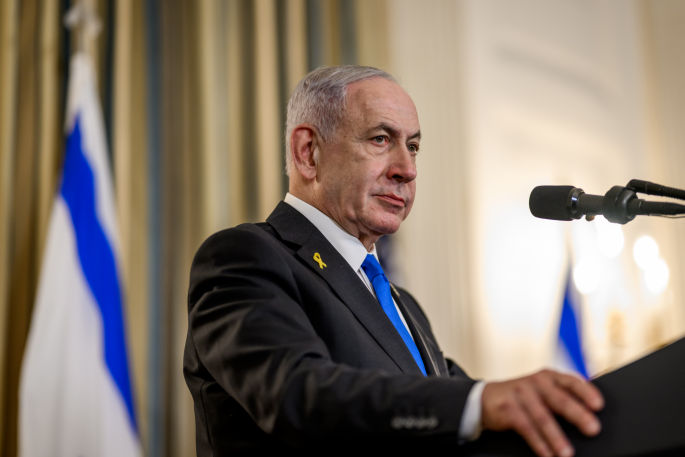
Hamas denounces Netanyahu’s UN speech as ‘rife with lies’ amid rising tensions

The White House

Hamas denounces Netanyahu’s UN speech as ‘rife with lies’ amid rising tensions

Recognition of palestine before 2027

In a recent statement, Hamas has strongly criticized Israeli Prime Minister Benjamin Netanyahu’s speech at the United Nations, describing it as filled with falsehoods. During his speech, Netanyahu addressed the ongoing conflict involving Israel, Hamas, and the broader region, emphasizing the violence in the West Bank and the threat posed by Iran. Hamas warned against Netanyahu’s claims concerning the Palestinian existence and ongoing violence in the region. This denunciation comes amid heightened tensions in the Israel–Hamas conflict, which has seen continued military operations in Gaza and stalled diplomatic efforts.

Advertisement

Key Takeaways

  • Hamas’s response to Netanyahu’s UN speech appears to reflect heightened tensions, which could indicate a decrease in the likelihood of diplomatic progress.
  • Market pricing suggests a decreased probability of US recognition of Palestine before 2027, consistent with increased opposition from Israeli officials.
  • The current geopolitical climate, marked by ongoing conflict and regional instability, appears to be impacting predictions of international recognition of Palestinian statehood.

What to Watch

Observers should monitor statements from key actors such as the US State Department and European Union, as these could influence market perceptions regarding the recognition of Palestine. Changes in diplomatic activity or significant developments in the Israel–Hamas conflict may further affect market pricing. Additionally, any shifts in US policy or international diplomatic efforts related to the conflict could provide strong indicators of future market movements.

Get live prediction-market analysis, powered by Vera. Sign up for Vera.

Disclosure: This article was edited by Estefano Gomez. For more information on how we create and review content, see our Editorial Policy.
Hamas denounces Netanyahu’s UN speech as ‘rife with lies’ amid rising tensions

Recognition of palestine before 2027

The White House

In a recent statement, Hamas has strongly criticized Israeli Prime Minister Benjamin Netanyahu’s speech at the United Nations, describing it as filled with falsehoods. During his speech, Netanyahu addressed the ongoing conflict involving Israel, Hamas, and the broader region, emphasizing the violence in the West Bank and the threat posed by Iran. Hamas warned against Netanyahu’s claims concerning the Palestinian existence and ongoing violence in the region. This denunciation comes amid heightened tensions in the Israel–Hamas conflict, which has seen continued military operations in Gaza and stalled diplomatic efforts.

Advertisement

Key Takeaways

  • Hamas’s response to Netanyahu’s UN speech appears to reflect heightened tensions, which could indicate a decrease in the likelihood of diplomatic progress.
  • Market pricing suggests a decreased probability of US recognition of Palestine before 2027, consistent with increased opposition from Israeli officials.
  • The current geopolitical climate, marked by ongoing conflict and regional instability, appears to be impacting predictions of international recognition of Palestinian statehood.

What to Watch

Observers should monitor statements from key actors such as the US State Department and European Union, as these could influence market perceptions regarding the recognition of Palestine. Changes in diplomatic activity or significant developments in the Israel–Hamas conflict may further affect market pricing. Additionally, any shifts in US policy or international diplomatic efforts related to the conflict could provide strong indicators of future market movements.

Get live prediction-market analysis, powered by Vera. Sign up for Vera.

Disclosure: This article was edited by Estefano Gomez. For more information on how we create and review content, see our Editorial Policy.