
Francis Chung / E E News
Hawley voted against advancing CLARITY Act in September Senate vote
The Senate record confirms the September 15 vote, not an August vote.
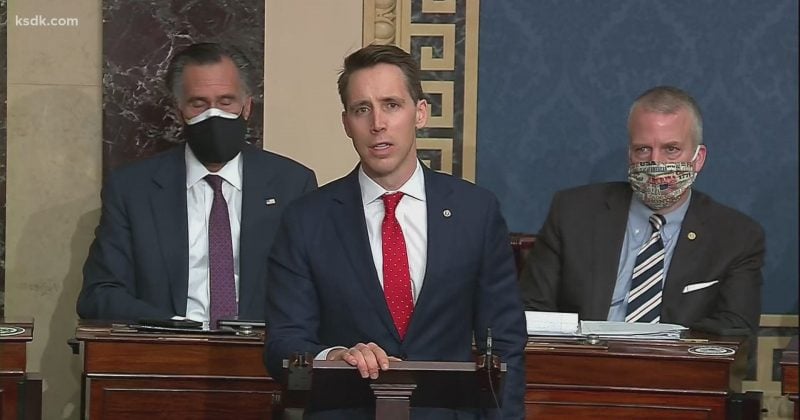
Sen. Josh Hawley voted against advancing the Digital Asset Market CLARITY Act in a Senate procedural vote on September 15, 2026. The motion to begin considering the bill failed 49 to 50; it required three-fifths of senators to advance. That vote occurred weeks after this article’s original August 5 publication. There had been no Senate vote when the earlier headline said Hawley had already voted against the bill.
How the bill reached the Senate
The House passed H.R. 3633 on July 17, 2025, by 294 to 134. The legislation would establish rules for digital commodities and divide oversight between federal financial regulators. The Senate’s September 15 vote concerned whether to proceed to the bill, not final passage.
Why community banks objected
In July 2026, the Independent Community Bankers of America and other banking groups urged senators to strengthen limits on interest, yield, and rewards tied to payment stablecoins. They argued that deposit-like rewards could draw money away from community banks and reduce funds available for local lending. This is the banking groups’ stated concern, not a measured effect of the bill.
The Senate’s published roll call confirms Hawley’s no vote. It does not establish his reason for voting no or show that the bill failed solely because of his vote. The Senate Banking Committee advanced the bill on May 14, 2026, by 15 to 9. The earlier article’s August vote claim and forecast of a floor vote before recess were removed.