
Hong Kong plans to expand dim sum bond market and yuan-denominated gold trading

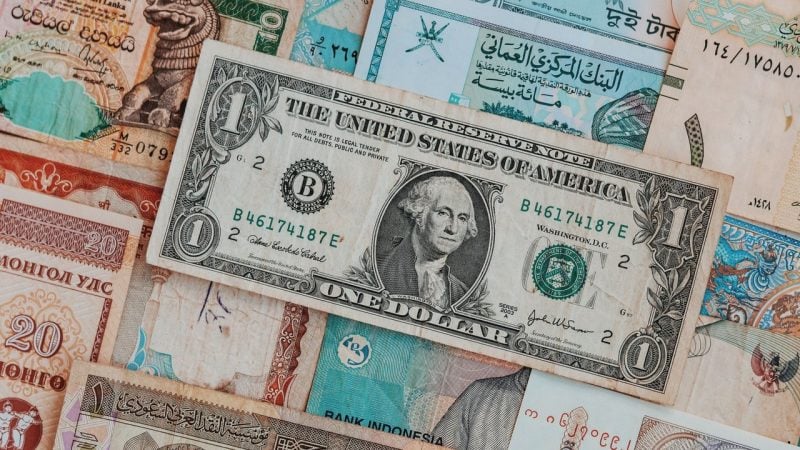
Photo: Pratikxox / Pexels

Hong Kong plans to expand dim sum bond market and yuan-denominated gold trading

The city is betting big on offshore yuan instruments, with record bond issuance, a new gold clearing system, and expanded mainland connectivity

Hong Kong just laid out its most aggressive play yet to become the world’s dominant offshore yuan hub. Chief Executive John Lee’s Policy Address outlined a sweeping set of initiatives centered on growing the dim sum bond market, launching yuan-denominated gold and commodity markets, and deepening financial ties with mainland China.

Dim sum bonds are already on a tear

The dim sum bond market has grown well past its novelty phase. Issuance hit RMB 1 trillion for two consecutive years through 2025, and outstanding bonds climbed to roughly RMB 1.27 trillion earlier in 2026. That represents an increase of over 60%.

Advertisement

In August 2026, State Grid issued RMB 14.9 billion in dim sum bonds, and the order book came in at more than 13 times subscribed.

Hong Kong’s government plans to increase both the frequency and scale of dim sum bond issuances, with backing from the Ministry of Finance on longer tenors. The Hong Kong Exchanges and Clearing Limited will also introduce a new Offshore RMB Bond Index, giving the market a proper benchmark for the first time.

Meanwhile, offshore yuan lending in Hong Kong reached RMB 935 billion in 2025. A new offshore yuan liquidity tendering mechanism is designed to deepen that pool further.

Gold and commodities get the yuan treatment

A central gold clearing and settlement system began its trial phase in July 2026, with an official launch targeted for the first quarter of 2027. The city plans to ramp up its operational gold storage capacity to over 2,000 metric tons by 2030. The commodity push also includes cooperation with mainland exchanges on commodities and gold trading.

Mainland integration keeps accelerating

The Southbound Bond Connect quota was raised by 60% to 800 billion yuan in July 2026. The RMB liquidity facility with the Hong Kong Monetary Authority was also expanded to 500 billion yuan during the same period.

Disclosure: This article was edited by Editorial Team. For more information on how we create and review content, see our Editorial Policy.
Hong Kong plans to expand dim sum bond market and yuan-denominated gold trading

The city is betting big on offshore yuan instruments, with record bond issuance, a new gold clearing system, and expanded mainland connectivity

Photo: Pratikxox / Pexels

Hong Kong just laid out its most aggressive play yet to become the world’s dominant offshore yuan hub. Chief Executive John Lee’s Policy Address outlined a sweeping set of initiatives centered on growing the dim sum bond market, launching yuan-denominated gold and commodity markets, and deepening financial ties with mainland China.

Dim sum bonds are already on a tear

The dim sum bond market has grown well past its novelty phase. Issuance hit RMB 1 trillion for two consecutive years through 2025, and outstanding bonds climbed to roughly RMB 1.27 trillion earlier in 2026. That represents an increase of over 60%.

Advertisement

In August 2026, State Grid issued RMB 14.9 billion in dim sum bonds, and the order book came in at more than 13 times subscribed.

Hong Kong’s government plans to increase both the frequency and scale of dim sum bond issuances, with backing from the Ministry of Finance on longer tenors. The Hong Kong Exchanges and Clearing Limited will also introduce a new Offshore RMB Bond Index, giving the market a proper benchmark for the first time.

Meanwhile, offshore yuan lending in Hong Kong reached RMB 935 billion in 2025. A new offshore yuan liquidity tendering mechanism is designed to deepen that pool further.

Gold and commodities get the yuan treatment

A central gold clearing and settlement system began its trial phase in July 2026, with an official launch targeted for the first quarter of 2027. The city plans to ramp up its operational gold storage capacity to over 2,000 metric tons by 2030. The commodity push also includes cooperation with mainland exchanges on commodities and gold trading.

Mainland integration keeps accelerating

The Southbound Bond Connect quota was raised by 60% to 800 billion yuan in July 2026. The RMB liquidity facility with the Hong Kong Monetary Authority was also expanded to 500 billion yuan during the same period.

Disclosure: This article was edited by Editorial Team. For more information on how we create and review content, see our Editorial Policy.