House Energy and Commerce Committee chair doubts AI risk bill will advance this year
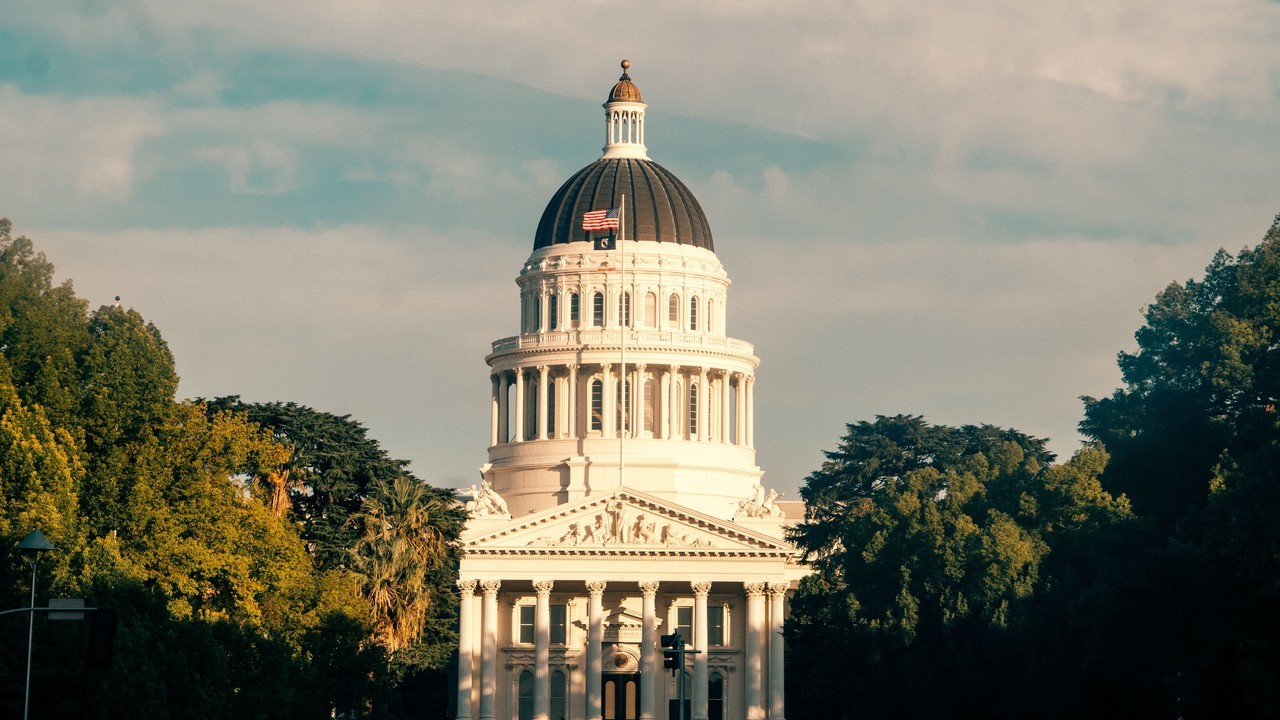
Photo: Vitaliy Haiduk / Pexels
Rep. Brett Guthrie's skepticism about the Great American AI Act signals that comprehensive AI regulation is likely on ice until after the midterms.
The most powerful committee in Congress for tech regulation just hit the brakes on AI oversight. House Energy and Commerce Committee Chair Brett Guthrie, the Kentucky Republican who controls what legislation even gets a hearing, has expressed doubt that the panel will take up a major artificial intelligence risk bill before the midterm elections.
The bill that can’t get a hearing
The legislation in question is the Great American AI Act, a bipartisan effort that includes provisions on catastrophic-risk disclosure and cybersecurity standards for advanced AI systems. Guthrie first flagged his uncertainty about the bill’s timeline back in late July 2026, when he indicated he wasn’t sure the committee could schedule hearings before voters head to the polls. By September 16, he was still striking the same note, emphasizing that US leadership in AI against China should take priority over potentially innovation-stifling regulation.
As of September 2026, the Great American AI Act has not moved to markup, the critical step where committee members actually debate amendments and vote on whether to send a bill to the full House.
Where the committee’s attention actually is
Recent committee activity has centered on energy-cost protections for data centers, the massive facilities that consume staggering amounts of electricity to train and run AI models. There’s also been movement on narrower competitiveness bills focused on chips, open-source AI, and quantum computing.
The news moving money, markets, and the world—before your day starts.
Daily. Free. Join 34,000+ readers across crypto, finance, and policy.
The competitive pressure from China
Guthrie’s framing of AI regulation as a potential handicap against China deserves scrutiny. China has actually implemented its own AI regulations, including rules around deepfakes and generative AI content. Beijing’s approach has been to regulate specific applications rather than the underlying technology, a model some US lawmakers have studied as an alternative to comprehensive legislation.
What this means for the AI industry
For companies building and deploying advanced AI systems, the lack of a federal framework leaves a patchwork of state-level regulations as the de facto governance structure. California, Colorado, and several other states have already moved on their own AI bills. Earlier in this Congress, Guthrie had advocated for a 10-year moratorium on state AI regulations as part of a budget reconciliation package, which was eventually modified in the Senate.
The Great American AI Act’s provisions on catastrophic-risk disclosure were specifically designed to address scenarios where AI systems could cause large-scale harm, whether through cybersecurity vulnerabilities, autonomous decision-making failures, or other mechanisms. For the tech sector broadly, the committee’s pivot toward data center energy policy and chip competitiveness bills offers a consolation prize, with measures that could reduce operating costs and strengthen the domestic supply chain for AI hardware.
Disclosure: This article was edited by Editorial Team. For more information on how we create and review content, see our Editorial Policy.