
Houthis declare maritime embargo on Saudi Arabia, threatening key oil chokepoint
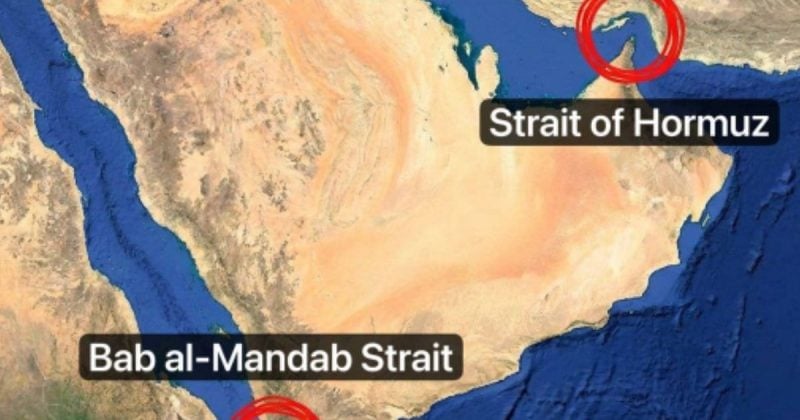
The Bab al-Mandeb Strait carries roughly 4.5 million barrels of Saudi crude daily, and the Houthis just said they're closing the door.
Yemen’s Houthi rebels announced an immediate maritime embargo against Saudi Arabia on July 20, targeting shipping through the Bab al-Mandeb Strait. That’s not just any waterway. It’s one of the most critical chokepoints for global oil transport, and Saudi Arabia pushes approximately 4.5 million barrels of crude through it every single day.
Houthi military spokesperson Yahya Saree framed the embargo as retaliation for alleged Saudi bombings, including a strike on Sanaa International Airport, and what the Houthis describe as a decade-long blockade that has devastated Yemen’s civilian population. The declaration bars Saudi vessels from accessing the strait, effective immediately.
The Bab al-Mandeb Strait sits at the southern tip of the Red Sea, connecting it to the Gulf of Aden. The Suez Canal, the Strait of Hormuz, and the Strait of Malacca are the other major chokepoints on which the global economy depends.
The enforcement mechanism remains unclear. The Houthis have demonstrated the ability to harass commercial shipping in previous campaigns using drones, anti-ship missiles, and naval mines.
During previous Houthi campaigns targeting Red Sea shipping, insurance premiums for vessels transiting the area surged dramatically, and many shipping companies opted to reroute around the Cape of Good Hope. That detour adds roughly two weeks to transit times and significantly higher fuel costs.
Macro, rates, and crypto—what moved markets and what matters next.
Daily. Free. Join 34,000+ readers across crypto, finance, and policy.
Energy analysts are watching whether Saudi Aramco adjusts its export routing or whether the kingdom’s military responds with naval escorts.
Oil price spikes feed directly into inflation expectations. Higher inflation expectations change the calculus for central bank rate decisions. Rate decisions move bond yields, equity valuations, and risk appetite across every asset class, including crypto.
Previous rounds of Middle Eastern escalation have coincided with increased crypto transaction volumes in the region, as individuals and businesses seek alternatives to traditional banking rails that can be disrupted by sanctions, capital controls, or simple counterparty anxiety.
If the Houthis begin actively interdicting Saudi-flagged vessels, oil could spike sharply, inflation expectations reset, and the comfortable consensus around easing monetary policy gets thrown into serious doubt.