
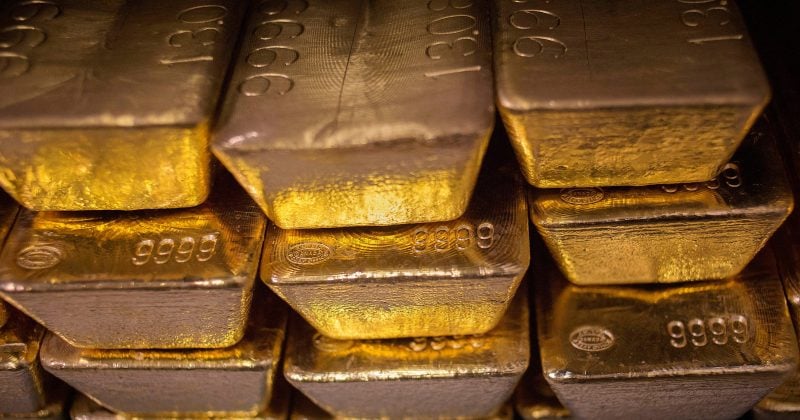
World Gold Council warns India’s gold tariff hike is fueling a booming grey market

Via scmp.com

World Gold Council warns India’s gold tariff hike is fueling a booming grey market

Official gold imports plunged 23% after India nearly tripled its import duty, creating a massive arbitrage opportunity that smugglers are happy to fill.

India just handed its gold smugglers the best business plan they’ve had in years. The country raised its gold import duty from 6% to 15% on May 13, and the World Gold Council is now sounding the alarm that the move is backfiring in spectacular fashion.

Official gold imports dropped 23% year-on-year in the second quarter of 2026, falling to just 98.1 tonnes. That’s the lowest quarterly total since Q3 2020. Meanwhile, the grey market is thriving, seizure rates have nearly doubled, and the organized gold trade is watching its market share evaporate.

The arbitrage problem nobody saw coming

According to the World Gold Council, the 15% duty combined with a 3% Goods and Services Tax has created an 18% price arbitrage between official and unofficial channels. Prices for smuggled gold have appeared at discounts of $150 to $200 per ounce compared to official domestic prices, making the risk-reward calculus for grey market participants overwhelmingly attractive.

Advertisement

Domestic gold demand declined 6% year-on-year to 131.4 tonnes in Q2 2026.

Seizures are doubling, and that’s just what authorities are catching

Between May 13 and June 30, authorities seized 160.91 kg of illegally imported gold. Seizure rates jumped nearly 100% compared to the same period before the tariff hike.

The WGC estimates that illegal gold imports could surpass 100 tonnes for the full year of 2026, a figure that would represent a massive transfer of revenue from government coffers to criminal networks.

The Indian government designed this tariff hike to manage demand, reduce its trade deficit, and stabilize the rupee. Demand hasn’t meaningfully decreased. It’s just gone underground, where it generates zero revenue and undermines the very financial institutions the government relies on.

What this means for gold markets and crypto-adjacent investors

For global gold prices, the decline in India’s official imports could introduce volatility. India’s legitimate import channels are a significant source of physical demand in international markets. A 23% drop in official purchases shifts supply-demand dynamics at a time when gold is already navigating a complex macro environment.

Gold ETFs may emerge as relative winners from this regulatory shift. As physical gold becomes more expensive to acquire through legal channels in India, investment products that don’t carry the same tariff burden become increasingly attractive. The WGC has noted that these vehicles have shown resilience even as physical demand contracted.

Investors monitoring precious metals should watch for two signals: whether Indian authorities reverse or reduce the tariff in the face of mounting evidence it’s counterproductive, and whether smuggling volumes continue to accelerate. If illegal imports do hit the projected 100-tonne mark for 2026, regulatory pressure to walk back the duty increase will become difficult to ignore.

Disclosure: This article was edited by Editorial Team. For more information on how we create and review content, see our Editorial Policy.

World Gold Council warns India’s gold tariff hike is fueling a booming grey market

World Gold Council warns India’s gold tariff hike is fueling a booming grey market

Official gold imports plunged 23% after India nearly tripled its import duty, creating a massive arbitrage opportunity that smugglers are happy to fill.

Via scmp.com

India just handed its gold smugglers the best business plan they’ve had in years. The country raised its gold import duty from 6% to 15% on May 13, and the World Gold Council is now sounding the alarm that the move is backfiring in spectacular fashion.

Official gold imports dropped 23% year-on-year in the second quarter of 2026, falling to just 98.1 tonnes. That’s the lowest quarterly total since Q3 2020. Meanwhile, the grey market is thriving, seizure rates have nearly doubled, and the organized gold trade is watching its market share evaporate.

The arbitrage problem nobody saw coming

According to the World Gold Council, the 15% duty combined with a 3% Goods and Services Tax has created an 18% price arbitrage between official and unofficial channels. Prices for smuggled gold have appeared at discounts of $150 to $200 per ounce compared to official domestic prices, making the risk-reward calculus for grey market participants overwhelmingly attractive.

Advertisement

Domestic gold demand declined 6% year-on-year to 131.4 tonnes in Q2 2026.

Seizures are doubling, and that’s just what authorities are catching

Between May 13 and June 30, authorities seized 160.91 kg of illegally imported gold. Seizure rates jumped nearly 100% compared to the same period before the tariff hike.

The WGC estimates that illegal gold imports could surpass 100 tonnes for the full year of 2026, a figure that would represent a massive transfer of revenue from government coffers to criminal networks.

The Indian government designed this tariff hike to manage demand, reduce its trade deficit, and stabilize the rupee. Demand hasn’t meaningfully decreased. It’s just gone underground, where it generates zero revenue and undermines the very financial institutions the government relies on.

What this means for gold markets and crypto-adjacent investors

For global gold prices, the decline in India’s official imports could introduce volatility. India’s legitimate import channels are a significant source of physical demand in international markets. A 23% drop in official purchases shifts supply-demand dynamics at a time when gold is already navigating a complex macro environment.

Gold ETFs may emerge as relative winners from this regulatory shift. As physical gold becomes more expensive to acquire through legal channels in India, investment products that don’t carry the same tariff burden become increasingly attractive. The WGC has noted that these vehicles have shown resilience even as physical demand contracted.

Investors monitoring precious metals should watch for two signals: whether Indian authorities reverse or reduce the tariff in the face of mounting evidence it’s counterproductive, and whether smuggling volumes continue to accelerate. If illegal imports do hit the projected 100-tonne mark for 2026, regulatory pressure to walk back the duty increase will become difficult to ignore.

Disclosure: This article was edited by Editorial Team. For more information on how we create and review content, see our Editorial Policy.