
Indonesia central bank chief resigns amid policy tensions, raising concerns for rupiah and capital flows

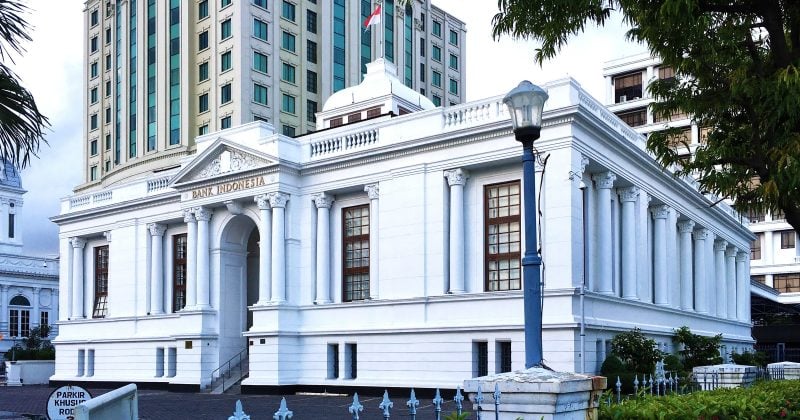
Photo: Rochelimit / Wikimedia Commons / CC BY-SA 4.0 (https://creativecommons.org/licenses/by-sa/4.0)

Indonesia central bank chief resigns amid policy tensions, raising concerns for rupiah and capital flows

Perry Warjiyo's sudden departure two years before his term ends has investors questioning central bank independence under the Prabowo administration.

Perry Warjiyo, the governor of Bank Indonesia, resigned on July 27, 2026, walking away from the job two full years before his second term was set to expire.

The official line is “personal reasons,” reportedly accepted by President Prabowo Subianto. But sources point to escalating policy tensions between Warjiyo and the new administration.

What actually happened

Warjiyo submitted his resignation letter on July 25, 2026, just two days before the resignation took effect.

Senior Deputy Governor Destry Damayanti has been appointed as interim governor.

Advertisement

On June 4, 2026, the Indonesian parliament passed a bill expanding oversight of Bank Indonesia. Critics called it exactly what it looked like: a mechanism to reduce the central bank’s operational independence. Warjiyo was gone less than eight weeks later.

Then there’s the Thomas Djiwandono factor. Djiwandono, who happens to be President Prabowo’s nephew, was appointed deputy governor in early 2026. Installing a family member in the central bank’s leadership structure while simultaneously passing legislation to increase political oversight of that institution is a pattern that tends to make institutional investors nervous.

Warjiyo had served as BI governor since May 2018, steering monetary policy through the COVID-19 pandemic. His second term was supposed to run through 2028.

Why the rupiah is already feeling it

The Indonesian rupiah has started weakening in the wake of Warjiyo’s departure. When a central bank governor resigns under circumstances that suggest political pressure, investors immediately start recalculating the risk premium on that country’s assets.

Analysts are already flagging elevated risks of capital flight. Indonesia’s bond and equity markets have historically attracted significant foreign flows partly because Bank Indonesia was seen as a credible, independent institution.

What this means for investors

Indonesia is the fourth most populous country on earth and one of the largest crypto markets in Southeast Asia by trading volume. Any regulatory instability at the central bank level has downstream effects on how crypto is governed, taxed, and accessed in the country.

Investors should watch three things in the coming weeks: who gets nominated as permanent governor, whether the new BI oversight legislation results in any immediate policy shifts, and how aggressively Bank Indonesia intervenes to defend the rupiah.

Disclosure: This article was edited by Editorial Team. For more information on how we create and review content, see our Editorial Policy.

Indonesia central bank chief resigns amid policy tensions, raising concerns for rupiah and capital flows

Indonesia central bank chief resigns amid policy tensions, raising concerns for rupiah and capital flows

Perry Warjiyo's sudden departure two years before his term ends has investors questioning central bank independence under the Prabowo administration.

Photo: Rochelimit / Wikimedia Commons / CC BY-SA 4.0 (https://creativecommons.org/licenses/by-sa/4.0)

Perry Warjiyo, the governor of Bank Indonesia, resigned on July 27, 2026, walking away from the job two full years before his second term was set to expire.

The official line is “personal reasons,” reportedly accepted by President Prabowo Subianto. But sources point to escalating policy tensions between Warjiyo and the new administration.

What actually happened

Warjiyo submitted his resignation letter on July 25, 2026, just two days before the resignation took effect.

Senior Deputy Governor Destry Damayanti has been appointed as interim governor.

Advertisement

On June 4, 2026, the Indonesian parliament passed a bill expanding oversight of Bank Indonesia. Critics called it exactly what it looked like: a mechanism to reduce the central bank’s operational independence. Warjiyo was gone less than eight weeks later.

Then there’s the Thomas Djiwandono factor. Djiwandono, who happens to be President Prabowo’s nephew, was appointed deputy governor in early 2026. Installing a family member in the central bank’s leadership structure while simultaneously passing legislation to increase political oversight of that institution is a pattern that tends to make institutional investors nervous.

Warjiyo had served as BI governor since May 2018, steering monetary policy through the COVID-19 pandemic. His second term was supposed to run through 2028.

Why the rupiah is already feeling it

The Indonesian rupiah has started weakening in the wake of Warjiyo’s departure. When a central bank governor resigns under circumstances that suggest political pressure, investors immediately start recalculating the risk premium on that country’s assets.

Analysts are already flagging elevated risks of capital flight. Indonesia’s bond and equity markets have historically attracted significant foreign flows partly because Bank Indonesia was seen as a credible, independent institution.

What this means for investors

Indonesia is the fourth most populous country on earth and one of the largest crypto markets in Southeast Asia by trading volume. Any regulatory instability at the central bank level has downstream effects on how crypto is governed, taxed, and accessed in the country.

Investors should watch three things in the coming weeks: who gets nominated as permanent governor, whether the new BI oversight legislation results in any immediate policy shifts, and how aggressively Bank Indonesia intervenes to defend the rupiah.

Disclosure: This article was edited by Editorial Team. For more information on how we create and review content, see our Editorial Policy.