
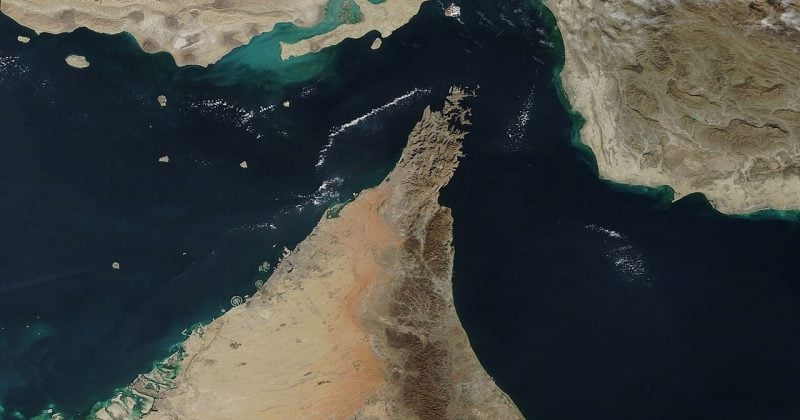
Iran closes Strait of Hormuz after US airstrikes, oil prices surge

https://en.wikipedia.org/wiki/Strait_of_Hormuz

Iran closes Strait of Hormuz after US airstrikes, oil prices surge

WTI crude oil prices in July 2026

Iran has launched retaliatory attacks following the ninth consecutive night of US airstrikes, resulting in the closure of the Strait of Hormuz. This development has halted commercial shipping through the critical waterway, which handles around 20% of global oil and gas trade. The disruption has led to a significant rise in Brent crude prices, reaching $90.30 per barrel. This escalation in tensions has contributed to increased volatility in the oil markets, with implications for WTI Crude Oil prices as well.

Market participants have reacted to these developments with increased activity in prediction markets related to oil prices. As of the latest data, the likelihood of WTI Crude Oil reaching $90 by the end of July 2026 has seen a significant rise, currently priced at 46% YES. This represents a considerable shift from earlier in the month, suggesting heightened expectations of price increases due to the ongoing geopolitical tensions.

Advertisement

In addition to the immediate impact on crude prices, the situation in the Strait of Hormuz is expected to influence broader market dynamics. The International Energy Agency and OPEC+ are closely monitoring the situation, as any prolonged disruption could lead to further price hikes and supply chain challenges globally.

Key Takeaways

  • Market pricing suggests an increased likelihood of WTI Crude Oil reaching $90 in July, reflecting concerns over supply disruptions.
  • The closure of the Strait of Hormuz is a key factor driving the recent surge in oil prices, currently consistent with scenarios of heightened geopolitical risk.
  • The situation has led to increased volatility in the oil markets, with participants closely observing developments in the region.

What to Watch

The ongoing conflict between the US and Iran remains a critical factor influencing oil market dynamics. Watch for any announcements from the Iranian Ministry of Shipping regarding the reopening of the Strait of Hormuz, which could shift current pricing expectations. Additionally, statements from OPEC+ regarding production adjustments could further influence market perceptions and pricing trends. The situation remains fluid, and developments in US-Iran relations will likely continue to impact oil markets through the remainder of July.

Get live prediction-market analysis, powered by Vera. Sign up for Vera.

Disclosure: This article was edited by Estefano Gomez. For more information on how we create and review content, see our Editorial Policy.

Iran closes Strait of Hormuz after US airstrikes, oil prices surge

Iran closes Strait of Hormuz after US airstrikes, oil prices surge

WTI crude oil prices in July 2026

https://en.wikipedia.org/wiki/Strait_of_Hormuz

Iran has launched retaliatory attacks following the ninth consecutive night of US airstrikes, resulting in the closure of the Strait of Hormuz. This development has halted commercial shipping through the critical waterway, which handles around 20% of global oil and gas trade. The disruption has led to a significant rise in Brent crude prices, reaching $90.30 per barrel. This escalation in tensions has contributed to increased volatility in the oil markets, with implications for WTI Crude Oil prices as well.

Market participants have reacted to these developments with increased activity in prediction markets related to oil prices. As of the latest data, the likelihood of WTI Crude Oil reaching $90 by the end of July 2026 has seen a significant rise, currently priced at 46% YES. This represents a considerable shift from earlier in the month, suggesting heightened expectations of price increases due to the ongoing geopolitical tensions.

Advertisement

In addition to the immediate impact on crude prices, the situation in the Strait of Hormuz is expected to influence broader market dynamics. The International Energy Agency and OPEC+ are closely monitoring the situation, as any prolonged disruption could lead to further price hikes and supply chain challenges globally.

Key Takeaways

  • Market pricing suggests an increased likelihood of WTI Crude Oil reaching $90 in July, reflecting concerns over supply disruptions.
  • The closure of the Strait of Hormuz is a key factor driving the recent surge in oil prices, currently consistent with scenarios of heightened geopolitical risk.
  • The situation has led to increased volatility in the oil markets, with participants closely observing developments in the region.

What to Watch

The ongoing conflict between the US and Iran remains a critical factor influencing oil market dynamics. Watch for any announcements from the Iranian Ministry of Shipping regarding the reopening of the Strait of Hormuz, which could shift current pricing expectations. Additionally, statements from OPEC+ regarding production adjustments could further influence market perceptions and pricing trends. The situation remains fluid, and developments in US-Iran relations will likely continue to impact oil markets through the remainder of July.

Get live prediction-market analysis, powered by Vera. Sign up for Vera.

Disclosure: This article was edited by Estefano Gomez. For more information on how we create and review content, see our Editorial Policy.