
Iran conflict fuels uncertainty in energy markets over Strait of Hormuz

CryptoBriefing

Iran conflict fuels uncertainty in energy markets over Strait of Hormuz

US-Iran Deal in 2026

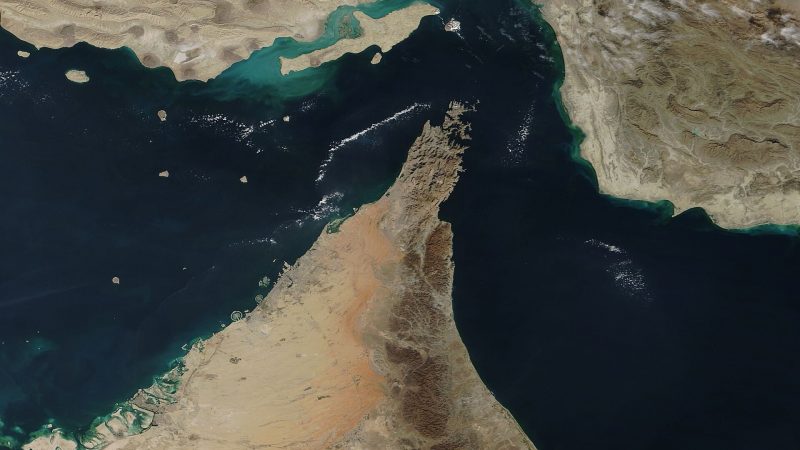
The energy markets are facing significant uncertainty due to the ongoing conflict involving the United States, Israel, and Iran, which centers around the strategic Strait of Hormuz. The volatile situation has left market participants struggling to predict any resolution or endgame, impacting energy prices and geopolitical stability. As military operations continue without a ceasefire, concerns grow over the potential for disruption in global oil supply through this critical chokepoint. The complexity and unpredictability of the conflict make it challenging for market analysts to form reliable forecasts.

Advertisement

Key Takeaways

  • The ongoing conflict in Iran appears to add uncertainty to global energy markets, suggesting challenges in modeling future scenarios.
  • Pricing in prediction markets indicates a decrease in the likelihood of a US-Iran deal in 2026, reflecting increased geopolitical tension.
  • Observations suggest that current market odds are consistent with scenarios where a resolution is delayed, and energy supply remains threatened.

What to Watch

The development of diplomatic efforts, including potential talks between the U.S. and Gulf leaders, will be crucial. Any progress could indicate a shift towards de-escalation, supportive of a YES outcome in US-Iran deal markets. Conversely, further military escalations or breakdowns in negotiations may reinforce scenarios where a deal remains unlikely. Monitoring announcements from key actors like President Trump and Iranian officials will provide further insights into the evolving geopolitical landscape.

Get live prediction-market analysis, powered by Vera. Sign up for Vera.

Disclosure: This article was edited by Estefano Gomez. For more information on how we create and review content, see our Editorial Policy.
Iran conflict fuels uncertainty in energy markets over Strait of Hormuz

US-Iran Deal in 2026

CryptoBriefing

The energy markets are facing significant uncertainty due to the ongoing conflict involving the United States, Israel, and Iran, which centers around the strategic Strait of Hormuz. The volatile situation has left market participants struggling to predict any resolution or endgame, impacting energy prices and geopolitical stability. As military operations continue without a ceasefire, concerns grow over the potential for disruption in global oil supply through this critical chokepoint. The complexity and unpredictability of the conflict make it challenging for market analysts to form reliable forecasts.

Advertisement

Key Takeaways

  • The ongoing conflict in Iran appears to add uncertainty to global energy markets, suggesting challenges in modeling future scenarios.
  • Pricing in prediction markets indicates a decrease in the likelihood of a US-Iran deal in 2026, reflecting increased geopolitical tension.
  • Observations suggest that current market odds are consistent with scenarios where a resolution is delayed, and energy supply remains threatened.

What to Watch

The development of diplomatic efforts, including potential talks between the U.S. and Gulf leaders, will be crucial. Any progress could indicate a shift towards de-escalation, supportive of a YES outcome in US-Iran deal markets. Conversely, further military escalations or breakdowns in negotiations may reinforce scenarios where a deal remains unlikely. Monitoring announcements from key actors like President Trump and Iranian officials will provide further insights into the evolving geopolitical landscape.

Get live prediction-market analysis, powered by Vera. Sign up for Vera.

Disclosure: This article was edited by Estefano Gomez. For more information on how we create and review content, see our Editorial Policy.