
Iran demands hormuz inbound control, outbound oversight, source says

https://www.cfr.org/articles/strait-hormuz-us-iran-maritime-flash-point

Iran demands hormuz inbound control, outbound oversight, source says

Iran Hormuz fees

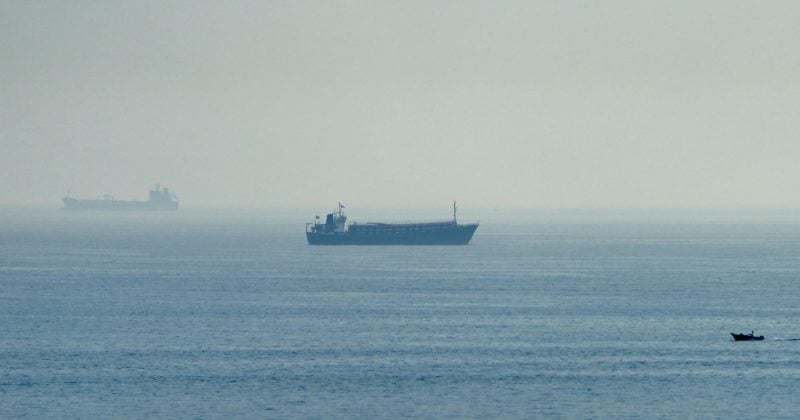
Iran has reportedly demanded control over both inbound and outbound traffic through the Strait of Hormuz, according to a source cited by Reuters. This move is seen as an escalation in Iran’s efforts to assert authority over the strategic maritime corridor amid ongoing regional tensions. The Strait of Hormuz, a critical chokepoint for global oil shipments, has been a focal point in the broader 2026 Iran war, with Iran’s actions prompting international concerns over shipping security and freedom of navigation. The United States and other nations have previously emphasized the need to keep the waterway open under international maritime law.

Advertisement

Key Takeaways

  • Iran’s demand for control over Hormuz traffic suggests a significant shift in its maritime strategy, potentially impacting global shipping routes.
  • Market pricing indicates an increased likelihood of Iran implementing transit fees, with the October 31 market showing a 57.5% YES probability.
  • Recent developments appear consistent with scenarios where Iran’s control over the strait leads to heightened regional tensions and economic implications.

What to Watch

The international response to Iran’s demands will be critical in shaping future developments. Watch for statements from key actors such as the United States and Oman, which could influence market perceptions. Additionally, any official announcements from Iran regarding the implementation of transit fees may further impact market pricing. Observers will be attentive to how commercial shipping firms and regional military forces respond to these developments, as these actions could either support or undermine Iran’s efforts to control the strait.

Get live prediction-market analysis, powered by Vera. Sign up for Vera.

Disclosure: This article was edited by Estefano Gomez. For more information on how we create and review content, see our Editorial Policy.

Iran demands hormuz inbound control, outbound oversight, source says

Iran demands hormuz inbound control, outbound oversight, source says

Iran Hormuz fees

https://www.cfr.org/articles/strait-hormuz-us-iran-maritime-flash-point

Iran has reportedly demanded control over both inbound and outbound traffic through the Strait of Hormuz, according to a source cited by Reuters. This move is seen as an escalation in Iran’s efforts to assert authority over the strategic maritime corridor amid ongoing regional tensions. The Strait of Hormuz, a critical chokepoint for global oil shipments, has been a focal point in the broader 2026 Iran war, with Iran’s actions prompting international concerns over shipping security and freedom of navigation. The United States and other nations have previously emphasized the need to keep the waterway open under international maritime law.

Advertisement

Key Takeaways

  • Iran’s demand for control over Hormuz traffic suggests a significant shift in its maritime strategy, potentially impacting global shipping routes.
  • Market pricing indicates an increased likelihood of Iran implementing transit fees, with the October 31 market showing a 57.5% YES probability.
  • Recent developments appear consistent with scenarios where Iran’s control over the strait leads to heightened regional tensions and economic implications.

What to Watch

The international response to Iran’s demands will be critical in shaping future developments. Watch for statements from key actors such as the United States and Oman, which could influence market perceptions. Additionally, any official announcements from Iran regarding the implementation of transit fees may further impact market pricing. Observers will be attentive to how commercial shipping firms and regional military forces respond to these developments, as these actions could either support or undermine Iran’s efforts to control the strait.

Get live prediction-market analysis, powered by Vera. Sign up for Vera.

Disclosure: This article was edited by Estefano Gomez. For more information on how we create and review content, see our Editorial Policy.