
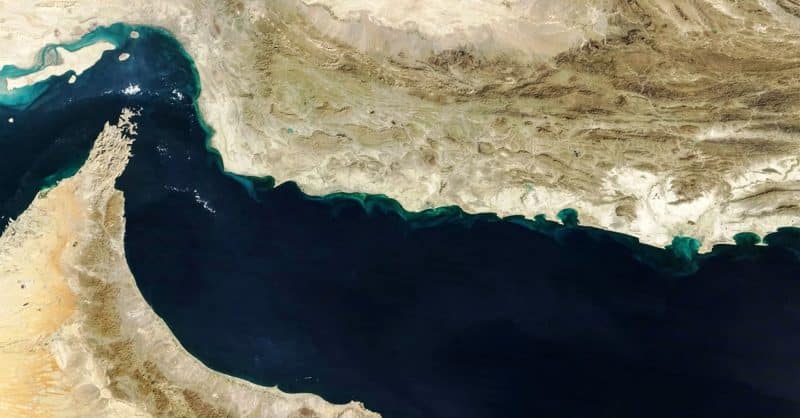
The closure of the Strait of Hormuz, triggered by Iranian drone attacks, has intensified Europe’s energy crisis. The odds of a US-Iran ceasefire by April 30 sit at
The Strait of Hormuz is now closed, and Qatari LNG production is suspended. Dutch TTF gas prices have doubled to €60/MWh. European gas storage is at 31%, raising fears of stagflation or recession, particularly in Germany and Italy. Europe’s attempt to pivot away from Russian LNG dependency faces a direct test, and the EU’s responses so far (electricity tax cuts, renewable incentives) are reactive measures against what could be a prolonged supply disruption.
The sharp drop in April 30 ceasefire odds shows traders betting against a quick diplomatic resolution. Daily trading volume is $213,788, with $68,607 in actual USDC exchanged. Order book depth is thin: it takes just $4,074 to move the price by 5 percentage points. Yesterday, a single trade pushed the market from 28% to 32%, illustrating how little liquidity separates large price swings.
New military strikes or further escalation would likely push odds lower still. At 12.5¢, buying YES shares is a bet on a swift diplomatic turnaround. For that bet to pay off, there would need to be immediate and substantive diplomatic moves, whether intermediary activity by Oman or Qatar, or significant de-escalation from Trump or Iran’s leadership.
See what prediction markets are pricing into the day's biggest stories.
Daily. Free. Join 34,000+ readers across crypto, finance, and policy.
Watch for CENTCOM statements and potential Iranian retaliations. Any softening of rhetoric or confirmation of resumed talks could shift the market.