
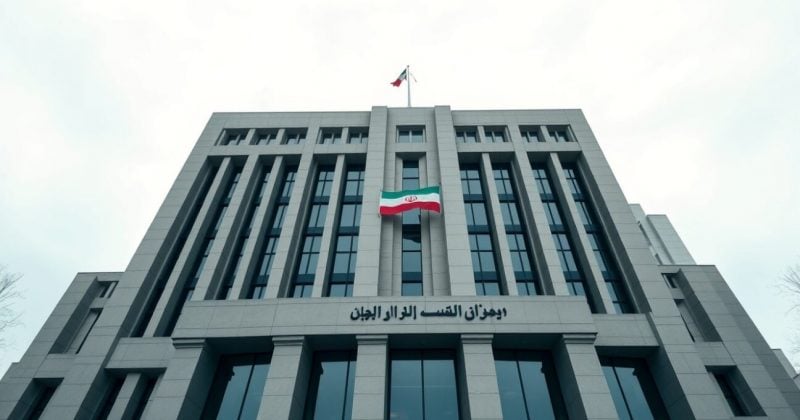
Iran suspends commitments under US memorandum of understanding, and crypto markets are already feeling it
The collapse of a fragile diplomatic deal between Washington and Tehran is sending shockwaves through Bitcoin markets, with prices dropping sharply as geopolitical risk reprices in real time.
The 14-point memorandum of understanding between the US and Iran lasted about a month before things fell apart. Iran has officially suspended its commitments under the deal, accusing Washington of violating the agreement through asset freezes and fresh sanctions.
Iran’s Deputy Foreign Minister Kazem Gharibabadi made the announcement in mid-July 2026, declaring that the US had ceased fulfilling its own obligations under the MOU first. Tehran is now refusing to engage in new talks, framing the American side as the party that undermined the diplomatic process.
What the deal was supposed to do
The MOU was signed on June 17, 2026, with Pakistan and Qatar serving as mediators. Its primary purpose was de-escalating hostilities in the Strait of Hormuz, one of the world’s most strategically important waterways for global energy trade.
Beyond the immediate military tensions, the agreement opened a 60-day window for discussions on two of the thorniest issues in US-Iran relations: nuclear program oversight and potential sanctions relief.
The US moved forward with asset freezes and sanctions actions that Iran interpreted as direct violations of the agreement’s terms.
Macro, rates, and crypto—what moved markets and what matters next.
Daily. Free. Join 34,000+ readers across crypto, finance, and policy.
Bitcoin’s wild ride on geopolitical headlines
When the agreement was signed in June, Bitcoin surged past $82,000. Investors read the diplomatic breakthrough as a reduction in global risk, and capital flowed accordingly.
After US statements signaling the deal’s collapse, Bitcoin dropped below $62,000. That is roughly a 24% decline driven almost entirely by diplomatic headlines rather than anything happening on-chain or within crypto-native fundamentals.
The $1 billion crypto seizure adding fuel to the fire
Compounding the diplomatic fallout, the US government has seized approximately $1 billion in crypto assets linked to Iran as part of its sanctions enforcement regime. The seizure reportedly targeted Iran’s largest digital exchange, Nobitex.
Nobitex has been a critical on-ramp for Iranian users navigating an economy already constrained by decades of sanctions. Removing that much capital from the ecosystem doesn’t just hurt Iran’s government — it impacts ordinary users who rely on crypto as a financial lifeline in a sanctions-heavy environment.
Notably, the MOU text itself contained zero references to digital assets, cryptocurrencies, or blockchain technology. Crypto has become a major vector for sanctions enforcement and evasion alike, and any future diplomatic framework that ignores it is building on incomplete foundations.