
Iran faces production cuts as oil loadings drop sharply amid US blockade

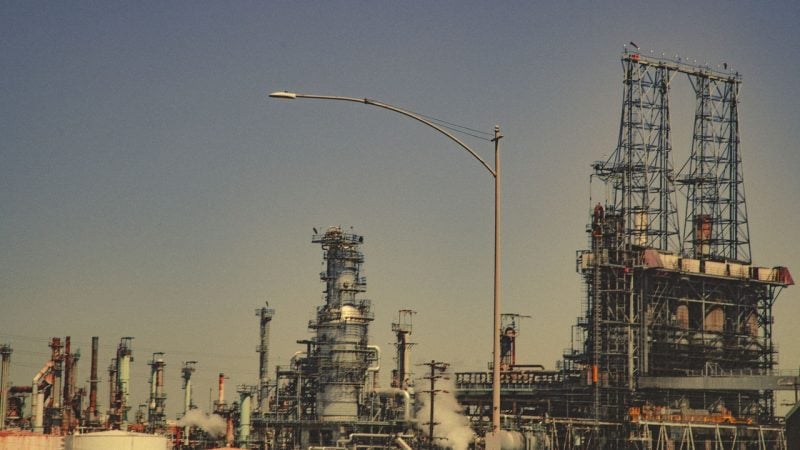
Photo: Ali Mucci / Pexels

Iran faces production cuts as oil loadings drop sharply amid US blockade

A US naval blockade reinstated in mid-July has slashed Iranian crude exports by over 80%, bleeding the country's oil revenue at a rate of $200–250 million per day

Iran’s oil sector is absorbing one of the most severe shocks in years. Vessel-tracking data shows Iranian crude and condensate loadings averaged just 220,000 to 260,000 barrels per day in August 2026, compared to 1.7 to 2 million barrels per day a year earlier. That is an over 80% collapse in export volumes, measured not in some theoretical worst-case model but in actual ships moving actual oil.

The proximate cause is a US naval blockade at the Strait of Hormuz, reinstated in mid-July 2026 after a brief easing that followed a short-lived peace agreement in June. Since the blockade went back up, tracking reports show no confirmed Iranian crude cargoes have successfully passed the enforcement line.

From storage glut to storage crisis

Floating storage, the tankers sitting offshore loaded with unsellable crude, has dropped from roughly 90 million barrels in mid-July to about 29 million barrels as of mid-September 2026. Iran is drawing down those reserves to meet domestic needs and satisfy whatever residual exports it can manage, not because it found new buyers.

Advertisement

With nowhere to put new output, the National Iranian Oil Co. has been forced to dial back production. Analysts estimate that if the blockade holds, Iranian crude output could fall to 1.2 to 1.3 million barrels per day, a level closer to what the country consumes internally than what it historically exports to global markets.

At a revenue loss of $200 to $250 million per day, Iran is burning through the economic equivalent of a mid-sized country’s annual GDP every few weeks. That figure compounds an economy already straining under high inflation and limited access to international financial systems.

China holds the remaining cards

Before the blockade tightened, China was absorbing the overwhelming majority of Iranian oil exports, typically at discounted prices that suited both sides of a sanctions-constrained arrangement. Now even that outlet is largely closed, not because China stopped wanting cheap crude, but because the ships cannot get through.

What China can do is draw down the Iranian crude already sitting in its own storage, inventories built up during the months when exports were flowing more freely. Iranian Oil Minister Mohsen Paknejad and NIOC have been publicly signaling defiance, but the operational reality is that the country’s export leverage depends heavily on what Beijing chooses to do with its existing stockpiles.

By mid-September 2026, tracking data indicates Iranian exports have reached six-year lows.

What the production cuts mean beyond Iran’s borders

For refiners in Asia, particularly in China and India, Iranian crude had been a reliable source of cost-effective feedstock. The supply interruption forces procurement teams to look elsewhere, typically at higher prices, a cost that eventually gets passed downstream.

Iran’s oil fields require continuous investment and maintenance even when production is throttled back. Restarting wells that have been shut in for extended periods carries technical and financial costs that compound over time.

Disclosure: This article was edited by Editorial Team. For more information on how we create and review content, see our Editorial Policy.
Iran faces production cuts as oil loadings drop sharply amid US blockade

A US naval blockade reinstated in mid-July has slashed Iranian crude exports by over 80%, bleeding the country's oil revenue at a rate of $200–250 million per day

Photo: Ali Mucci / Pexels

Iran’s oil sector is absorbing one of the most severe shocks in years. Vessel-tracking data shows Iranian crude and condensate loadings averaged just 220,000 to 260,000 barrels per day in August 2026, compared to 1.7 to 2 million barrels per day a year earlier. That is an over 80% collapse in export volumes, measured not in some theoretical worst-case model but in actual ships moving actual oil.

The proximate cause is a US naval blockade at the Strait of Hormuz, reinstated in mid-July 2026 after a brief easing that followed a short-lived peace agreement in June. Since the blockade went back up, tracking reports show no confirmed Iranian crude cargoes have successfully passed the enforcement line.

From storage glut to storage crisis

Floating storage, the tankers sitting offshore loaded with unsellable crude, has dropped from roughly 90 million barrels in mid-July to about 29 million barrels as of mid-September 2026. Iran is drawing down those reserves to meet domestic needs and satisfy whatever residual exports it can manage, not because it found new buyers.

Advertisement

With nowhere to put new output, the National Iranian Oil Co. has been forced to dial back production. Analysts estimate that if the blockade holds, Iranian crude output could fall to 1.2 to 1.3 million barrels per day, a level closer to what the country consumes internally than what it historically exports to global markets.

At a revenue loss of $200 to $250 million per day, Iran is burning through the economic equivalent of a mid-sized country’s annual GDP every few weeks. That figure compounds an economy already straining under high inflation and limited access to international financial systems.

China holds the remaining cards

Before the blockade tightened, China was absorbing the overwhelming majority of Iranian oil exports, typically at discounted prices that suited both sides of a sanctions-constrained arrangement. Now even that outlet is largely closed, not because China stopped wanting cheap crude, but because the ships cannot get through.

What China can do is draw down the Iranian crude already sitting in its own storage, inventories built up during the months when exports were flowing more freely. Iranian Oil Minister Mohsen Paknejad and NIOC have been publicly signaling defiance, but the operational reality is that the country’s export leverage depends heavily on what Beijing chooses to do with its existing stockpiles.

By mid-September 2026, tracking data indicates Iranian exports have reached six-year lows.

What the production cuts mean beyond Iran’s borders

For refiners in Asia, particularly in China and India, Iranian crude had been a reliable source of cost-effective feedstock. The supply interruption forces procurement teams to look elsewhere, typically at higher prices, a cost that eventually gets passed downstream.

Iran’s oil fields require continuous investment and maintenance even when production is throttled back. Restarting wells that have been shut in for extended periods carries technical and financial costs that compound over time.

Disclosure: This article was edited by Editorial Team. For more information on how we create and review content, see our Editorial Policy.