
Iran and Oman negotiate deal to split control of the Strait of Hormuz, reshaping global energy transit

Via nytimes.com

Iran and Oman negotiate deal to split control of the Strait of Hormuz, reshaping global energy transit

The two nations are carving up oversight of the world's most important oil chokepoint, with service fees for transiting vessels and no US seat at the table.

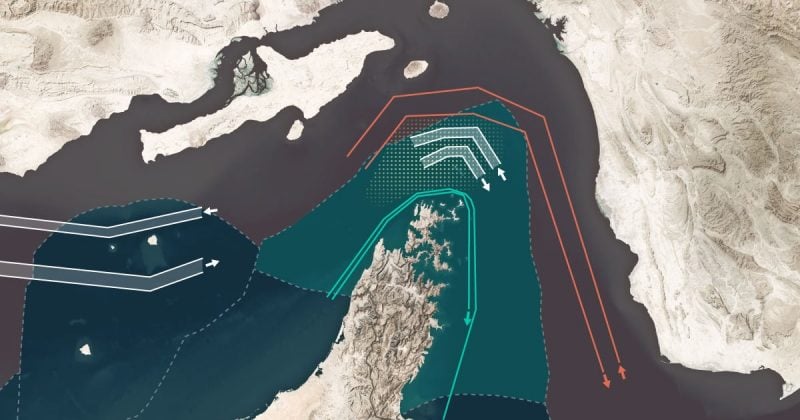
Iran and Oman are finalizing a bilateral agreement to manage navigation through the Strait of Hormuz, the narrow waterway that roughly 20% of the world’s oil supply passes through daily. Under the emerging deal, Iran would control inbound maritime routes while Oman oversees outbound traffic, with both nations planning to introduce service fees for vessels transiting the passage.

The negotiations, reported as of August 4, 2026, represent a remarkable piece of regional diplomacy. Iran and Oman are essentially proposing to turn the Strait into a managed toll road, with Iran taking the inbound lanes, Oman taking the outbound lanes, and both collecting fees.

Advertisement

Previous timelines for reopening the Strait proposed by the Trump administration have been rejected by Iran, which appears to prefer negotiating with its neighbor across the water rather than with Washington. Oman has long positioned itself as the Gulf’s neutral mediator, having facilitated back-channel talks between Iran and the US during earlier nuclear negotiations.

The Strait of Hormuz is the single most important bottleneck in global energy logistics. A stable, predictable arrangement for Strait navigation could meaningfully reduce the geopolitical risk premium that has been baked into energy prices. That has downstream effects for inflation expectations, central bank policy, and the macro environment that crypto trades against.

The bilateral nature of these talks, specifically excluding direct US involvement, signals a broader trend of regional powers building economic infrastructure that doesn’t depend on American approval. That dynamic has historically been one of the drivers behind interest in decentralized finance and alternative payment rails in the Middle East and South Asia.

The exclusion of the US from these talks is perhaps the most consequential element for markets to digest. American naval presence in the Persian Gulf has been the de facto guarantor of free passage through the Strait for decades. A bilateral Iran-Oman framework implicitly challenges that arrangement, raising questions about the future role of the US Fifth Fleet and the broader American security architecture in the region.

Disclosure: This article was edited by Editorial Team. For more information on how we create and review content, see our Editorial Policy.

Iran and Oman negotiate deal to split control of the Strait of Hormuz, reshaping global energy transit

Iran and Oman negotiate deal to split control of the Strait of Hormuz, reshaping global energy transit

The two nations are carving up oversight of the world's most important oil chokepoint, with service fees for transiting vessels and no US seat at the table.

Via nytimes.com

Iran and Oman are finalizing a bilateral agreement to manage navigation through the Strait of Hormuz, the narrow waterway that roughly 20% of the world’s oil supply passes through daily. Under the emerging deal, Iran would control inbound maritime routes while Oman oversees outbound traffic, with both nations planning to introduce service fees for vessels transiting the passage.

The negotiations, reported as of August 4, 2026, represent a remarkable piece of regional diplomacy. Iran and Oman are essentially proposing to turn the Strait into a managed toll road, with Iran taking the inbound lanes, Oman taking the outbound lanes, and both collecting fees.

Advertisement

Previous timelines for reopening the Strait proposed by the Trump administration have been rejected by Iran, which appears to prefer negotiating with its neighbor across the water rather than with Washington. Oman has long positioned itself as the Gulf’s neutral mediator, having facilitated back-channel talks between Iran and the US during earlier nuclear negotiations.

The Strait of Hormuz is the single most important bottleneck in global energy logistics. A stable, predictable arrangement for Strait navigation could meaningfully reduce the geopolitical risk premium that has been baked into energy prices. That has downstream effects for inflation expectations, central bank policy, and the macro environment that crypto trades against.

The bilateral nature of these talks, specifically excluding direct US involvement, signals a broader trend of regional powers building economic infrastructure that doesn’t depend on American approval. That dynamic has historically been one of the drivers behind interest in decentralized finance and alternative payment rails in the Middle East and South Asia.

The exclusion of the US from these talks is perhaps the most consequential element for markets to digest. American naval presence in the Persian Gulf has been the de facto guarantor of free passage through the Strait for decades. A bilateral Iran-Oman framework implicitly challenges that arrangement, raising questions about the future role of the US Fifth Fleet and the broader American security architecture in the region.

Disclosure: This article was edited by Editorial Team. For more information on how we create and review content, see our Editorial Policy.