
Iran turns to Pakistan for mediation after US deal collapse, and crypto markets are watching the ripple effects

Iran turns to Pakistan for mediation after US deal collapse, and crypto markets are watching the ripple effects

The Strait of Hormuz crisis is primarily an oil story, but geopolitical shockwaves rarely stay in one lane

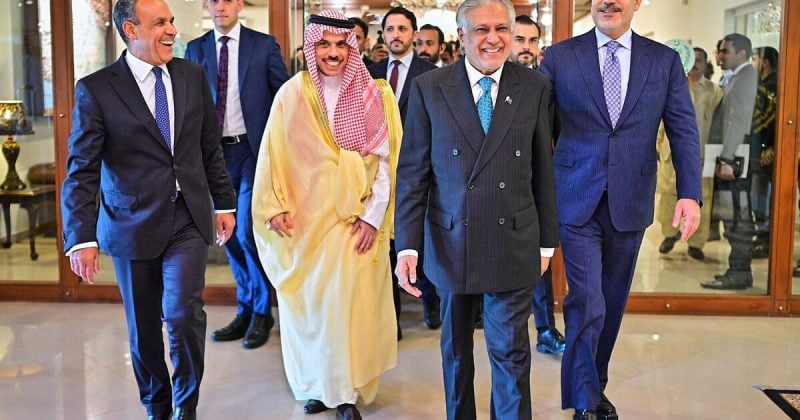
An Iranian official has begun talks with mediators in Pakistan after the interim memorandum of understanding between Tehran and Washington fell apart in mid-July. The deal, which lasted less than a month, was supposed to end over 100 days of intense fighting and reopen one of the most critical chokepoints in global commerce.

What happened to the deal

The US-Iran MOU was signed in mid-June 2026 with two primary objectives: halt hostilities and ease the naval blockade that had effectively shut down the Strait of Hormuz. For context, roughly 20% of the world’s oil supply passes through that 21-mile-wide waterway on any given day.

Advertisement

The agreement collapsed over disagreements about implementation, specifically around traffic management and potential tolls related to the Strait. The breakdown triggered renewed US airstrikes and Iranian retaliatory strikes reported between July 18 and 20. Less than a month from signing to collapse.

Why Pakistan, and why now

Pakistan’s role as a mediator here isn’t random. The country shares a border with Iran and has a long, complicated history of navigating between Tehran and Western powers. It has previously served as a diplomatic back channel when direct communication between the US and Iran wasn’t viable.

The energy market impact is obvious. The crypto angle is more subtle.

The renewed fighting between July 18 and 20 has already rattled crude oil markets, and continued uncertainty around the strait will likely keep energy prices elevated and volatile.

None of the reporting around the deal collapse, the military escalation, or the Pakistan mediation talks mentions cryptocurrency or digital assets in any capacity. This is, at its core, an energy and security story.

Consider the second-order effects. Sustained disruption to the Strait of Hormuz means higher energy costs globally. Higher energy costs mean higher inflation pressure. Higher inflation pressure means central banks stay hawkish for longer.

Disclosure: This article was edited by Editorial Team. For more information on how we create and review content, see our Editorial Policy.

Iran turns to Pakistan for mediation after US deal collapse, and crypto markets are watching the ripple effects

Iran turns to Pakistan for mediation after US deal collapse, and crypto markets are watching the ripple effects

The Strait of Hormuz crisis is primarily an oil story, but geopolitical shockwaves rarely stay in one lane

An Iranian official has begun talks with mediators in Pakistan after the interim memorandum of understanding between Tehran and Washington fell apart in mid-July. The deal, which lasted less than a month, was supposed to end over 100 days of intense fighting and reopen one of the most critical chokepoints in global commerce.

What happened to the deal

The US-Iran MOU was signed in mid-June 2026 with two primary objectives: halt hostilities and ease the naval blockade that had effectively shut down the Strait of Hormuz. For context, roughly 20% of the world’s oil supply passes through that 21-mile-wide waterway on any given day.

Advertisement

The agreement collapsed over disagreements about implementation, specifically around traffic management and potential tolls related to the Strait. The breakdown triggered renewed US airstrikes and Iranian retaliatory strikes reported between July 18 and 20. Less than a month from signing to collapse.

Why Pakistan, and why now

Pakistan’s role as a mediator here isn’t random. The country shares a border with Iran and has a long, complicated history of navigating between Tehran and Western powers. It has previously served as a diplomatic back channel when direct communication between the US and Iran wasn’t viable.

The energy market impact is obvious. The crypto angle is more subtle.

The renewed fighting between July 18 and 20 has already rattled crude oil markets, and continued uncertainty around the strait will likely keep energy prices elevated and volatile.

None of the reporting around the deal collapse, the military escalation, or the Pakistan mediation talks mentions cryptocurrency or digital assets in any capacity. This is, at its core, an energy and security story.

Consider the second-order effects. Sustained disruption to the Strait of Hormuz means higher energy costs globally. Higher energy costs mean higher inflation pressure. Higher inflation pressure means central banks stay hawkish for longer.

Disclosure: This article was edited by Editorial Team. For more information on how we create and review content, see our Editorial Policy.