
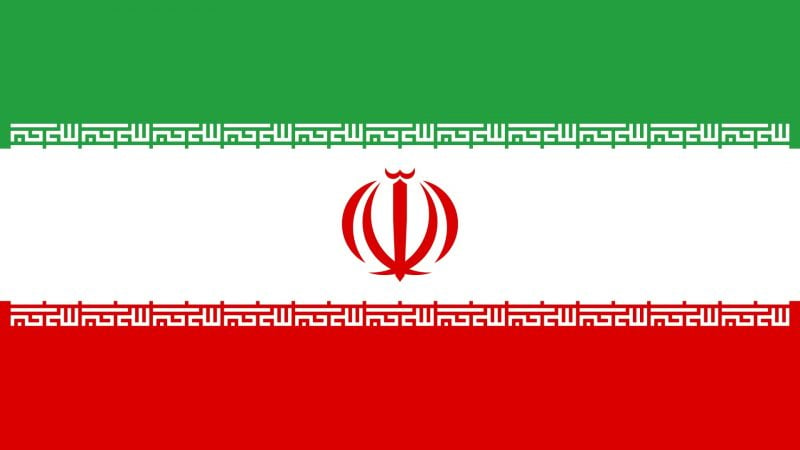
Iran says it has given Trump administration new proposal for peace talks

CryptoBriefing

Iran says it has given Trump administration new proposal for peace talks

US-Iran Hormuz Agreement

Iran has reportedly presented a new proposal to the Trump administration aimed at reopening the Strait of Hormuz and restarting peace talks within a week. This development comes amid ongoing tensions in the region following the resumption of U.S. and Iranian military activities around the strategic waterway. The Strait of Hormuz has been a focal point of the conflict, which began earlier this year, with both nations using it as leverage in their military strategies. Iran’s proposal suggests a potential move toward de-escalation, though it does not necessarily indicate an end to hostilities.

Advertisement

Key Takeaways

  • Iran’s new proposal to the Trump administration appears to suggest a shift toward potential de-escalation in the Strait of Hormuz.
  • Pricing suggests an increased likelihood of a US-Iran agreement restoring normal traffic through the Strait by the end of September.
  • The market’s response indicates participants view the proposal as a significant development, with a noticeable uptick in YES pricing for a Hormuz agreement.

What to Watch

Observers will be closely monitoring statements from key actors such as President Trump and Abbas Araghchi, Iran’s Foreign Minister, for any confirmation or rejection of the proposal. U.S. Central Command’s movements and any naval activities in the Strait will also be critical indicators. A joint U.S.-Iran statement or a formal ceasefire extension would be consistent with a YES outcome for the market, while further military escalations or breakdowns in talks could suggest a NO scenario. Markets will be attentive to updates from Reuters or AP that could further clarify the situation.

Get live prediction-market analysis, powered by Vera. Sign up for Vera.

Disclosure: This article was edited by Estefano Gomez. For more information on how we create and review content, see our Editorial Policy.
Iran says it has given Trump administration new proposal for peace talks

US-Iran Hormuz Agreement

CryptoBriefing

Iran has reportedly presented a new proposal to the Trump administration aimed at reopening the Strait of Hormuz and restarting peace talks within a week. This development comes amid ongoing tensions in the region following the resumption of U.S. and Iranian military activities around the strategic waterway. The Strait of Hormuz has been a focal point of the conflict, which began earlier this year, with both nations using it as leverage in their military strategies. Iran’s proposal suggests a potential move toward de-escalation, though it does not necessarily indicate an end to hostilities.

Advertisement

Key Takeaways

  • Iran’s new proposal to the Trump administration appears to suggest a shift toward potential de-escalation in the Strait of Hormuz.
  • Pricing suggests an increased likelihood of a US-Iran agreement restoring normal traffic through the Strait by the end of September.
  • The market’s response indicates participants view the proposal as a significant development, with a noticeable uptick in YES pricing for a Hormuz agreement.

What to Watch

Observers will be closely monitoring statements from key actors such as President Trump and Abbas Araghchi, Iran’s Foreign Minister, for any confirmation or rejection of the proposal. U.S. Central Command’s movements and any naval activities in the Strait will also be critical indicators. A joint U.S.-Iran statement or a formal ceasefire extension would be consistent with a YES outcome for the market, while further military escalations or breakdowns in talks could suggest a NO scenario. Markets will be attentive to updates from Reuters or AP that could further clarify the situation.

Get live prediction-market analysis, powered by Vera. Sign up for Vera.

Disclosure: This article was edited by Estefano Gomez. For more information on how we create and review content, see our Editorial Policy.