
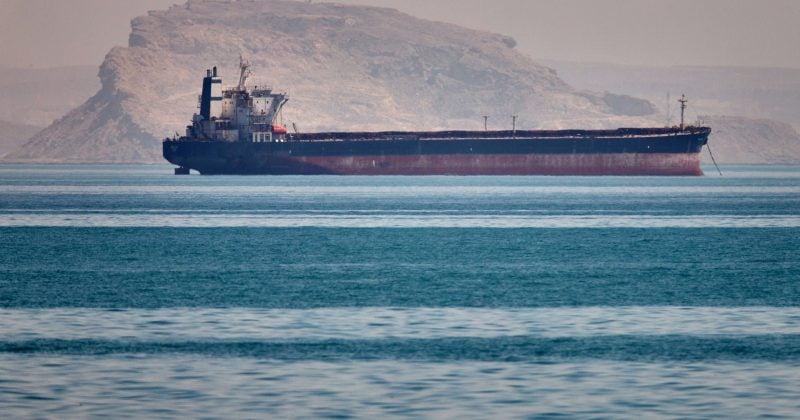
Iran targets UAE tankers with cruise missiles in Strait of Hormuz escalation

https://www.npr.org/2026/05/04/nx-s1-5810508/iran-war-updates

Iran targets UAE tankers with cruise missiles in Strait of Hormuz escalation

Strait of Hormuz traffic normalization

The UAE Defence Ministry reported that two tankers were targeted by Iranian cruise missiles in the southern Strait of Hormuz. The incident marks a significant escalation in the ongoing Strait of Hormuz crisis, where Iran has intermittently blocked the strategic chokepoint since February 2026. This attack is the latest in a series of military actions following a ceasefire between Iran and a US-Israel coalition, which has seen Iran resume offensive measures against commercial vessels. The use of cruise missiles, in contrast to previous drone attacks, suggests a heightened level of military engagement from Iran, raising concerns about further disruptions to maritime trade in the region.

Advertisement

Key Takeaways

  • The targeting of UAE tankers by Iranian cruise missiles appears to indicate increased military tensions in the Strait of Hormuz.
  • Pricing in prediction markets suggests decreased confidence in the normalization of Strait traffic by August 31, with odds currently at 15.5% YES.
  • The escalation may indicate a sustained closure of the Strait, consistent with a NO outcome in the market.

What to Watch

Further developments could hinge on official statements from key Iranian figures like Ayatollah Ali Khamenei or President Masoud Pezeshkian, which might provide clarity on Iran’s intentions regarding the Strait’s closure. A US or international military response could also impact market perceptions, potentially influencing the probability of traffic normalization. Watch for updates on vessel movement and any diplomatic engagements that may indicate a shift toward de-escalation or continued conflict.

Get live prediction-market analysis, powered by Vera. Sign up for Vera.

Disclosure: This article was edited by Estefano Gomez. For more information on how we create and review content, see our Editorial Policy.

Iran targets UAE tankers with cruise missiles in Strait of Hormuz escalation

Iran targets UAE tankers with cruise missiles in Strait of Hormuz escalation

Strait of Hormuz traffic normalization

https://www.npr.org/2026/05/04/nx-s1-5810508/iran-war-updates

The UAE Defence Ministry reported that two tankers were targeted by Iranian cruise missiles in the southern Strait of Hormuz. The incident marks a significant escalation in the ongoing Strait of Hormuz crisis, where Iran has intermittently blocked the strategic chokepoint since February 2026. This attack is the latest in a series of military actions following a ceasefire between Iran and a US-Israel coalition, which has seen Iran resume offensive measures against commercial vessels. The use of cruise missiles, in contrast to previous drone attacks, suggests a heightened level of military engagement from Iran, raising concerns about further disruptions to maritime trade in the region.

Advertisement

Key Takeaways

  • The targeting of UAE tankers by Iranian cruise missiles appears to indicate increased military tensions in the Strait of Hormuz.
  • Pricing in prediction markets suggests decreased confidence in the normalization of Strait traffic by August 31, with odds currently at 15.5% YES.
  • The escalation may indicate a sustained closure of the Strait, consistent with a NO outcome in the market.

What to Watch

Further developments could hinge on official statements from key Iranian figures like Ayatollah Ali Khamenei or President Masoud Pezeshkian, which might provide clarity on Iran’s intentions regarding the Strait’s closure. A US or international military response could also impact market perceptions, potentially influencing the probability of traffic normalization. Watch for updates on vessel movement and any diplomatic engagements that may indicate a shift toward de-escalation or continued conflict.

Get live prediction-market analysis, powered by Vera. Sign up for Vera.

Disclosure: This article was edited by Estefano Gomez. For more information on how we create and review content, see our Editorial Policy.