
Iran-US ceasefire proposal puts Strait of Hormuz oil flows back in focus, and crypto markets are watching the ripple effects

Iran-US ceasefire proposal puts Strait of Hormuz oil flows back in focus, and crypto markets are watching the ripple effects

Mediators from Qatar and Pakistan have proposed a 10-day cessation of strikes to revive a fragile 14-point interim deal, with implications that extend well beyond oil prices.

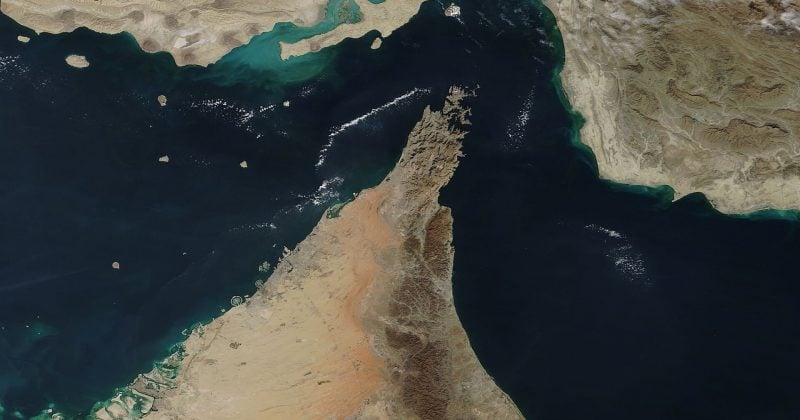
Qatar and Pakistan have proposed a 10-day cessation of military strikes between the US and Iran, an effort to breathe life back into a 14-point interim accord that was supposed to end hostilities and reopen one of the world’s most critical shipping lanes. The Strait of Hormuz, through which roughly a fifth of the world’s oil passes on any given day, has been the geopolitical equivalent of a pressure cooker since US-Israeli military operations against Iran began in February 2026.

The proposal comes as mediators actively contact officials from both sides to set the table for resumed negotiations.

What the interim deal actually says

The original 14-point interim accord was hammered out around May and June 2026. Its core objectives were straightforward: pause the fighting, reestablish shipping through the Strait of Hormuz, and create a framework for broader negotiations.

Advertisement

Indirect technical discussions have since taken place in Doha and Switzerland, with both tracks reportedly showing signs of positive progress as of late June and early July 2026. Qatari diplomats have made visits to Tehran, and key US figures have been involved in the back-channel process.

Sporadic ceasefire violations have continued, and both sides appear to disagree on what the ceasefire terms actually mean. As of July 10, 2026, mediators were still actively working to bring both parties back to the table. The 10-day strike cessation proposal is essentially a reset button designed to rebuild enough trust to make the broader accord functional again.

Why crypto traders should care about a shipping lane

No crypto tokens, protocols, or digital assets have been directly mentioned in any reporting on these talks. The geopolitical drama is firmly centered on oil supply routes and regional stability.

The Strait of Hormuz is a critical artery for global oil transportation. Any sustained disruption there sends oil prices surging, which feeds directly into inflation expectations, which alters the calculus for central bank rate decisions, which moves risk assets like crypto. Higher oil prices mean higher input costs across the economy, translating to stickier inflation, which means central banks keep rates elevated for longer, making speculative assets relatively less attractive compared to yield-bearing instruments.

What investors should actually watch

The cautious optimism from mediators is notable. Conflicting interpretations of ceasefire terms are exactly the kind of ambiguity that has derailed Middle Eastern peace processes historically. The involvement of both Qatar and Pakistan as intermediaries adds diplomatic bandwidth.

For crypto-native investors, oil futures and the DXY dollar index serve as leading indicators. A sharp move in either tends to precede volatility in digital assets by 24 to 48 hours.

Disclosure: This article was edited by Editorial Team. For more information on how we create and review content, see our Editorial Policy.

Iran-US ceasefire proposal puts Strait of Hormuz oil flows back in focus, and crypto markets are watching the ripple effects

Iran-US ceasefire proposal puts Strait of Hormuz oil flows back in focus, and crypto markets are watching the ripple effects

Mediators from Qatar and Pakistan have proposed a 10-day cessation of strikes to revive a fragile 14-point interim deal, with implications that extend well beyond oil prices.

Qatar and Pakistan have proposed a 10-day cessation of military strikes between the US and Iran, an effort to breathe life back into a 14-point interim accord that was supposed to end hostilities and reopen one of the world’s most critical shipping lanes. The Strait of Hormuz, through which roughly a fifth of the world’s oil passes on any given day, has been the geopolitical equivalent of a pressure cooker since US-Israeli military operations against Iran began in February 2026.

The proposal comes as mediators actively contact officials from both sides to set the table for resumed negotiations.

What the interim deal actually says

The original 14-point interim accord was hammered out around May and June 2026. Its core objectives were straightforward: pause the fighting, reestablish shipping through the Strait of Hormuz, and create a framework for broader negotiations.

Advertisement

Indirect technical discussions have since taken place in Doha and Switzerland, with both tracks reportedly showing signs of positive progress as of late June and early July 2026. Qatari diplomats have made visits to Tehran, and key US figures have been involved in the back-channel process.

Sporadic ceasefire violations have continued, and both sides appear to disagree on what the ceasefire terms actually mean. As of July 10, 2026, mediators were still actively working to bring both parties back to the table. The 10-day strike cessation proposal is essentially a reset button designed to rebuild enough trust to make the broader accord functional again.

Why crypto traders should care about a shipping lane

No crypto tokens, protocols, or digital assets have been directly mentioned in any reporting on these talks. The geopolitical drama is firmly centered on oil supply routes and regional stability.

The Strait of Hormuz is a critical artery for global oil transportation. Any sustained disruption there sends oil prices surging, which feeds directly into inflation expectations, which alters the calculus for central bank rate decisions, which moves risk assets like crypto. Higher oil prices mean higher input costs across the economy, translating to stickier inflation, which means central banks keep rates elevated for longer, making speculative assets relatively less attractive compared to yield-bearing instruments.

What investors should actually watch

The cautious optimism from mediators is notable. Conflicting interpretations of ceasefire terms are exactly the kind of ambiguity that has derailed Middle Eastern peace processes historically. The involvement of both Qatar and Pakistan as intermediaries adds diplomatic bandwidth.

For crypto-native investors, oil futures and the DXY dollar index serve as leading indicators. A sharp move in either tends to precede volatility in digital assets by 24 to 48 hours.

Disclosure: This article was edited by Editorial Team. For more information on how we create and review content, see our Editorial Policy.