
Iran warns Strait of Hormuz closure unless US meets demands

CryptoBriefing

Iran warns Strait of Hormuz closure unless US meets demands

US-Iran Hormuz Agreement

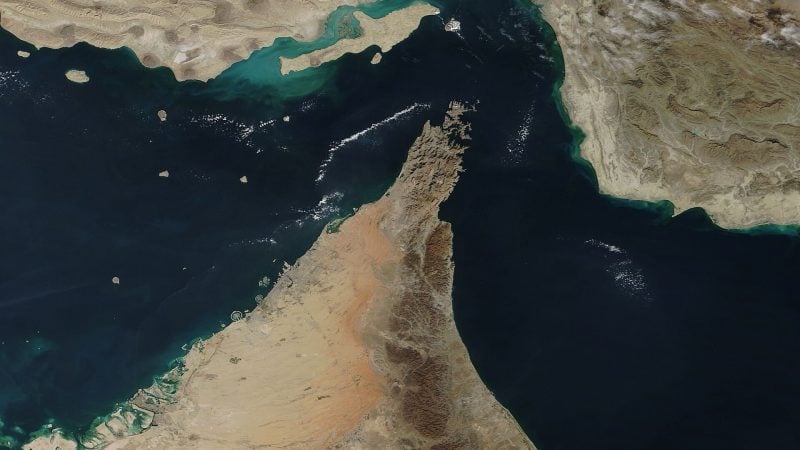
Iran’s General Razai has issued a stark warning that the Strait of Hormuz will remain closed if the United States does not meet Iran’s seven conditions, according to IRIB News. This announcement escalates the ongoing maritime standoff, as the strait is a critical chokepoint for global shipping. The U.S. has been contesting Iran’s closure claims, maintaining its naval presence in the area. The statement further complicates prospects for negotiation, as Razai emphasized that Iran will not engage in talks unless its demands are met. This development is seen as a significant escalation in the U.S.-Iran confrontation over the strategic waterway.

Advertisement

Key Takeaways

  • General Razai’s statement appears to indicate a firm Iranian stance, impacting the likelihood of a US-Iran agreement on the Strait of Hormuz.
  • Market pricing suggests a decrease in confidence for a resolution by the September 30 deadline, with YES odds currently at 7.3%.
  • Recent pricing movements indicate that market participants view the situation as increasingly tense and less conducive to a near-term agreement.

What to Watch

Markets will be closely observing any diplomatic or military developments between the U.S. and Iran that could influence the reopening of the Strait. Key indicators will include statements from Iranian Foreign Minister Abbas Araghchi or U.S. President Donald Trump that could suggest a softening stance or breakthrough. Additionally, reports of vessel movements and maritime enforcement actions in the region will be critical in assessing the likelihood of an agreement by the deadline. Any new threats or escalatory actions could further decrease the probability of a resolution.

Get live prediction-market analysis, powered by Vera. Sign up for Vera.

Disclosure: This article was edited by Estefano Gomez. For more information on how we create and review content, see our Editorial Policy.
Iran warns Strait of Hormuz closure unless US meets demands

US-Iran Hormuz Agreement

CryptoBriefing

Iran’s General Razai has issued a stark warning that the Strait of Hormuz will remain closed if the United States does not meet Iran’s seven conditions, according to IRIB News. This announcement escalates the ongoing maritime standoff, as the strait is a critical chokepoint for global shipping. The U.S. has been contesting Iran’s closure claims, maintaining its naval presence in the area. The statement further complicates prospects for negotiation, as Razai emphasized that Iran will not engage in talks unless its demands are met. This development is seen as a significant escalation in the U.S.-Iran confrontation over the strategic waterway.

Advertisement

Key Takeaways

  • General Razai’s statement appears to indicate a firm Iranian stance, impacting the likelihood of a US-Iran agreement on the Strait of Hormuz.
  • Market pricing suggests a decrease in confidence for a resolution by the September 30 deadline, with YES odds currently at 7.3%.
  • Recent pricing movements indicate that market participants view the situation as increasingly tense and less conducive to a near-term agreement.

What to Watch

Markets will be closely observing any diplomatic or military developments between the U.S. and Iran that could influence the reopening of the Strait. Key indicators will include statements from Iranian Foreign Minister Abbas Araghchi or U.S. President Donald Trump that could suggest a softening stance or breakthrough. Additionally, reports of vessel movements and maritime enforcement actions in the region will be critical in assessing the likelihood of an agreement by the deadline. Any new threats or escalatory actions could further decrease the probability of a resolution.

Get live prediction-market analysis, powered by Vera. Sign up for Vera.

Disclosure: This article was edited by Estefano Gomez. For more information on how we create and review content, see our Editorial Policy.