
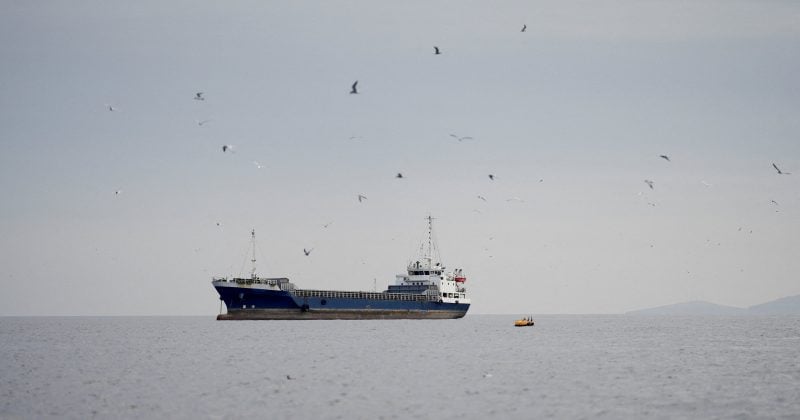
Iran warns US allies of consequences in Strait of Hormuz amid ongoing conflict

https://www.nytimes.com/live/2026/04/13/world/iran-war-trump-news

Iran warns US allies of consequences in Strait of Hormuz amid ongoing conflict

Strait of Hormuz traffic normalization

Iran’s military spokesman announced on Monday that the ongoing conflict will persist until the nation achieves “full deterrence.” This declaration also included a stern warning that countries backing the United States could face repercussions in the strategic Strait of Hormuz. The statement was made amid the five-day war involving Iran, the United States, and Israel, which resumed after a ceasefire breakdown. The conflict has seen intense missile exchanges and airstrikes, with Iran’s naval capabilities reportedly diminished but still active in the region.

The Strait of Hormuz is a critical chokepoint for global oil exports, and Iran’s threats could indicate a shift towards maritime interdiction. This potential escalation could disrupt the flow of oil, impacting global markets. The prediction market for the Strait of Hormuz traffic normalization by August 31 reflects these tensions, with odds of normalization currently priced at 14.5% YES, rising from 10% a day earlier but down from 16% a week ago. The market suggests participants view the situation as increasingly uncertain, consistent with the Iranian spokesman’s remarks.

Advertisement

Iran’s strategy could be leveraging its asymmetric naval assets to challenge U.S.-aligned nations’ support, which has raised concerns over further instability in the region. Observers are closely monitoring developments, as any significant military escalation could further influence market expectations and the geopolitical landscape.

Key Takeaways

  • The Iranian military spokesman’s comments appear to suggest a prolonged conflict until Iran achieves “full deterrence.”
  • Market pricing suggests increased uncertainty regarding the normalization of traffic through the Strait of Hormuz by August 31.
  • Current odds for traffic normalization in the Strait are at 14.5% YES, consistent with potential maritime escalation scenarios.

What to Watch

Key developments to monitor include any official announcements from Iran or the United States that could indicate shifts towards de-escalation or further conflict. An official peace deal or framework for reopening the Strait could be consistent with a YES outcome in the market. Conversely, further military actions or speeches from Iranian leadership reinforcing the blockade stance could support a NO scenario. The situation remains fluid, and markets will be vigilant for any changes in military or diplomatic activity.

Get live prediction-market analysis, powered by Vera. Sign up for Vera.

Disclosure: This article was edited by Estefano Gomez. For more information on how we create and review content, see our Editorial Policy.

Iran warns US allies of consequences in Strait of Hormuz amid ongoing conflict

Iran warns US allies of consequences in Strait of Hormuz amid ongoing conflict

Strait of Hormuz traffic normalization

https://www.nytimes.com/live/2026/04/13/world/iran-war-trump-news

Iran’s military spokesman announced on Monday that the ongoing conflict will persist until the nation achieves “full deterrence.” This declaration also included a stern warning that countries backing the United States could face repercussions in the strategic Strait of Hormuz. The statement was made amid the five-day war involving Iran, the United States, and Israel, which resumed after a ceasefire breakdown. The conflict has seen intense missile exchanges and airstrikes, with Iran’s naval capabilities reportedly diminished but still active in the region.

The Strait of Hormuz is a critical chokepoint for global oil exports, and Iran’s threats could indicate a shift towards maritime interdiction. This potential escalation could disrupt the flow of oil, impacting global markets. The prediction market for the Strait of Hormuz traffic normalization by August 31 reflects these tensions, with odds of normalization currently priced at 14.5% YES, rising from 10% a day earlier but down from 16% a week ago. The market suggests participants view the situation as increasingly uncertain, consistent with the Iranian spokesman’s remarks.

Advertisement

Iran’s strategy could be leveraging its asymmetric naval assets to challenge U.S.-aligned nations’ support, which has raised concerns over further instability in the region. Observers are closely monitoring developments, as any significant military escalation could further influence market expectations and the geopolitical landscape.

Key Takeaways

  • The Iranian military spokesman’s comments appear to suggest a prolonged conflict until Iran achieves “full deterrence.”
  • Market pricing suggests increased uncertainty regarding the normalization of traffic through the Strait of Hormuz by August 31.
  • Current odds for traffic normalization in the Strait are at 14.5% YES, consistent with potential maritime escalation scenarios.

What to Watch

Key developments to monitor include any official announcements from Iran or the United States that could indicate shifts towards de-escalation or further conflict. An official peace deal or framework for reopening the Strait could be consistent with a YES outcome in the market. Conversely, further military actions or speeches from Iranian leadership reinforcing the blockade stance could support a NO scenario. The situation remains fluid, and markets will be vigilant for any changes in military or diplomatic activity.

Get live prediction-market analysis, powered by Vera. Sign up for Vera.

Disclosure: This article was edited by Estefano Gomez. For more information on how we create and review content, see our Editorial Policy.