
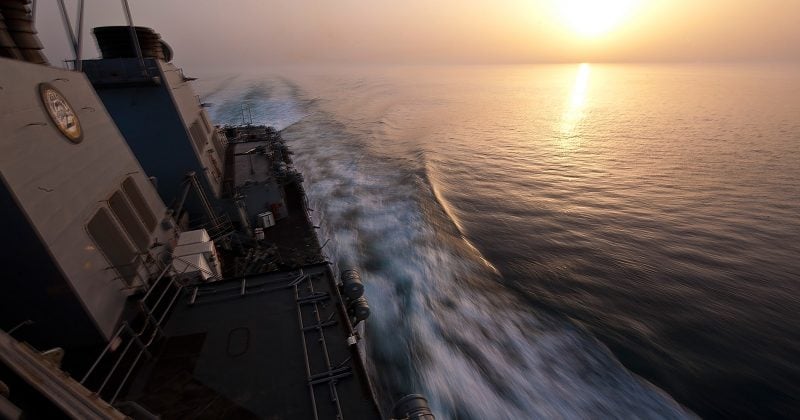
Iran warns US warships over altering routes in the Strait of Hormuz

https://en.wikipedia.org/wiki/Strait_of_Hormuz

Iran warns US warships over altering routes in the Strait of Hormuz

Strait of Hormuz traffic normalization

Iran has issued a warning to the United States, stating it will target American warships that attempt to change shipping routes or maintain a naval blockade in the Strait of Hormuz. This development emerges amid an ongoing maritime standoff between the two nations, which has involved blockades and attacks on shipping to assert control over the strategic passage. The Strait of Hormuz is a crucial chokepoint for global oil shipments, and any further escalation could significantly impact international shipping and oil markets. Market participants seem to view this warning as a key indicator of heightened tensions, which could affect the likelihood of traffic normalization in the region by month-end.

Advertisement

Key Takeaways

  • Iran’s warning appears to indicate an escalation in the U.S.-Iran maritime conflict, suggesting an increased risk of military engagement.
  • Market pricing suggests that the likelihood of the Strait of Hormuz traffic returning to normal by August 31 remains low, currently at 13.5% YES.
  • The warning aligns with a pattern of decreased odds for traffic normalization, consistent with increased tensions and potential disruptions.

What to Watch

Observers will be closely monitoring any movements by U.S. naval forces and potential responses from Iran. Developments such as a confirmed peace deal or a joint press conference could be consistent with a YES outcome for traffic normalization. Conversely, any further military escalation or reaffirmation of the strait’s closure could support a NO outcome. The situation remains fluid, and geopolitical actions in the coming weeks will be critical in shaping market expectations.

Get live prediction-market analysis, powered by Vera. Sign up for Vera.

Disclosure: This article was edited by Estefano Gomez. For more information on how we create and review content, see our Editorial Policy.

Iran warns US warships over altering routes in the Strait of Hormuz

Iran warns US warships over altering routes in the Strait of Hormuz

Strait of Hormuz traffic normalization

https://en.wikipedia.org/wiki/Strait_of_Hormuz

Iran has issued a warning to the United States, stating it will target American warships that attempt to change shipping routes or maintain a naval blockade in the Strait of Hormuz. This development emerges amid an ongoing maritime standoff between the two nations, which has involved blockades and attacks on shipping to assert control over the strategic passage. The Strait of Hormuz is a crucial chokepoint for global oil shipments, and any further escalation could significantly impact international shipping and oil markets. Market participants seem to view this warning as a key indicator of heightened tensions, which could affect the likelihood of traffic normalization in the region by month-end.

Advertisement

Key Takeaways

  • Iran’s warning appears to indicate an escalation in the U.S.-Iran maritime conflict, suggesting an increased risk of military engagement.
  • Market pricing suggests that the likelihood of the Strait of Hormuz traffic returning to normal by August 31 remains low, currently at 13.5% YES.
  • The warning aligns with a pattern of decreased odds for traffic normalization, consistent with increased tensions and potential disruptions.

What to Watch

Observers will be closely monitoring any movements by U.S. naval forces and potential responses from Iran. Developments such as a confirmed peace deal or a joint press conference could be consistent with a YES outcome for traffic normalization. Conversely, any further military escalation or reaffirmation of the strait’s closure could support a NO outcome. The situation remains fluid, and geopolitical actions in the coming weeks will be critical in shaping market expectations.

Get live prediction-market analysis, powered by Vera. Sign up for Vera.

Disclosure: This article was edited by Estefano Gomez. For more information on how we create and review content, see our Editorial Policy.