
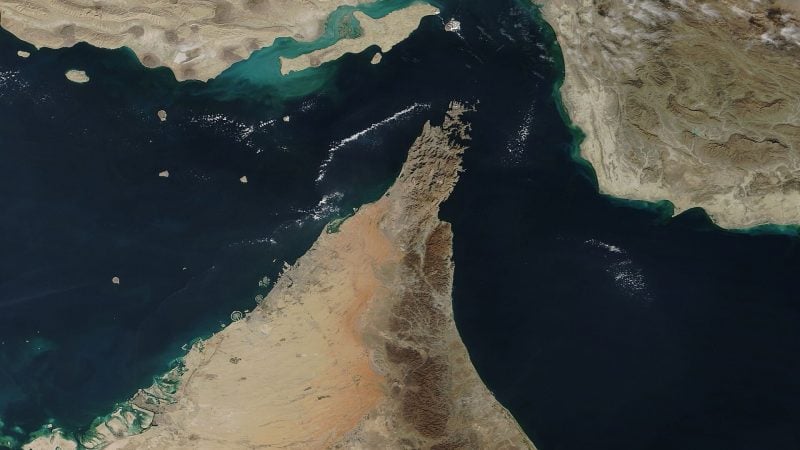
The Wall Street Journal has reported a decrease in Tehran’s ability to leverage the Strait of Hormuz, which could increase the risk of military conflict. This development is said to diminish Iran’s potential to disrupt oil flow through the vital maritime passage, a significant geopolitical tool for Tehran. The report highlights that the flow of oil from the strait and alternative routes has returned to 80% of pre-conflict levels. This change indicates a reduced impact of Iran’s maritime disruptions, potentially affecting Tehran’s political leverage.
Key Takeaways
- The Wall Street Journal report suggests that Iran’s reduced ability to affect oil passage through the Strait of Hormuz may lead to increased geopolitical tension.
- Market pricing appears consistent with a higher perceived risk of President Masoud Pezeshkian’s potential departure due to increased instability.
- The odds of Pezeshkian being out by December 31 have slightly increased, reflecting heightened market attention to the evolving situation.
What to Watch
Markets will be closely monitoring any official statements from Iranian leadership, particularly from Masoud Pezeshkian, Ayatollah Ali Khamenei, and the IRGC, regarding their stance on the current geopolitical tensions. Developments such as public criticism by Pezeshkian of IRGC actions, or statements from hardline media outlets, could further influence the market’s view on the likelihood of Pezeshkian’s departure. Additionally, any moves by international actors that increase pressure on Iran’s leadership may also affect market dynamics.