
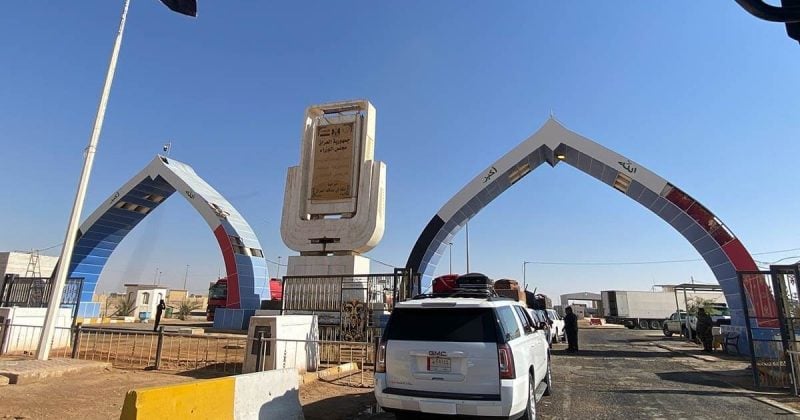
Iraq-Kuwait border crossing attacked as explosions rock oil-rich region during diplomatic visit
Drone strikes and explosions near critical oil infrastructure highlight escalating Middle East tensions with direct implications for energy markets and crypto safe-haven flows.
Explosions rocked the Iraq-Kuwait border crossing near some of the world’s most productive oil fields. The timing could hardly be worse: Iraqi Prime Minister Ali al-Zaidi is currently in Tehran for a diplomatic visit scheduled from July 22 to 24, 2026, aimed at finalizing trade agreements including gas import deals.
The blasts were audible as far as Basra, Iraq’s southern oil hub. Border crossings like Safwan were temporarily shut down.
What happened at the border
Kuwait intercepted 32 hostile drones around July 17, with projectiles striking border areas and triggering the explosions now dominating regional news cycles. No significant casualties were reported from the July incidents, and, critically, no immediate disruptions to oil production have been confirmed.
This isn’t an isolated event. Back in April 2026, two explosive-laden drones struck Kuwait’s northern border posts, causing material damage but no casualties. That earlier attack was treated as a one-off provocation. The July strikes, involving 32 intercepted drones, suggest something more systematic.
The border activity fits into a broader pattern of Iranian strikes against US assets and Kuwaiti targets. The fact that Iraq’s prime minister happened to be en route to Tehran for energy negotiations when the explosions occurred adds a layer of diplomatic complexity.
The news moving money, markets, and the world—before your day starts.
Daily. Free. Join 34,000+ readers across crypto, finance, and policy.
The Tehran angle
Prime Minister al-Zaidi’s Tehran visit was supposed to be about gas imports and trade normalization. Iraq has long relied on Iranian natural gas to power its electricity grid, a dependency that Washington has grudgingly tolerated through a series of sanctions waivers.
Iraq’s leader sits in Tehran discussing energy cooperation while drones are hitting the Kuwait border in attacks linked to broader Iranian military activity. Whether Tehran directly orchestrated the border strikes or whether they originated from proxy forces operating with varying degrees of autonomy is the kind of question that rarely gets a clean answer in this region.
The temporary halt of border crossings like Safwan also matters for trade finance. Cross-border commerce between Iraq and Kuwait relies on physical logistics corridors that, when disrupted, push merchants toward alternative settlement methods.
The fact that no oil production disruptions have been reported yet is reassuring. The fact that 32 drones were fired at a border crossing near oil fields is decidedly not.