
IRS improves detection of crypto tax mistakes for investors

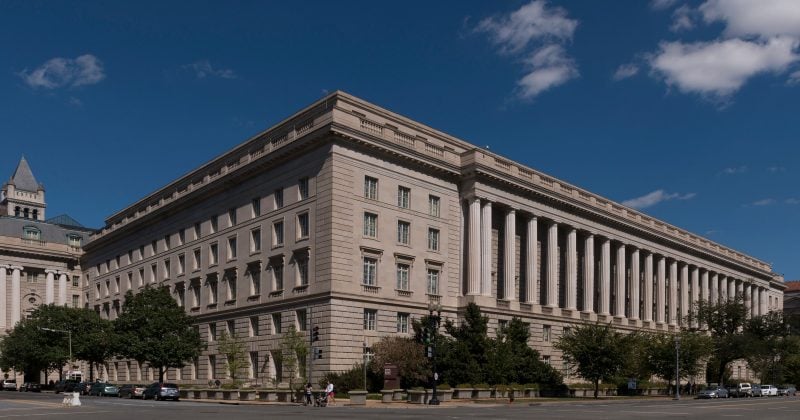
Photo: Photographer: Carol M. Highsmith / en.wikipedia.org

IRS improves detection of crypto tax mistakes for investors

New Form 1099-DA reporting requirements mean the IRS will soon be able to match your crypto trades against your tax return, just like it does with stocks

Starting January 1, 2025, custodial brokers, think centralized exchanges like Coinbase and Kraken, are required to begin collecting data for a brand new tax form: the 1099-DA. The IRS will receive those forms during the 2026 filing season, giving the agency the same kind of data-matching firepower it has long wielded over your stock trades and bank interest.

What’s actually changing

The new reporting framework traces back to the Infrastructure Investment and Jobs Act of 2021. Final Treasury and IRS regulations were released in July 2024, laying out exactly how this would work. The short version: centralized exchanges and custodians must issue Form 1099-DA to report gross proceeds from digital asset transactions.

The rollout is phased. For 2025 transactions, brokers only need to report gross proceeds. Cost basis reporting, the number that determines your actual gain or loss, won’t be mandatory until qualifying 2026 transactions. That’s a meaningful gap.

It means that for the 2026 filing season, taxpayers will be responsible for calculating and reconciling their own cost basis.

Advertisement

Why this matters for crypto investors

The IRS has classified digital assets as property since Notice 2014-21. Every sale, swap, or exchange creates a taxable event. What’s new is enforcement infrastructure.

Platforms like Coinbase are reportedly preparing to issue millions of these forms, transforming crypto tax reporting from a patchwork system into something that resembles traditional securities oversight.

A February 17, 2026 deadline has been established for many 2025 forms. The IRS has also indicated it will send reminders early in the year to ensure both brokers and taxpayers are aware of the new requirements.

One important caveat: decentralized brokers are currently exempt from these reporting requirements. If you’re trading on decentralized exchanges, the IRS won’t be receiving a 1099-DA for those transactions. But that doesn’t mean those trades aren’t taxable.

Penalty relief and the transition period

The IRS has indicated it will offer penalty relief for brokers making good-faith efforts to report accurate figures for 2025 transactions. The relief is aimed at brokers, not individual taxpayers who underreport their income.

Experts warn that the systematized detection of unreported proceeds will begin to resemble the oversight applied to traditional securities. Once the IRS has gross proceeds data flowing in from major exchanges, any discrepancy between what a broker reports and what a taxpayer claims becomes an automatic red flag.

Cost basis reporting starting with 2026 transactions will tighten the net even further. At that point, the IRS will have both sides of the equation: what you received and what you paid.

Disclosure: This article was edited by Editorial Team. For more information on how we create and review content, see our Editorial Policy.

IRS improves detection of crypto tax mistakes for investors

IRS improves detection of crypto tax mistakes for investors

New Form 1099-DA reporting requirements mean the IRS will soon be able to match your crypto trades against your tax return, just like it does with stocks

Photo: Photographer: Carol M. Highsmith / en.wikipedia.org

Starting January 1, 2025, custodial brokers, think centralized exchanges like Coinbase and Kraken, are required to begin collecting data for a brand new tax form: the 1099-DA. The IRS will receive those forms during the 2026 filing season, giving the agency the same kind of data-matching firepower it has long wielded over your stock trades and bank interest.

What’s actually changing

The new reporting framework traces back to the Infrastructure Investment and Jobs Act of 2021. Final Treasury and IRS regulations were released in July 2024, laying out exactly how this would work. The short version: centralized exchanges and custodians must issue Form 1099-DA to report gross proceeds from digital asset transactions.

The rollout is phased. For 2025 transactions, brokers only need to report gross proceeds. Cost basis reporting, the number that determines your actual gain or loss, won’t be mandatory until qualifying 2026 transactions. That’s a meaningful gap.

It means that for the 2026 filing season, taxpayers will be responsible for calculating and reconciling their own cost basis.

Advertisement

Why this matters for crypto investors

The IRS has classified digital assets as property since Notice 2014-21. Every sale, swap, or exchange creates a taxable event. What’s new is enforcement infrastructure.

Platforms like Coinbase are reportedly preparing to issue millions of these forms, transforming crypto tax reporting from a patchwork system into something that resembles traditional securities oversight.

A February 17, 2026 deadline has been established for many 2025 forms. The IRS has also indicated it will send reminders early in the year to ensure both brokers and taxpayers are aware of the new requirements.

One important caveat: decentralized brokers are currently exempt from these reporting requirements. If you’re trading on decentralized exchanges, the IRS won’t be receiving a 1099-DA for those transactions. But that doesn’t mean those trades aren’t taxable.

Penalty relief and the transition period

The IRS has indicated it will offer penalty relief for brokers making good-faith efforts to report accurate figures for 2025 transactions. The relief is aimed at brokers, not individual taxpayers who underreport their income.

Experts warn that the systematized detection of unreported proceeds will begin to resemble the oversight applied to traditional securities. Once the IRS has gross proceeds data flowing in from major exchanges, any discrepancy between what a broker reports and what a taxpayer claims becomes an automatic red flag.

Cost basis reporting starting with 2026 transactions will tighten the net even further. At that point, the IRS will have both sides of the equation: what you received and what you paid.

Disclosure: This article was edited by Editorial Team. For more information on how we create and review content, see our Editorial Policy.