
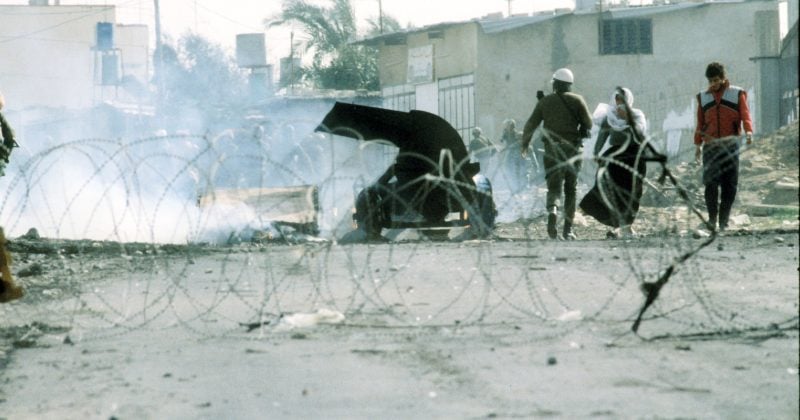
Israeli drone strike hits Moasi area in southern Gaza amid ongoing conflict

https://commons.wikimedia.org/wiki/Category:Gaza_Strip

Israeli drone strike hits Moasi area in southern Gaza amid ongoing conflict

Israel airspace closure

An Israeli drone strike has hit the Moasi area of Khan Younis in the southern Gaza Strip, according to reports from @FirstSquawk. This incident is part of the ongoing Israel–Hamas conflict, where military engagements continue despite reports of a ceasefire. The Moasi area, known as a designated safe zone for displaced Palestinians, has been a frequent target of such strikes, raising significant concerns about civilian safety. The strike represents ongoing kinetic activity rather than a shift towards diplomatic efforts.

Advertisement

Key Takeaways

  • Market behavior suggests the Israeli drone strike in Gaza could increase concerns about regional security, influencing the likelihood of Israeli airspace closure.
  • Current pricing in the Israel airspace closure market has decreased to a 13% YES probability, down from 22% just 24 hours ago.
  • The ongoing military actions in Gaza, especially in civilian-designated areas, appear consistent with scenarios where Israeli airspace could close if the situation escalates further.

What to Watch

Observers are closely monitoring any official statements from Israeli authorities, particularly the Ministry of Transport and the Civil Aviation Authority, as these could impact market perceptions of airspace closure. Key figures such as Miri Regev and Shmuel Zakay may provide indications of future actions. Additional strikes or regional tensions, particularly involving Iran, could further influence the airspace closure market. An official warning or notice from international aviation bodies such as EASA could also be a critical factor in market movements.

Get live prediction-market analysis, powered by Vera. Sign up for Vera.

Disclosure: This article was edited by Estefano Gomez. For more information on how we create and review content, see our Editorial Policy.

Israeli drone strike hits Moasi area in southern Gaza amid ongoing conflict

Israeli drone strike hits Moasi area in southern Gaza amid ongoing conflict

Israel airspace closure

https://commons.wikimedia.org/wiki/Category:Gaza_Strip

An Israeli drone strike has hit the Moasi area of Khan Younis in the southern Gaza Strip, according to reports from @FirstSquawk. This incident is part of the ongoing Israel–Hamas conflict, where military engagements continue despite reports of a ceasefire. The Moasi area, known as a designated safe zone for displaced Palestinians, has been a frequent target of such strikes, raising significant concerns about civilian safety. The strike represents ongoing kinetic activity rather than a shift towards diplomatic efforts.

Advertisement

Key Takeaways

  • Market behavior suggests the Israeli drone strike in Gaza could increase concerns about regional security, influencing the likelihood of Israeli airspace closure.
  • Current pricing in the Israel airspace closure market has decreased to a 13% YES probability, down from 22% just 24 hours ago.
  • The ongoing military actions in Gaza, especially in civilian-designated areas, appear consistent with scenarios where Israeli airspace could close if the situation escalates further.

What to Watch

Observers are closely monitoring any official statements from Israeli authorities, particularly the Ministry of Transport and the Civil Aviation Authority, as these could impact market perceptions of airspace closure. Key figures such as Miri Regev and Shmuel Zakay may provide indications of future actions. Additional strikes or regional tensions, particularly involving Iran, could further influence the airspace closure market. An official warning or notice from international aviation bodies such as EASA could also be a critical factor in market movements.

Get live prediction-market analysis, powered by Vera. Sign up for Vera.

Disclosure: This article was edited by Estefano Gomez. For more information on how we create and review content, see our Editorial Policy.