Japan’s FSA launches dedicated crypto division on Friday, signaling regulatory overhaul
Via geminigr.com
The new Cryptocurrency and Stablecoin Division consolidates fragmented oversight and arrives alongside penalties of up to 10 years in prison for unregistered operators.
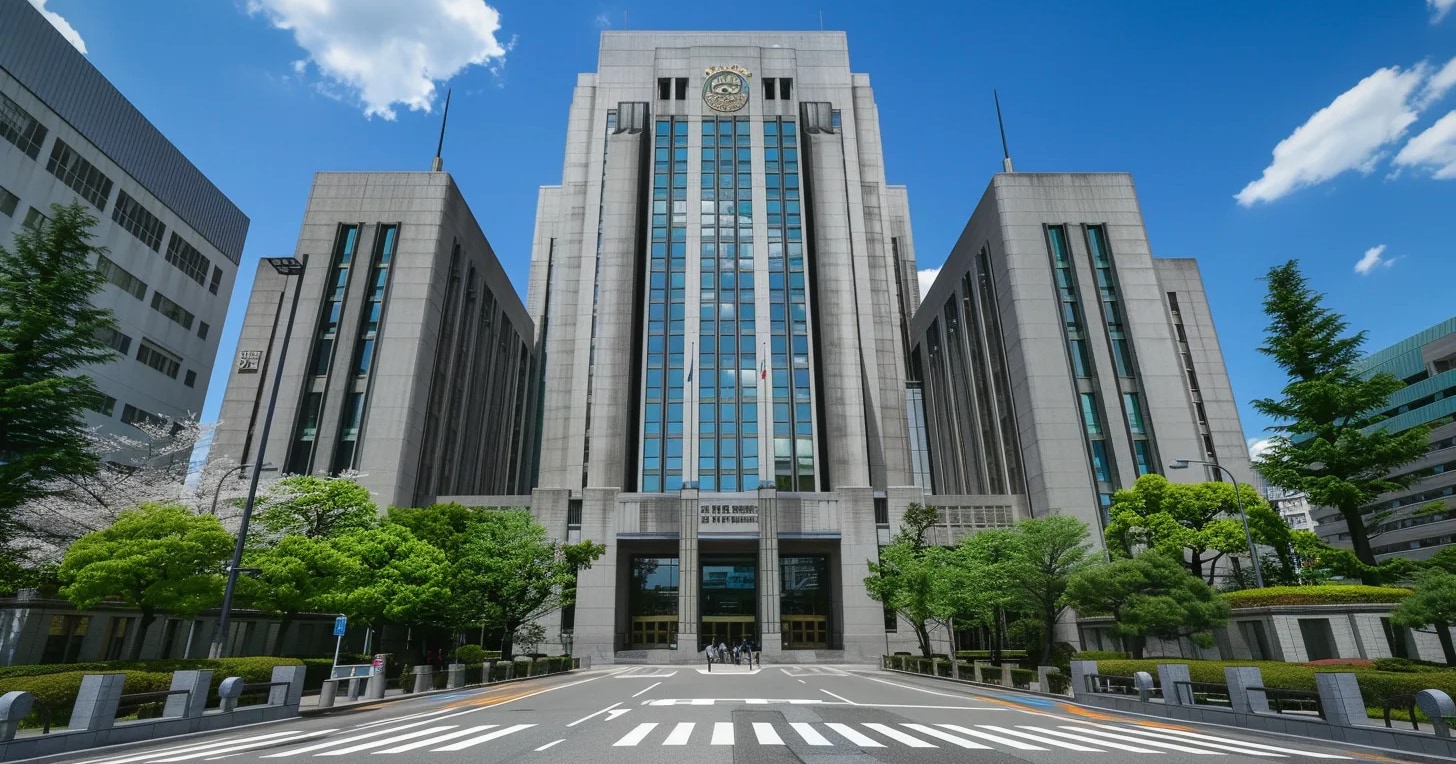
Japan’s Financial Services Agency is doing something most regulators only talk about: building an entire division around crypto from scratch. The new Cryptocurrency and Stablecoin Division goes live on August 7, 2026, two days after the FSA formally announced its creation on August 5, 2026. Think of it as Japan taking all the scattered crypto oversight desks hiding in various bureaucratic corners and welding them into a single, purpose-built regulatory machine.
What the new division actually does
Previously, crypto regulation in Japan was split across multiple FSA offices, each handling a slice of the puzzle without a unified playbook. The new division consolidates those functions under one roof, absorbing the existing Cryptocurrency Monitoring Office and spinning up two additional units: an Innovation Promotion Office and a Digital Payment Planning Office.
The restructuring isn’t just an org chart exercise. It arrives alongside substantive legal changes. Japan’s Financial Instruments and Exchange Act has been updated to reclassify crypto assets as financial instruments. Reclassifying crypto as a financial instrument triggers insider trading rules, disclosure requirements, and compliance obligations that previously didn’t apply to digital asset markets in Japan.
The penalties have teeth
The new regulatory framework comes with enforcement provisions designed to make unregistered operators think twice. Maximum penalties for running an unregistered crypto operation now reach up to 10 years in prison and fines of up to 10 million yen.
The FSA has already been flexing its enforcement muscles ahead of the division’s launch. Bitget, a major global crypto exchange, recently ceased operations in Japan after facing pressure over its registration status.
The news moving money, markets, and the world—before your day starts.
Daily. Free. Join 34,000+ readers across crypto, finance, and policy.
ETFs, tax reform, and the bigger picture
The FSA is preparing to explore the introduction of crypto investment trusts and potentially crypto ETFs, products that would let mainstream investors gain exposure to digital assets through regulated vehicles.
On the tax front, broader reforms may introduce a 20% tax rate on crypto gains with loss carry-forward provisions by 2028. Currently, Japanese crypto investors can face income tax rates as high as 55% on their gains. A flat 20% rate would align crypto taxation with how Japan taxes traditional securities profits.
Japan has a complicated history with crypto. The country was an early global hub for Bitcoin trading, then suffered the devastating Mt. Gox hack in 2014 and the Coincheck hack in 2018, both of which prompted waves of regulatory tightening. Since the introduction of registration requirements for cryptocurrency exchanges in 2017 and the implementation of stablecoin regulations in 2023, Japan has developed one of the most comprehensive regulatory frameworks for digital assets in Asia.
Disclosure: This article was edited by Editorial Team. For more information on how we create and review content, see our Editorial Policy.