
JPMorgan admits it cannot forecast oil prices as US-Iran conflict upends energy markets

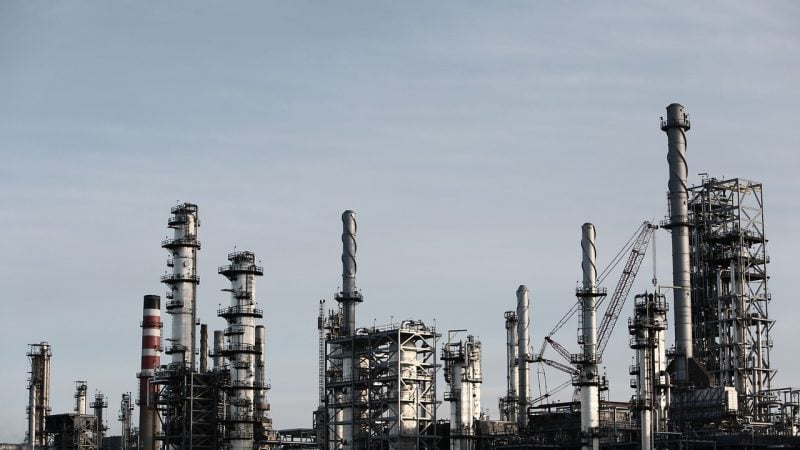
Photo: Life Of Pix / Pexels

JPMorgan admits it cannot forecast oil prices as US-Iran conflict upends energy markets

The bank's analysts say they have no baseline outlook for crude, a rare admission that traditional models have broken down amid the worst geopolitical supply shock in decades

One of the world’s most influential commodity desks just threw up its hands. On September 17, JPMorgan’s oil analysts told clients they have no baseline price forecast for crude, citing the prolonged US-Iran conflict that has scrambled every model they rely on.

“We simply don’t know how to model the endgame,” the analysts wrote.

The numbers behind the chaos

The US-Iran war, which began in early March 2026, has hammered global energy infrastructure in ways that even worst-case scenario planners struggled to anticipate. A ceasefire deal reached in June collapsed shortly after, removing the last diplomatic guardrail from the conflict.

Advertisement

The Strait of Hormuz, that narrow chokepoint through which roughly 20% of the world’s oil flows, has been severely disrupted. Supply losses tied to tanker traffic restrictions are estimated at approximately 10 million barrels per day.

And yet, prices haven’t behaved the way textbooks predict. Brent crude has averaged around $94 per barrel since fighting began. In mid-September, spot prices traded between $103 and $106. The reason prices haven’t gone vertical is the other side of the equation: demand destruction. Global oil consumption is running about 4.4 million barrels per day below year-ago levels.

JPMorgan pegs the fair value of Brent at around $90 per barrel. Spot prices sitting near $106 represent a significant war premium, roughly $16 per barrel of geopolitical risk priced in.

Why traditional indicators aren’t working

JPMorgan’s analysts noted that several economic indicators, ones that historically forced policymakers toward negotiating tables, have been flashing red for months without producing results. Brent crude above $100 per barrel. US gasoline prices near $5 per gallon. The 10-year US Treasury yield surpassing 5%.

Diesel prices in the US have climbed past $6 per gallon. Inventory levels have dropped to historic lows, leaving almost no buffer if supply disruptions worsen or if a cold winter arrives and heating demand surges.

Disclosure: This article was edited by Editorial Team. For more information on how we create and review content, see our Editorial Policy.
JPMorgan admits it cannot forecast oil prices as US-Iran conflict upends energy markets

The bank's analysts say they have no baseline outlook for crude, a rare admission that traditional models have broken down amid the worst geopolitical supply shock in decades

Photo: Life Of Pix / Pexels

One of the world’s most influential commodity desks just threw up its hands. On September 17, JPMorgan’s oil analysts told clients they have no baseline price forecast for crude, citing the prolonged US-Iran conflict that has scrambled every model they rely on.

“We simply don’t know how to model the endgame,” the analysts wrote.

The numbers behind the chaos

The US-Iran war, which began in early March 2026, has hammered global energy infrastructure in ways that even worst-case scenario planners struggled to anticipate. A ceasefire deal reached in June collapsed shortly after, removing the last diplomatic guardrail from the conflict.

Advertisement

The Strait of Hormuz, that narrow chokepoint through which roughly 20% of the world’s oil flows, has been severely disrupted. Supply losses tied to tanker traffic restrictions are estimated at approximately 10 million barrels per day.

And yet, prices haven’t behaved the way textbooks predict. Brent crude has averaged around $94 per barrel since fighting began. In mid-September, spot prices traded between $103 and $106. The reason prices haven’t gone vertical is the other side of the equation: demand destruction. Global oil consumption is running about 4.4 million barrels per day below year-ago levels.

JPMorgan pegs the fair value of Brent at around $90 per barrel. Spot prices sitting near $106 represent a significant war premium, roughly $16 per barrel of geopolitical risk priced in.

Why traditional indicators aren’t working

JPMorgan’s analysts noted that several economic indicators, ones that historically forced policymakers toward negotiating tables, have been flashing red for months without producing results. Brent crude above $100 per barrel. US gasoline prices near $5 per gallon. The 10-year US Treasury yield surpassing 5%.

Diesel prices in the US have climbed past $6 per gallon. Inventory levels have dropped to historic lows, leaving almost no buffer if supply disruptions worsen or if a cold winter arrives and heating demand surges.

Disclosure: This article was edited by Editorial Team. For more information on how we create and review content, see our Editorial Policy.