
Kuwait intercepts Iranian drones as Middle East conflict rattles oil markets and safe-haven trades

Via mei.edu

Kuwait intercepts Iranian drones as Middle East conflict rattles oil markets and safe-haven trades

The Gulf state's military has shot down hundreds of drones and missiles since hostilities escalated, sending ripple effects through energy and crypto markets alike.

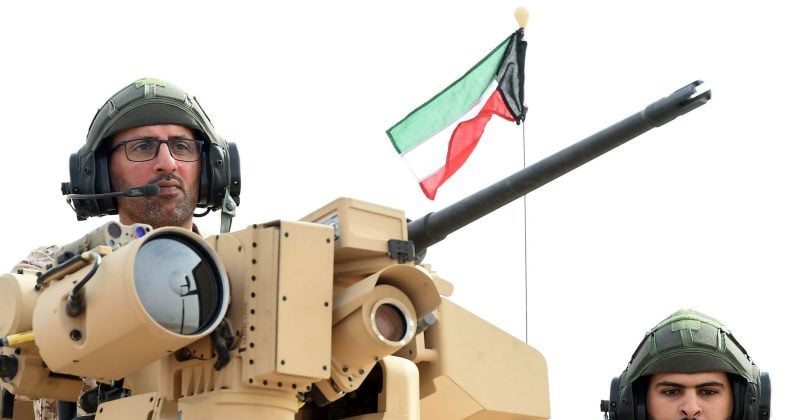
Kuwait’s armed forces shot down Iranian drones that entered the country’s airspace, causing material damage on the ground and adding another volatile chapter to a regional conflict that is starting to reshape how investors think about risk assets, energy pricing, and the role of crypto as a geopolitical hedge.

The interception is part of a much larger pattern. Kuwait has now intercepted a total of 97 missiles and 283 drones since the conflict with Iran escalated. In one particularly intense episode on June 3, 2026, Kuwaiti forces took down 28 drones in a single wave attack. That same day, Kuwait International Airport sustained heavy damage, resulting in one fatality and dozens of injuries.

Advertisement

A conflict with escalating stakes

Iran’s drone and missile campaigns have primarily targeted US military installations inside Kuwait, including Ali Al-Salem Air Base and Camp Udairi. The logic, from Tehran’s perspective, is straightforward: hit American forward-deployed assets without directly engaging US naval or air power. Kuwait, which hosts these bases under longstanding defense agreements, has become the unwilling middleman in a confrontation it didn’t seek.

The human cost is already real. Multiple drone interceptions earlier in March 2026 resulted in injuries to Kuwaiti soldiers. Civilian infrastructure hasn’t been spared either. The airport strike alone forced closures and disrupted commercial aviation across the Gulf, with neighboring Bahrain activating air raid measures as a precaution.

What this means for crypto investors

The second channel is sanctions and financial infrastructure. If the Iran-US confrontation deepens, expect new rounds of economic sanctions targeting Iranian entities and potentially their trading partners. Historically, sanctions regimes have driven some volume toward crypto as sanctioned parties seek alternative payment rails. The 2022 Russian sanctions playbook showed both the potential and the limits of this dynamic. Regulators were fast to crack down on exchanges facilitating sanctioned flows, but the demand signal was real.

For traders positioning around geopolitical risk, the playbook hasn’t changed much. Energy exposure remains the most direct hedge. Bitcoin’s correlation to geopolitical events remains inconsistent, making it an unreliable short-term hedge but a potentially interesting long-term diversification play if the conflict reshapes regional financial architecture.

Disclosure: This article was edited by Editorial Team. For more information on how we create and review content, see our Editorial Policy.

Kuwait intercepts Iranian drones as Middle East conflict rattles oil markets and safe-haven trades

Kuwait intercepts Iranian drones as Middle East conflict rattles oil markets and safe-haven trades

The Gulf state's military has shot down hundreds of drones and missiles since hostilities escalated, sending ripple effects through energy and crypto markets alike.

Via mei.edu

Kuwait’s armed forces shot down Iranian drones that entered the country’s airspace, causing material damage on the ground and adding another volatile chapter to a regional conflict that is starting to reshape how investors think about risk assets, energy pricing, and the role of crypto as a geopolitical hedge.

The interception is part of a much larger pattern. Kuwait has now intercepted a total of 97 missiles and 283 drones since the conflict with Iran escalated. In one particularly intense episode on June 3, 2026, Kuwaiti forces took down 28 drones in a single wave attack. That same day, Kuwait International Airport sustained heavy damage, resulting in one fatality and dozens of injuries.

Advertisement

A conflict with escalating stakes

Iran’s drone and missile campaigns have primarily targeted US military installations inside Kuwait, including Ali Al-Salem Air Base and Camp Udairi. The logic, from Tehran’s perspective, is straightforward: hit American forward-deployed assets without directly engaging US naval or air power. Kuwait, which hosts these bases under longstanding defense agreements, has become the unwilling middleman in a confrontation it didn’t seek.

The human cost is already real. Multiple drone interceptions earlier in March 2026 resulted in injuries to Kuwaiti soldiers. Civilian infrastructure hasn’t been spared either. The airport strike alone forced closures and disrupted commercial aviation across the Gulf, with neighboring Bahrain activating air raid measures as a precaution.

What this means for crypto investors

The second channel is sanctions and financial infrastructure. If the Iran-US confrontation deepens, expect new rounds of economic sanctions targeting Iranian entities and potentially their trading partners. Historically, sanctions regimes have driven some volume toward crypto as sanctioned parties seek alternative payment rails. The 2022 Russian sanctions playbook showed both the potential and the limits of this dynamic. Regulators were fast to crack down on exchanges facilitating sanctioned flows, but the demand signal was real.

For traders positioning around geopolitical risk, the playbook hasn’t changed much. Energy exposure remains the most direct hedge. Bitcoin’s correlation to geopolitical events remains inconsistent, making it an unreliable short-term hedge but a potentially interesting long-term diversification play if the conflict reshapes regional financial architecture.

Disclosure: This article was edited by Editorial Team. For more information on how we create and review content, see our Editorial Policy.