
Morocco prepares to co-host 2030 World Cup amid £17B costs, raising questions about crypto sports infrastructure
The North African nation is betting big on infrastructure and digital innovation, with blockchain integration and fan token markets lurking in the background of a massive spending spree
Morocco is about to spend the equivalent of nearly 12% of its GDP on football.
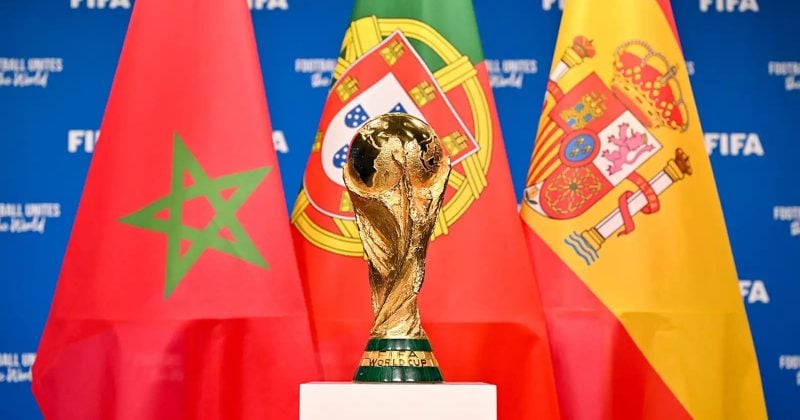
The North African nation is gearing up to co-host the 2030 FIFA World Cup alongside Spain and Portugal, with centenary matches also planned in Argentina, Paraguay, and Uruguay. The total infrastructure price tag for Morocco’s share of the tournament: £17 billion.
The stadium arms race and what it actually costs
At the centerpiece of Morocco’s preparations sits a planned 115,000-capacity stadium near Casablanca. The direct football-related investment alone is estimated between 50 billion and 60 billion Moroccan dirhams, which translates to approximately £4 billion to £4.8 billion.
The remaining billions flow into the broader infrastructure web: roads, transit systems, hospitality, and the connective tissue that makes hosting a month-long global event possible rather than catastrophic.
The IMF has flagged that the accelerated spending planned from 2024 to 2030 could amount to 11.9% of Morocco’s GDP in 2024 terms.
Morocco has tried to land the World Cup before. The country bid unsuccessfully in 1994, 2006, 2010, and 2026.
The news moving money, markets, and the world—before your day starts.
Daily. Free. Join 34,000+ readers across crypto, finance, and policy.
Morocco is also hosting the 2025 Africa Cup of Nations, which serves as both a dress rehearsal and an additional drain on the same construction pipeline.
Where blockchain and crypto enter the picture
Morocco’s “Digital Morocco 2030” initiative includes plans to integrate blockchain technology into government services, aligning directly with the World Cup preparation window.
FIFA itself has been moving in this direction. The organization’s partnerships with blockchain firms, including Algorand, signal a broader trend toward crypto integration in global football.
No specific crypto tokens have been directly tied to Morocco’s 2030 hosting plans in recent discussions. Reports from mid-2026 indicate that Morocco’s 2026 World Cup results boosted engagement in crypto sports platforms, continuing a pattern established after Morocco’s semifinal run at the 2022 World Cup.
The sustainability question investors should watch
Morocco is making a massive infrastructure bet at a time when its citizens have been publicly protesting about national priorities like health and education spending. The IMF’s caution about sustainability concerns whether a country can justify building a 115,000-seat stadium while other public services face funding gaps.
Mega-event infrastructure spending has a long history of producing white elephant stadiums and debt hangovers. Brazil’s 2014 World Cup venues became cautionary tales almost before the final whistle blew. Qatar’s 2022 spending reached approximately $220 billion by some estimates.
Morocco is the least wealthy of the three co-hosts. Spain and Portugal bring mature economies and existing infrastructure. Morocco is building from a significantly lower base.