
Nippon Life targets $13B in US data center financing as AI infrastructure demand surges
Japan's largest life insurer is betting big on American AI infrastructure, chasing yields that dwarf what's available at home
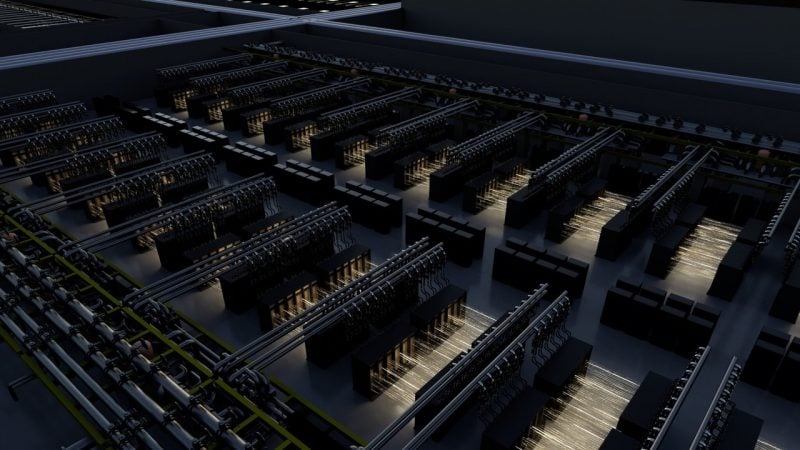
Japan’s largest life insurer is about to become one of the biggest financiers of American data centers. Nippon Life Insurance plans to allocate roughly 2 trillion yen, approximately $13 billion, toward infrastructure financing with a heavy emphasis on US data center construction.
The deal structure and why it matters
Nippon Life isn’t buying data centers outright. The insurer is providing project finance, a structure where loan repayment comes directly from the cash flows generated by the projects themselves rather than from a corporate borrower’s balance sheet.
The expected returns make the strategy easy to understand. US data center project finance is projected to offer average spreads exceeding 2%, a figure that comfortably outpaces what comparable domestic Japanese investments can deliver.
Nippon Life’s overseas project finance portfolio already expanded by 11% in fiscal 2025, reaching approximately 1 trillion yen (around $6.8 billion). The new $13 billion target effectively represents a plan to double the company’s total project finance balance to 2 trillion yen by fiscal 2035.
Why US data centers, why now
In the first half of 2025, global data center IT capacity surged by 8.6%, with approximately 70% of that growth occurring in the US. Rising costs for semiconductors and servers have complicated traditional financing avenues, creating openings for project-specific institutional loans.
AI, tech, and the markets they move—in one daily briefing.
Daily. Free. Join 34,000+ readers across crypto, finance, and policy.
Nippon Life isn’t limiting its ambitions to the US market, either. The insurer is also contemplating entry into the Japanese data center loan market by the end of fiscal 2026.
Institutional capital’s AI infrastructure pivot
For life insurers specifically, project finance tied to data centers checks several boxes. The contracts underlying these projects typically involve long-term power purchase agreements and lease commitments from creditworthy tenants. That creates predictable cash flow streams that align well with the multi-decade liabilities insurers carry on their books.
There’s also currency risk to consider. A Japanese insurer deploying yen-denominated capital into dollar-denominated projects takes on exchange rate exposure, though hedging strategies can mitigate that to varying degrees.