
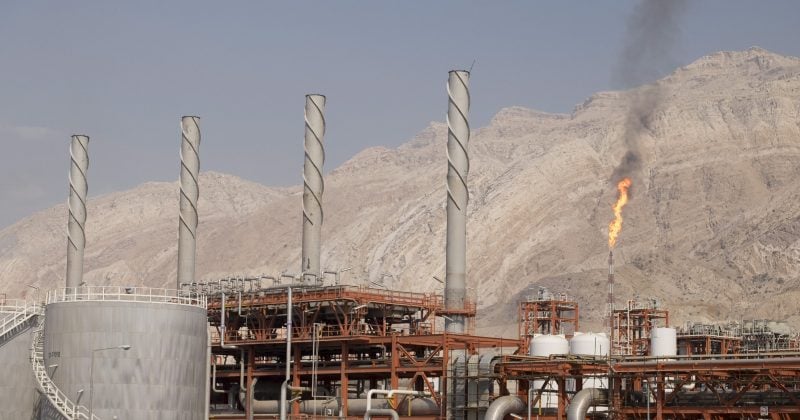
Global oil markets face heightened price spike risk as Iran conflict reignites

Global oil markets face heightened price spike risk as Iran conflict reignites

The collapse of a fragile ceasefire has pushed Brent crude volatility back into focus, with analysts warning of sustained prices above $100 per barrel.

Renewed US military strikes in July have sent oil traders scrambling to reprice risk across global energy markets, reviving memories of March’s historic price shock.

Oil markets have been on a rollercoaster since late February, when the US-Israel coalition’s escalation turned simmering tensions into open conflict. The Strait of Hormuz, that narrow chokepoint through which roughly a fifth of the world’s oil supply passes daily, became the epicenter of the crisis.

The biggest energy security challenge in history

When the Strait of Hormuz effectively closed on March 4, Brent crude prices surged more than 55% from pre-war levels of approximately $72 per barrel, rocketing to highs between $119 and $120 before the initial panic subsided.

Advertisement

The International Energy Agency called it the “greatest global energy security challenge in history.”

Partial recoveries in tanker flow through the strait eventually brought prices back toward a range of $70 to $82 by July.

What the numbers actually say

A Reuters poll conducted in March showed analysts ratcheting up their 2026 Brent price forecasts to an average of $82.85 per barrel, up from a prior estimate of $63.85. That’s a near 30% revision.

If sustained military action chokes off tanker operations more aggressively, analysts project prices could push well above $100 per barrel and stay there.

Inflation fears and the ripple effects

Analysts expect the conflict to add roughly 0.8% to global inflation.

One area that has not seen significant impact is the crypto market. Analysis of the crisis period has shown minimal correlation between oil price spikes and digital asset movements. Bitcoin and other major tokens have largely traded on their own dynamics through the conflict.

Disclosure: This article was edited by Editorial Team. For more information on how we create and review content, see our Editorial Policy.

Global oil markets face heightened price spike risk as Iran conflict reignites

Global oil markets face heightened price spike risk as Iran conflict reignites

The collapse of a fragile ceasefire has pushed Brent crude volatility back into focus, with analysts warning of sustained prices above $100 per barrel.

Renewed US military strikes in July have sent oil traders scrambling to reprice risk across global energy markets, reviving memories of March’s historic price shock.

Oil markets have been on a rollercoaster since late February, when the US-Israel coalition’s escalation turned simmering tensions into open conflict. The Strait of Hormuz, that narrow chokepoint through which roughly a fifth of the world’s oil supply passes daily, became the epicenter of the crisis.

The biggest energy security challenge in history

When the Strait of Hormuz effectively closed on March 4, Brent crude prices surged more than 55% from pre-war levels of approximately $72 per barrel, rocketing to highs between $119 and $120 before the initial panic subsided.

Advertisement

The International Energy Agency called it the “greatest global energy security challenge in history.”

Partial recoveries in tanker flow through the strait eventually brought prices back toward a range of $70 to $82 by July.

What the numbers actually say

A Reuters poll conducted in March showed analysts ratcheting up their 2026 Brent price forecasts to an average of $82.85 per barrel, up from a prior estimate of $63.85. That’s a near 30% revision.

If sustained military action chokes off tanker operations more aggressively, analysts project prices could push well above $100 per barrel and stay there.

Inflation fears and the ripple effects

Analysts expect the conflict to add roughly 0.8% to global inflation.

One area that has not seen significant impact is the crypto market. Analysis of the crisis period has shown minimal correlation between oil price spikes and digital asset movements. Bitcoin and other major tokens have largely traded on their own dynamics through the conflict.

Disclosure: This article was edited by Editorial Team. For more information on how we create and review content, see our Editorial Policy.