
Oil prices drop as Iran offers to reopen Strait of Hormuz if US lifts blockade

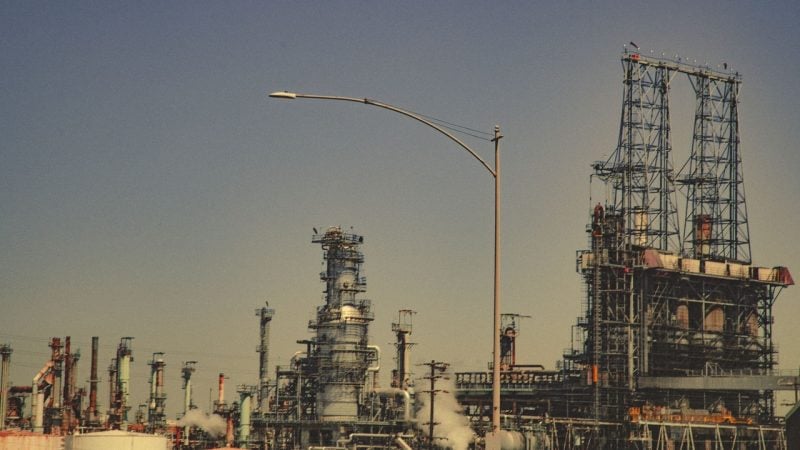
Photo: Ali Mucci / Pexels

Oil prices drop as Iran offers to reopen Strait of Hormuz if US lifts blockade

Iran's conditional proposal to restore traffic through the world's most critical oil chokepoint sent crude futures sliding, but traders aren't popping champagne yet

Brent crude futures fell to $99.45 per barrel on September 22, dipping below the psychologically important $100 mark for the first time in weeks after Iran signaled willingness to reopen the Strait of Hormuz within seven days. The catch: the US has to lift its naval blockade on Iranian ports first.

The proposal, reportedly endorsed by Supreme Leader Mojtaba Khamenei and relayed through intermediaries, arrived while Iranian officials were in New York for the UN General Assembly.

What the Strait of Hormuz actually means for oil

If you want to understand why a narrow waterway between Iran and Oman moves global markets, consider one number: roughly one-fifth of the world’s oil supply passes through it on any given day under normal conditions.

Advertisement

Normal conditions have been in short supply since late February 2026. Escalating military engagements between the US, Iran, and Israel transformed the strait from a busy shipping lane into something closer to a no-go zone. On some of the worst days, vessel traffic dropped to between 13 and 30 ships, a fraction of what would typically be expected for a corridor that handles the majority of regional oil exports.

The disruptions sent crude prices soaring above $120 per barrel earlier this year. US Energy Secretary Chris Wright has noted that oil flows have partially recovered to around two-thirds of pre-conflict levels. Prices have been hovering around or above $100 per barrel for months.

The diplomatic calculus

The UN General Assembly setting matters here. Iran choosing this moment to float a concrete, time-bound proposal—seven days to reopen the strait—suggests a desire to test whether Washington has any appetite for reciprocal de-escalation.

Washington’s response will likely hinge on whether the administration views the offer as a genuine opening or a tactical maneuver designed to relieve economic pressure on Tehran without meaningful concessions on broader security concerns. The naval blockade wasn’t imposed in a vacuum. It was a response to what US officials characterized as Iranian threats to commercial shipping and regional stability.

What markets are pricing in

The more than 2% intraday decline in oil prices tells a clear story: traders want to believe this could work. But the Brent close at $99.45, representing a 0.89% drop, was notably less dramatic than the intraday moves. That gap between the initial sell-off and where prices settled suggests the market is hedging its optimism.

Disclosure: This article was edited by Editorial Team. For more information on how we create and review content, see our Editorial Policy.
Oil prices drop as Iran offers to reopen Strait of Hormuz if US lifts blockade

Iran's conditional proposal to restore traffic through the world's most critical oil chokepoint sent crude futures sliding, but traders aren't popping champagne yet

Photo: Ali Mucci / Pexels

Brent crude futures fell to $99.45 per barrel on September 22, dipping below the psychologically important $100 mark for the first time in weeks after Iran signaled willingness to reopen the Strait of Hormuz within seven days. The catch: the US has to lift its naval blockade on Iranian ports first.

The proposal, reportedly endorsed by Supreme Leader Mojtaba Khamenei and relayed through intermediaries, arrived while Iranian officials were in New York for the UN General Assembly.

What the Strait of Hormuz actually means for oil

If you want to understand why a narrow waterway between Iran and Oman moves global markets, consider one number: roughly one-fifth of the world’s oil supply passes through it on any given day under normal conditions.

Advertisement

Normal conditions have been in short supply since late February 2026. Escalating military engagements between the US, Iran, and Israel transformed the strait from a busy shipping lane into something closer to a no-go zone. On some of the worst days, vessel traffic dropped to between 13 and 30 ships, a fraction of what would typically be expected for a corridor that handles the majority of regional oil exports.

The disruptions sent crude prices soaring above $120 per barrel earlier this year. US Energy Secretary Chris Wright has noted that oil flows have partially recovered to around two-thirds of pre-conflict levels. Prices have been hovering around or above $100 per barrel for months.

The diplomatic calculus

The UN General Assembly setting matters here. Iran choosing this moment to float a concrete, time-bound proposal—seven days to reopen the strait—suggests a desire to test whether Washington has any appetite for reciprocal de-escalation.

Washington’s response will likely hinge on whether the administration views the offer as a genuine opening or a tactical maneuver designed to relieve economic pressure on Tehran without meaningful concessions on broader security concerns. The naval blockade wasn’t imposed in a vacuum. It was a response to what US officials characterized as Iranian threats to commercial shipping and regional stability.

What markets are pricing in

The more than 2% intraday decline in oil prices tells a clear story: traders want to believe this could work. But the Brent close at $99.45, representing a 0.89% drop, was notably less dramatic than the intraday moves. That gap between the initial sell-off and where prices settled suggests the market is hedging its optimism.

Disclosure: This article was edited by Editorial Team. For more information on how we create and review content, see our Editorial Policy.