
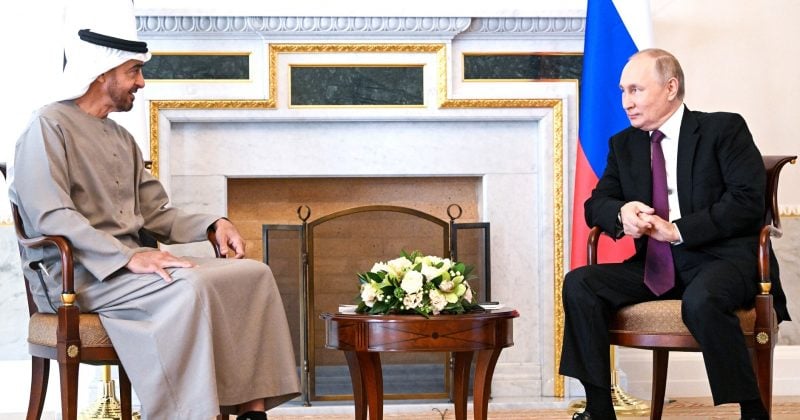
Photo: Presidential Executive Office of Russia / Wikimedia Commons / CC BY 4.0 (https://creativecommons.org/licenses/by/4.0)
OPEC+ plans September quota increase followed by three-month pause
The oil cartel will finalize a 188,000 barrel-per-day production boost on August 2 before hitting the brakes on further hikes through year-end.
OPEC+ is set to approve a modest bump in oil output for September, then do something it rarely does well: nothing. The group’s seven core members will meet virtually on August 2 to sign off on a 188,000 barrel-per-day increase, followed by a deliberate freeze on any further quota adjustments for at least three months.
The September increase represents the final piece of a much larger puzzle. OPEC+ has been slowly unwinding 1.65 million bpd in voluntary cuts that were first agreed upon back in 2023. This is the last slice.
After September’s quota bump takes effect, OPEC+ plans to keep roughly 2 million bpd in cuts firmly in place while it conducts an internal capacity review. The results of that review will shape new production targets expected to kick in starting January 2027.
No final agreements on 2027 quotas have been reached. The core producers involved in these discussions include Saudi Arabia, Russia, Iraq, Kuwait, Algeria, Kazakhstan, and Oman.
Geopolitics complicating the math
Escalating tensions between the US, Israel, and Iran have already constrained actual production increases, even though higher output targets were technically set for June, July, and August of this year.
Macro, rates, and crypto—what moved markets and what matters next.
Daily. Free. Join 34,000+ readers across crypto, finance, and policy.
The UAE’s exit from OPEC in May 2026 added another wrinkle, requiring adjustments to the broader unwinding plan.
The 188,000 bpd increase itself is relatively modest in the context of global oil consumption, which runs north of 100 million bpd.
Why crypto investors should care about oil quotas
Energy prices are one of the most significant input costs in the global economy. When oil moves, inflation expectations move with it, and inflation expectations are one of the primary drivers of central bank policy, which directly shapes the risk appetite that fuels crypto markets.
Energy costs also directly impact Bitcoin mining economics. Higher crude prices tend to lift electricity costs in regions that rely on fossil fuels for power generation.
What investors should watch is the capacity review itself. If OPEC+ concludes that its members have less spare capacity than previously assumed, the January 2027 targets could come in tighter than expected.