
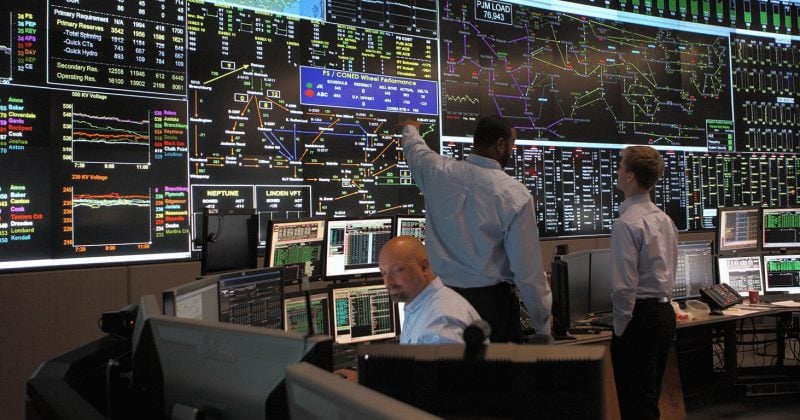
PJM Interconnection tells data centers to bring their own power or face blackouts

Via linkedin.com

PJM Interconnection tells data centers to bring their own power or face blackouts

The largest US power grid operator is forcing AI-hungry data centers to cover their own electricity costs, a move that could reshape how crypto miners and hyperscalers think about energy infrastructure.

The largest power grid in the US just told data centers something they probably didn’t want to hear: if you want to consume massive amounts of electricity, you’d better generate it yourself.

PJM Interconnection, which manages the electric grid across 13 states and the District of Columbia, serving roughly 65 million people, has rolled out a set of reforms designed to stop data centers from dumping their enormous energy costs onto everyday consumers. The plan, outlined in a January 16, 2026 directive from PJM’s Board, essentially creates a two-tier system: bring your own generation capacity, or accept the very real risk that your power gets cut during shortages.

The numbers behind the panic

Capacity auction prices have gone parabolic. In the 2024/2025 auction, prices sat at $28.92 per megawatt-day. For the 2026/2027 cycle, that figure exploded to $329.17 per megawatt-day. That’s more than a 10x increase in just two years.

Advertisement

AI-linked data centers are consuming electricity at a pace that grid planners never anticipated. These facilities are projected to pile tens of billions of dollars in additional system costs onto PJM’s network through the late 2020s. Without intervention, those costs would flow directly into the electricity bills of households and small businesses across PJM’s footprint.

The 2027/2028 Base Residual Auction cleared 5.6% below the target reserve margin.

Bring your own power, literally

PJM’s solution has a name that sounds like a potluck dinner invitation: “Bring Your Own New Generation,” or BYONG. Under this framework, any facility adding 50 MW or more of load at a single point of interconnection must either supply its own incremental generation or accept curtailment risk.

The BYONG initiative includes an expedited interconnection track targeted for August 2026.

Alongside BYONG sits a “Connect and Manage” framework. During grid shortages, facilities that haven’t brought their own generation get curtailed first.

These reforms emerged from extensive stakeholder discussions throughout late 2025 and carry backing from both the Trump administration and governors across PJM’s territory.

Disclosure: This article was edited by Editorial Team. For more information on how we create and review content, see our Editorial Policy.

PJM Interconnection tells data centers to bring their own power or face blackouts

PJM Interconnection tells data centers to bring their own power or face blackouts

The largest US power grid operator is forcing AI-hungry data centers to cover their own electricity costs, a move that could reshape how crypto miners and hyperscalers think about energy infrastructure.

Via linkedin.com

The largest power grid in the US just told data centers something they probably didn’t want to hear: if you want to consume massive amounts of electricity, you’d better generate it yourself.

PJM Interconnection, which manages the electric grid across 13 states and the District of Columbia, serving roughly 65 million people, has rolled out a set of reforms designed to stop data centers from dumping their enormous energy costs onto everyday consumers. The plan, outlined in a January 16, 2026 directive from PJM’s Board, essentially creates a two-tier system: bring your own generation capacity, or accept the very real risk that your power gets cut during shortages.

The numbers behind the panic

Capacity auction prices have gone parabolic. In the 2024/2025 auction, prices sat at $28.92 per megawatt-day. For the 2026/2027 cycle, that figure exploded to $329.17 per megawatt-day. That’s more than a 10x increase in just two years.

Advertisement

AI-linked data centers are consuming electricity at a pace that grid planners never anticipated. These facilities are projected to pile tens of billions of dollars in additional system costs onto PJM’s network through the late 2020s. Without intervention, those costs would flow directly into the electricity bills of households and small businesses across PJM’s footprint.

The 2027/2028 Base Residual Auction cleared 5.6% below the target reserve margin.

Bring your own power, literally

PJM’s solution has a name that sounds like a potluck dinner invitation: “Bring Your Own New Generation,” or BYONG. Under this framework, any facility adding 50 MW or more of load at a single point of interconnection must either supply its own incremental generation or accept curtailment risk.

The BYONG initiative includes an expedited interconnection track targeted for August 2026.

Alongside BYONG sits a “Connect and Manage” framework. During grid shortages, facilities that haven’t brought their own generation get curtailed first.

These reforms emerged from extensive stakeholder discussions throughout late 2025 and carry backing from both the Trump administration and governors across PJM’s territory.

Disclosure: This article was edited by Editorial Team. For more information on how we create and review content, see our Editorial Policy.