
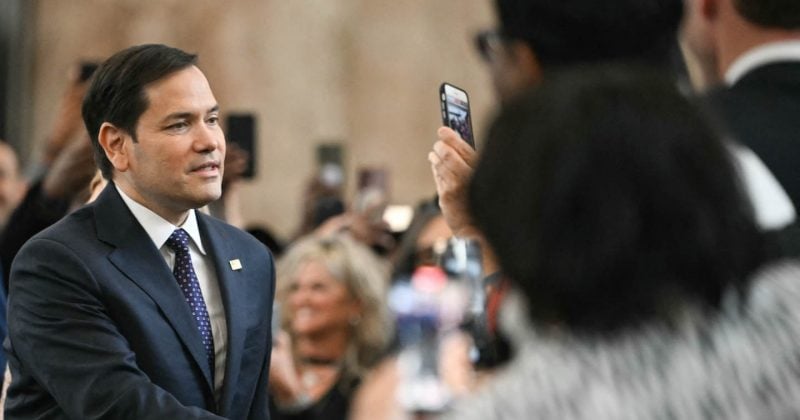
Rubio and Wang Yi meet in Manila to prep for Xi Jinping’s US visit, and crypto wasn’t even on the agenda
The highest-level US-China diplomatic meeting of 2026 focused entirely on traditional trade and security, leaving digital asset policy in limbo for both superpowers
US Secretary of State Marco Rubio sat down with Chinese Foreign Minister Wang Yi on July 22 in Manila, Philippines, to lay the groundwork for Chinese President Xi Jinping’s visit to the United States in September. The talks, held on the sidelines of the ASEAN foreign ministers’ meetings, were described as constructive by Rubio, with both sides focused on creating a favorable environment for the summit.
What actually happened in Manila
The two officials spoke by phone on June 30 to maintain open communication channels, and this face-to-face session in Manila was designed to move the needle on specific deliverables ahead of Xi’s September arrival.
Rubio’s focus centered on advancing trade and investment mechanisms, including potential bilateral trade boards and cooperative economic frameworks. US-China tensions over trade disputes and South China Sea security issues continue to simmer. US President Donald Trump has acknowledged the planned summit while continuing to address friction points with Beijing.
Why crypto markets should pay attention to what wasn’t said
The US and China are the two most consequential regulatory environments for crypto on the planet. The US has been wrestling with how to classify and oversee digital assets through a patchwork of SEC actions, Congressional bills, and executive orders. China banned crypto trading and mining in 2021 but has aggressively pursued its digital yuan central bank digital currency.
The news moving money, markets, and the world—before your day starts.
Daily. Free. Join 34,000+ readers across crypto, finance, and policy.
When these two countries sit down and crypto doesn’t make the agenda, it suggests that neither government views digital asset policy as a near-term priority in the bilateral relationship.
The macro angle investors can’t ignore
Rubio’s emphasis on developing specific trade and investment mechanisms before Xi’s visit suggests both sides want concrete outcomes. Notably absent from any discussions or official remarks were topics related to cryptocurrencies, blockchain technology, or digital assets, underscoring a focus purely on traditional diplomacy and economic relations.