
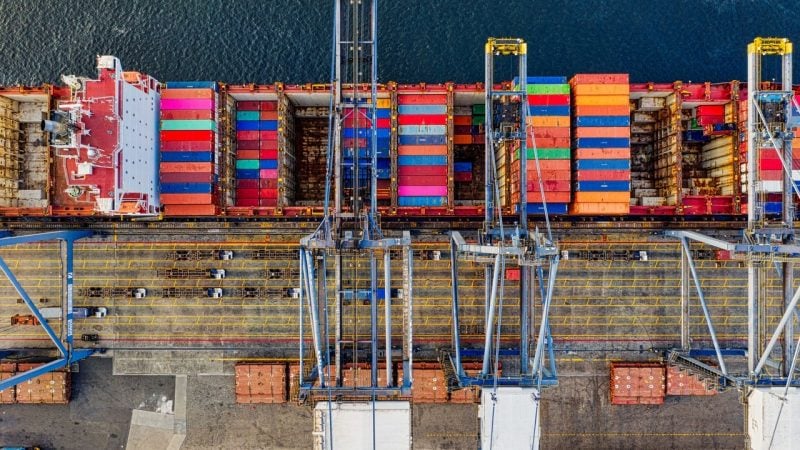
Photo: Tom Fisk / Pexels
Russia trims 2026 natural gas production forecast to 688.4 bcm
Moscow's revised energy outlook reveals a country trying to reroute its most important export while the clock ticks on Europe's full phase-out of Russian gas.
Russia’s Ministry of Economic Development has quietly trimmed its 2026 natural gas production forecast to 688.4 billion cubic meters, a 0.3% reduction from the previous estimate of 690.4 bcm.
The updated socio-economic development forecast paints a complicated picture for the world’s largest natural gas exporter. Pipeline gas export projections were actually revised upward by 1.3% to 115.5 bcm, from 114 bcm previously. And the LNG export forecast held steady at 40.3 million tons.
The numbers behind the narrative
Russia’s actual natural gas production in 2025 came in at 662.7 bcm. The 2026 forecast of 688.4 bcm would represent a meaningful year-over-year increase, suggesting that domestic and near-market demand remains healthy enough to keep wells pumping.
LNG exports tell a similar story of ambition. The 40.3 million ton target for 2026 would be a significant jump from the 30.3 million tons Russia actually produced in 2025. Moscow is also eyeing 46.9 million tons by 2027.
Average contract prices for gas exports to distant markets were revised upward to $336.3 per 1,000 cubic meters, compared to the earlier estimate of $308.4.
Macro, rates, and crypto—what moved markets and what matters next.
Daily. Free. Join 34,000+ readers across crypto, finance, and policy.
But there’s a catch. Gas prices for deliveries to China are projected to fall by more than 7% compared to previous outlooks.
Europe’s exit and the logistics problem
EU legislation mandates a full phase-out of Russian LNG imports by January 2027, with pipeline gas following by late that same year.
Logistics costs for rerouting LNG shipments to Asian markets have approximately doubled since the wave of sanctions that followed 2022. Longer shipping routes, fewer available ice-class tankers, and the need to avoid sanctioned infrastructure all add up.
The Arctic LNG 2 project, which was supposed to be Russia’s crown jewel for expanding LNG capacity, has been particularly affected. Western sanctions have restricted access to critical technology and equipment, slowing development timelines and raising costs.
Early 2026 production data showed some resilience, partly driven by weather-related demand spikes.