
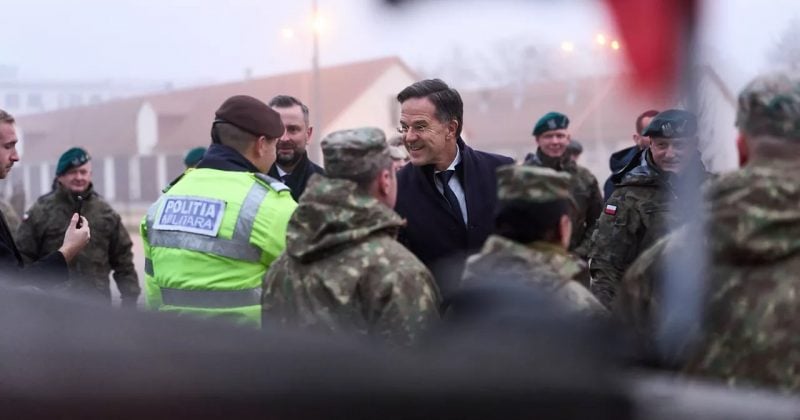
Via nato.int
Russian missile likely crashed in Poland, raising NATO escalation fears and rattling European markets
A suspected Kh-101 cruise missile breached Polish airspace during a coordinated Russian attack on Ukraine, marking a significant escalation from prior drone incursions.
A Russian cruise missile probably crashed in eastern Poland early Thursday morning, according to Polish Prime Minister Donald Tusk. If confirmed, this would represent the most serious violation of NATO territory since Russia’s full-scale invasion of Ukraine began, and a meaningful escalation from previous airspace breaches involving unmanned drones.
The suspected Kh-101 cruise missile came down in Lublin Voivodeship, roughly 90 to 100 kilometers from the Ukrainian border, during a coordinated Russian missile offensive targeting western Ukraine. That same attack reportedly killed at least eight people inside Ukraine.
What happened and why it matters
Polish police and counter-terrorism units were deployed to secure the crash site. NATO commanders were informed of the incident. Tusk confirmed that initial indications pointed toward Russian origin but emphasized the need for conclusive evidence before making definitive statements.
In September 2025, a flurry of drones, estimated between 19 and 23, entered Polish airspace during a similar Russian bombardment of Ukraine. That incident triggered Article 4 consultations with NATO, the formal mechanism for allies to discuss security threats to their territory.
Tusk has previously warned about “critical months ahead” as tensions in the region continue to build. Poland has been fortifying its military readiness, collaborating with NATO allies, and planning joint exercises with France and the UK.
The news moving money, markets, and the world—before your day starts.
Daily. Free. Join 34,000+ readers across crypto, finance, and policy.
What investors should watch
The next 48 to 72 hours are critical for determining whether this incident remains a diplomatic crisis or becomes something more. Three variables matter most.
First, NATO’s formal response. Article 4 consultations are likely at minimum. Any movement toward Article 5 language, even in unofficial channels, would represent an unprecedented escalation.
Second, Russia’s official stance. Moscow’s response to previous airspace violations has ranged from denial to dismissive acknowledgment.
Third, Poland’s military posture. Tusk’s government has been steadily increasing defense spending and deepening integration with NATO’s eastern flank strategy.
Tusk’s measured language, calling the missile “probable” rather than confirmed, suggests Poland is leaving diplomatic room to manage the situation without forcing an immediate military response.